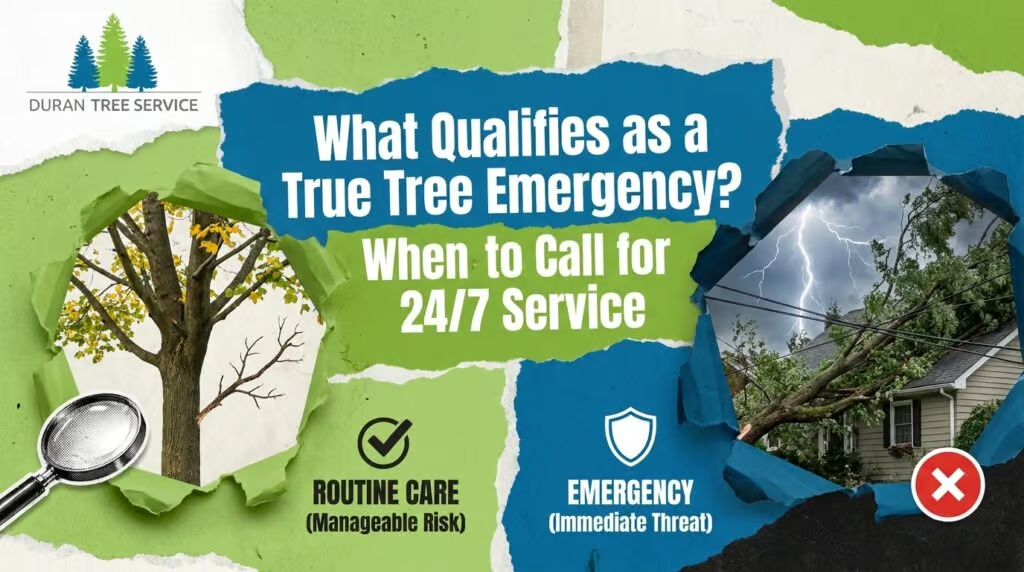
A tree with yellow leaves, minor deadwood, or a localized fungal spot is usually a manageable arboricultural issue, not an emergency. A true tree emergency is different: it means structural failure has already happened, is actively under way, or is so imminent that the tree or a large part of it could strike a person, building, vehicle, or utility line within hours. The key test is immediate risk combined with a target—a structure, a driveway, a fence, or a pedestrian area that can be harmed.
Our crews regularly see calls that turn out to be routine prune jobs, and that is fine. The problem is when a significant failure gets misread as low risk. We are going to walk through the specific conditions that justify calling for 24/7 emergency service, and when a next-day visit is often enough.
What Constitutes a True Tree Emergency?
A true tree emergency is any situation where a tree or large limb poses an immediate threat to life, health, or property, and waiting until regular business hours could raise the chance of injury or further damage. The emergency label is not about tree size or species; it is about failure potential and exposure. If an 80-foot tree splits in a remote woodland with no targets nearby, it is a forest event, not a property emergency. If the same crack develops over a bedroom, it becomes an urgent structural hazard.
Safety and Structural Criteria
We look for signs of structural failure that are fresh, active, or rapidly developing. These include:
- Deep vertical cracks in the trunk or main stems
- Freshly lifted or cracked soil around the root flare, indicating root plate movement
- Visible snapped structural roots on the tension side of a lean
- Split unions where codominant stems are opening up
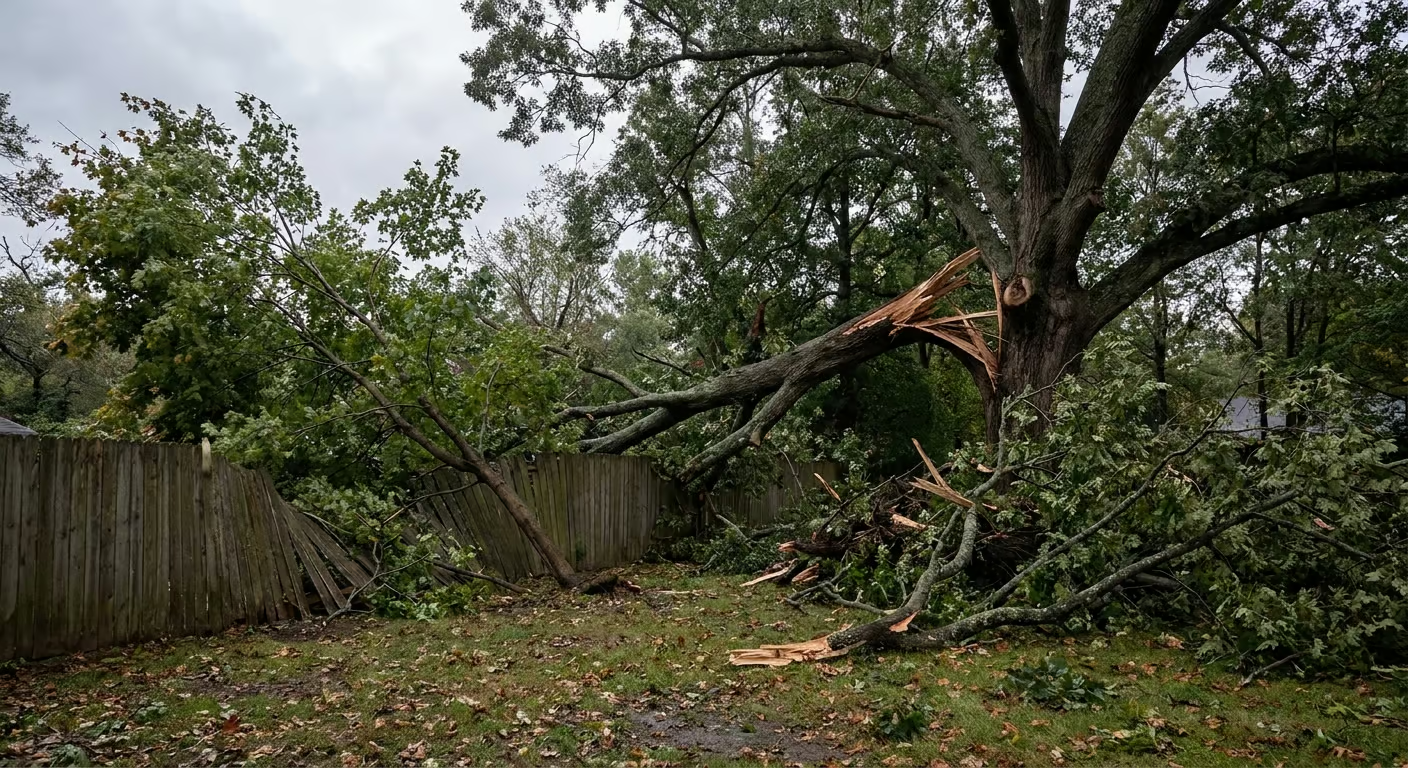
- Large broken limbs still attached or hung up overhead
Any one of these can make a tree unpredictable. What often makes the difference between routine and emergency work is the speed of change. A tree that leaned noticeably overnight or after a storm is far more urgent than one that has grown at an angle for decades.
Location and Target Assessment
Structural failure alone does not create an emergency. There has to be a target within the fall zone. A target can be a house, garage, deck, fence, vehicle, power line, public sidewalk, or a frequently used seating area. We assess both the likely direction of failure and the value and occupancy of what lies in that path. A cracked leader over a high-traffic walkway is an emergency because the probability of hitting someone is high. The same crack over a seldom-used corner of a large yard may still need prompt attention, but it does not always demand a 2 a.m. response.
Common True Tree Emergency Scenarios
In our experience, most true emergency calls fall into a small number of patterns. Recognizing these can help you decide whether to make the call immediately or wait for a scheduled visit.
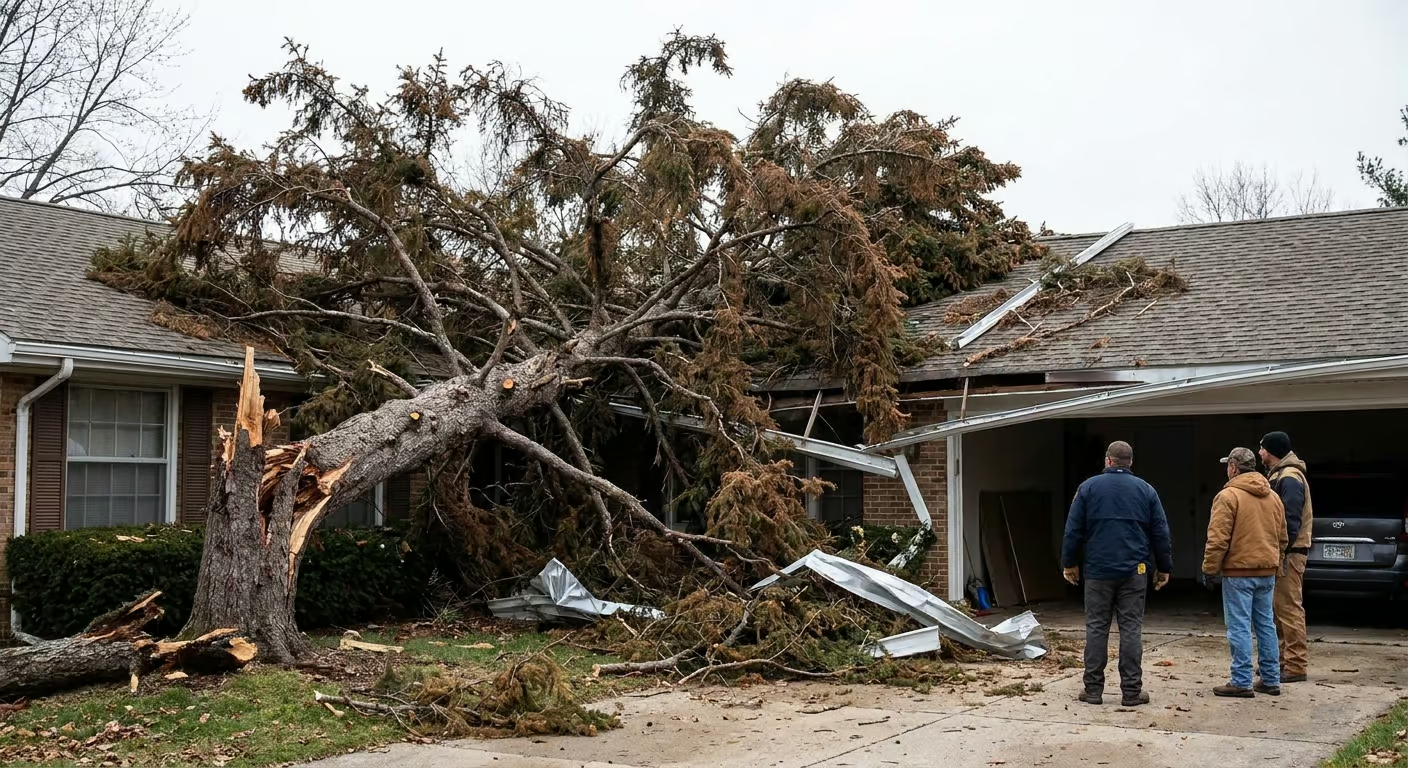
Fallen Tree or Large Branch on a Structure
A tree or heavy limb on a roof, garage, deck, or vehicle is the clearest emergency. The load is not static. Wood can shift, roll, or settle as the structure underneath deforms. Branches pinned under the trunk can be under stored tension and snap violently if cut without rigging. We treat every structure-contact call as high priority because secondary water damage and structural collapse can follow quickly.
Sudden Leaning or Uprooted Trees
A tree that has recently begun to lean, especially after rain or wind, often indicates root failure. Look for soil heaving, lifted root plate, or a visible gap between the base of the trunk and the ground. An uprooted tree is an active hazard; it can fall the rest of the way without warning. We consider a newly leaning tree over a structure or occupied area a true emergency.
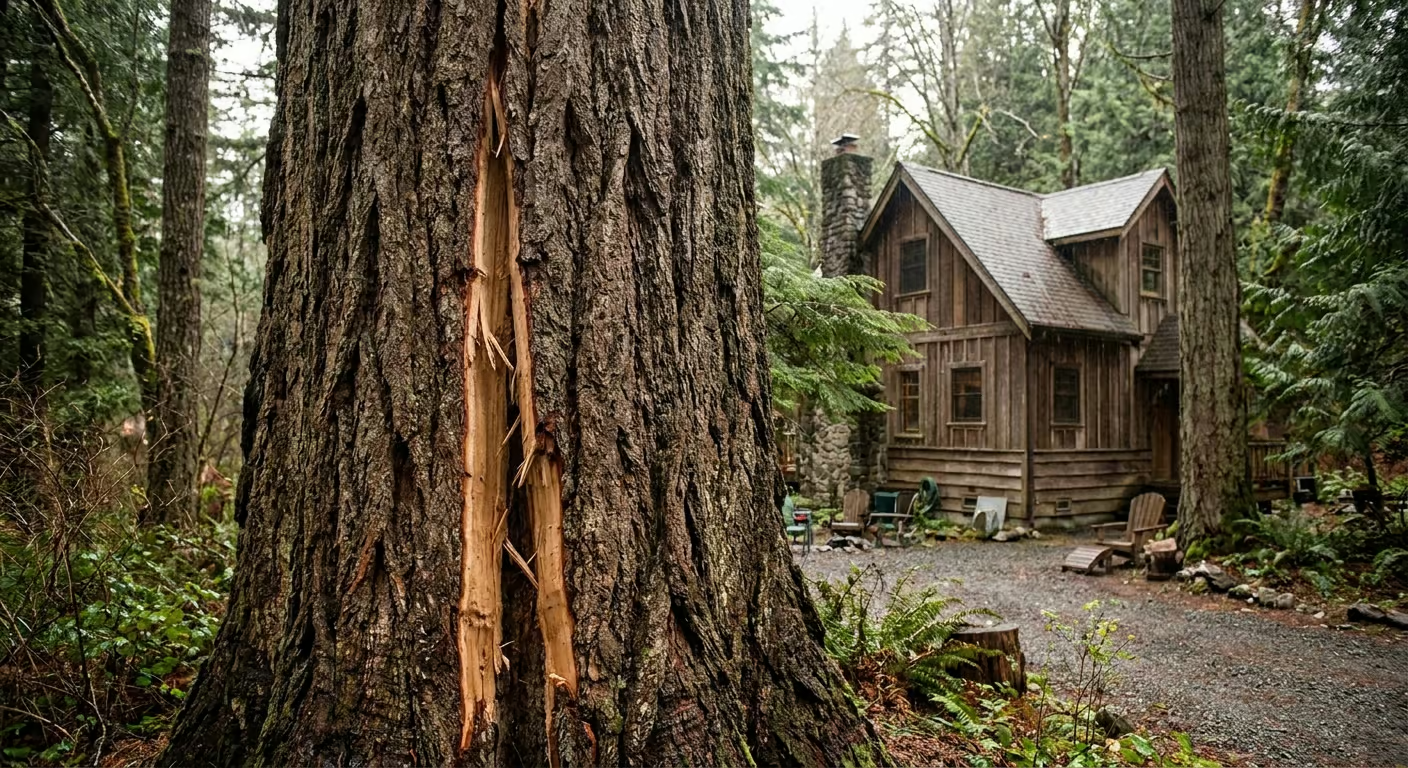
Cracked Trunk or Split Union
A deep vertical crack, or a codominant union that is peeling apart, means the tree is no longer able to support its own canopy. This is especially urgent when the crack is fresh, the split is progressing, or the canopy is large and heavily loaded. Even a healthy-looking crown does not matter if the main stem is compromised.
Suspended Broken Branches
Large broken limbs still hanging in the canopy—sometimes called hangers or widowmakers—can drop hours or even days after the initial break. They are one of the most common storm-related hazards because they are easy to miss from the ground. Any branch too heavy to move safely by hand and suspended over a target should be treated as an emergency.
Trees Contacting Power Lines
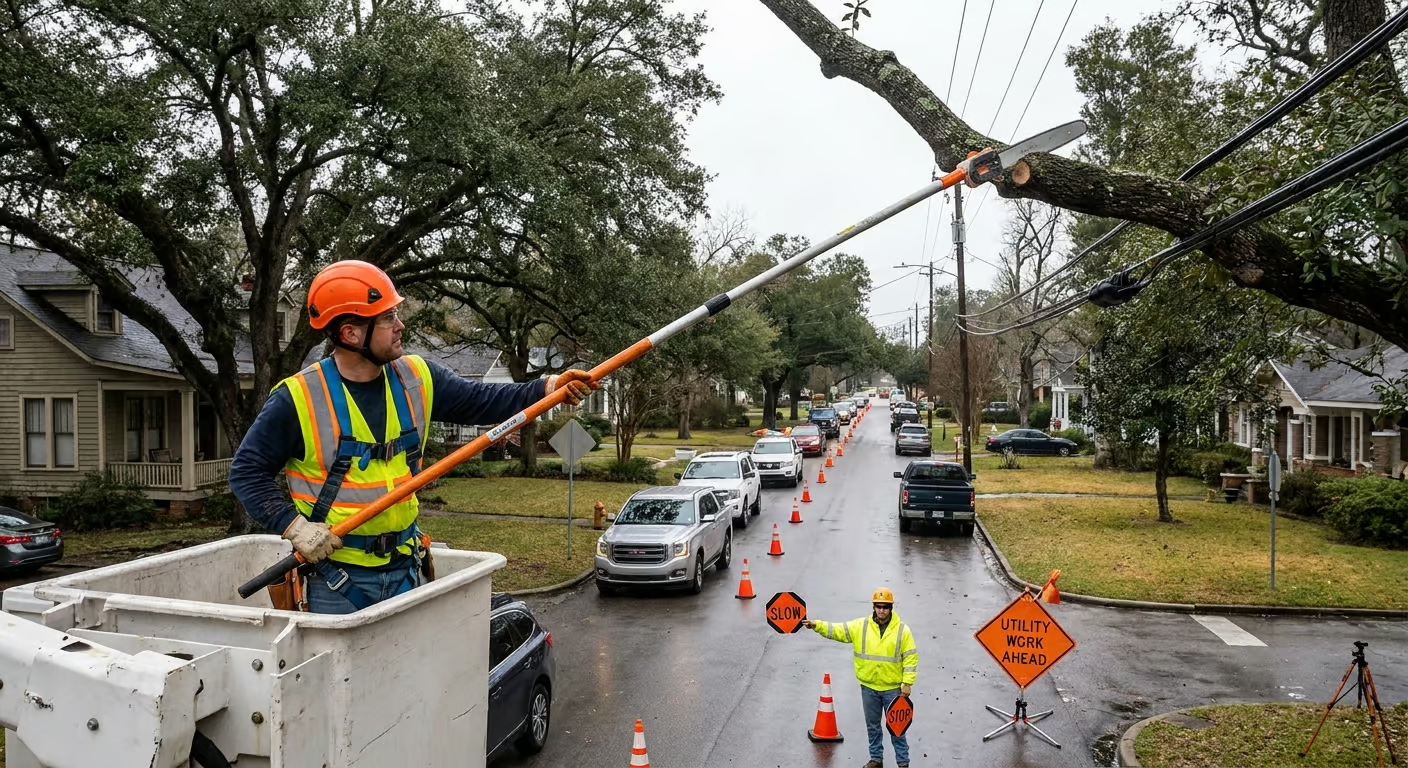
Any tree or branch touching an energized line creates a dangerous electrical hazard. Do not approach the tree, and never try to remove the limb. Call the utility provider first, then a tree service with experience in utility clearances. We do not begin work near energized lines until the utility has de-energized or cleared the area.
The Role of Storm Damage in Tree Emergencies
Severe weather is the most common trigger for tree emergencies in our region. Wind throws trees with weakened root systems, heavy snow and ice overload canopies, and saturated ground reduces root anchorage. A tree that appeared stable in dry weather can fail within hours during a storm. After a major weather event, we recommend walking your property to look for fresh cracks, lifted soil, broken limbs, and trees that were not leaning before.
Wind, Rain, and Snow Impacts
High winds create bending loads that expose existing defects and split weak unions. Heavy rain saturates the soil, making it easier for roots to slip and root plates to lift. Wet snow and ice add weight to the canopy, causing branch failure and sometimes trunk collapse. The sequence matters: rain followed by wind is a classic pattern for uprooted trees, because the ground loses strength just as the canopy experiences full wind load.
Immediate Steps to Take When a Tree Emergency Arises
When you spot a true emergency, your first job is to keep everyone safe. Do not inspect the tree closely, and do not turn your back on an unstable trunk or root plate. Move people and pets out of the fall zone, and shut off any part of the home that is directly threatened if it is safe to do so. Then call.
Ensuring Safety and Documenting
- Keep everyone at least 30 feet away from any tree touching a power line, and wait for the utility company.
- Take clear, timestamped photos from a safe distance before any work begins. These will help with insurance claims.
- Do not walk under broken branches or stand near the root plate of an uprooted tree. Root balls can snap back into place without warning.
- If a tree has hit your home, evacuate that part of the house and avoid areas where the roof or walls are visibly bowed.
Contacting Professionals
Call a tree service with 24/7 emergency response and describe what you see: a tree on a house, a sudden lean, a cracked trunk, or a branch in a power line. Be specific about the target and whether any lines are involved. That information helps the crew triage and bring the right equipment. We prioritize calls based on immediate risk to people and structures, not on call order.
With years of storm-response work behind us, we have handled hundreds of emergency removals and understand how quickly a compromised tree can shift.
Understanding Local Jurisdiction and Resources
Property owners are generally responsible for trees on their own land, including emergency removal when a hazardous tree threatens a neighboring property or public space. Municipalities often manage trees in the public right-of-way, but the rules vary, so check with your local bylaw office if you are unsure. What remains consistent is that a dangerous tree on private property needs private action.
Property Owner Responsibilities
If a tree on your property is visibly dangerous and damages a neighbor’s home, you may be held liable for failing to act. This is why we recommend post-storm inspections and prompt removal of hazards. Keep records of any tree work you have done, including photos, because documentation can be important if there is ever a claim or dispute.
Utility and Municipal Contacts
For trees near power lines, the utility company must be contacted first. They will de-energize the line or confirm it is safe to work near. For a downed municipal tree blocking a public road or sidewalk, call the local public works or bylaw office. We do not start work on a public tree without property owner approval.
Act Fast: When to Call for 24/7 Emergency Tree Service
If you are reading this after a storm and you see a tree on a structure, a fresh lean toward a target, a split trunk, a suspended large branch, or a tree in a power line, call a 24/7 tree service now. Do not wait until morning to see if it shifts. The longer an unstable tree sits, the more time it has to fail completely, causing more damage.
A true tree emergency is one where a failure is happening now or could happen within hours, and people or property are in the path. When in doubt, call and describe what you see. A professional can help you assess the urgency over the phone and dispatch a crew if needed. If the situation is safe enough to wait, we will tell you that too.
If you have a tree that has failed or is about to, contact us for immediate 24/7 emergency response.
Before arranging removal, check when a tree removal permit is required in your area to avoid delays.
Areas We Serve
When a tree issue affects a home or a busy space, nearby crews and clear coverage matter. The area pages below help you see where we work and route you to the right team for appropriate attention in your community.