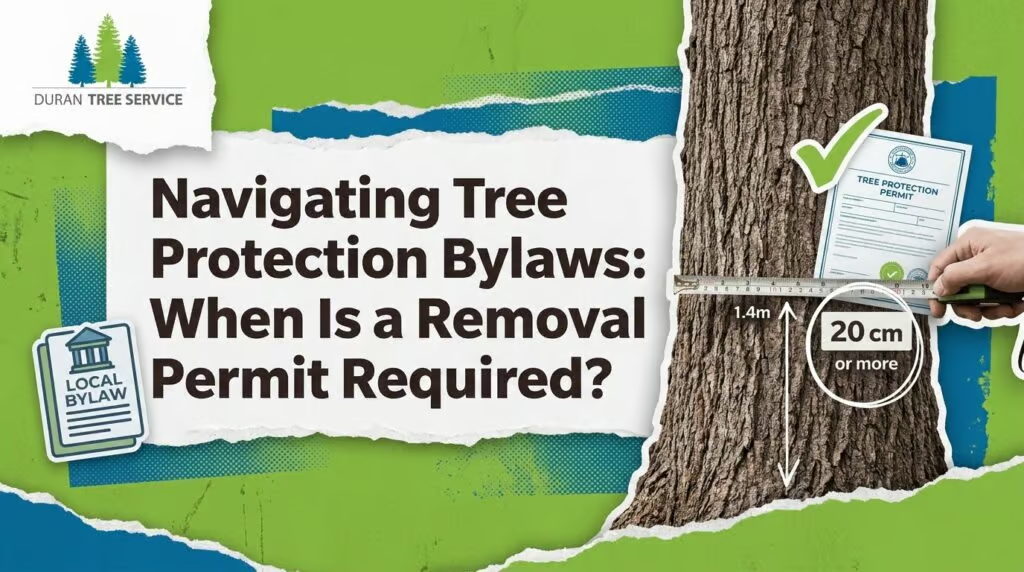
Before you remove any tree on private property, the most important question is whether the trunk meets the protected size threshold under your local tree protection bylaw. In most municipalities in this region, any tree with a diameter of 20 centimetres or more, measured at 1.4 metres above the ground (commonly called breast height), is automatically protected and requires a removal permit. This single measurement determines whether you need to go through a formal application or can proceed with the work.
Getting the answer wrong is expensive. Municipalities issue fines that can reach five figures per tree, and they can also require you to plant replacement trees or stop all work on your property. Our goal in this guide is to walk you through the legal framework, the measurement method, the exemptions, and the permit process so you can act with confidence and stay compliant.
The Legal Framework: An Overview of the Tree Protection Bylaw
The tree protection bylaw that applies to most private properties in this region was created to preserve the urban tree canopy. Its core requirement is simple: you need a permit to remove any tree on private property that has a diameter of 20 centimetres or greater at breast height. Trees smaller than that are generally exempt, unless they were planted as a condition of a previous permit or are part of an approved landscape plan for a new development.
The bylaw also protects certain special trees—such as heritage specimens or trees with cultural or ecological significance—regardless of size. Even pruning that removes more than a small percentage of the crown may be regulated. The urban forestry department issues permits, conducts inspections, and enforces penalties for violations.
We treat this bylaw as the minimum standard. Even when a tree falls just below the threshold, we still review its condition and location before recommending removal, because a healthy tree almost always has more value standing than on the ground.
Determining If a Tree Is Protected
Before you plan any removal, you need to determine whether the tree meets the protection criteria. The two main factors are trunk diameter and any special designation.
Diameter at Breast Height (DBH) Measurement
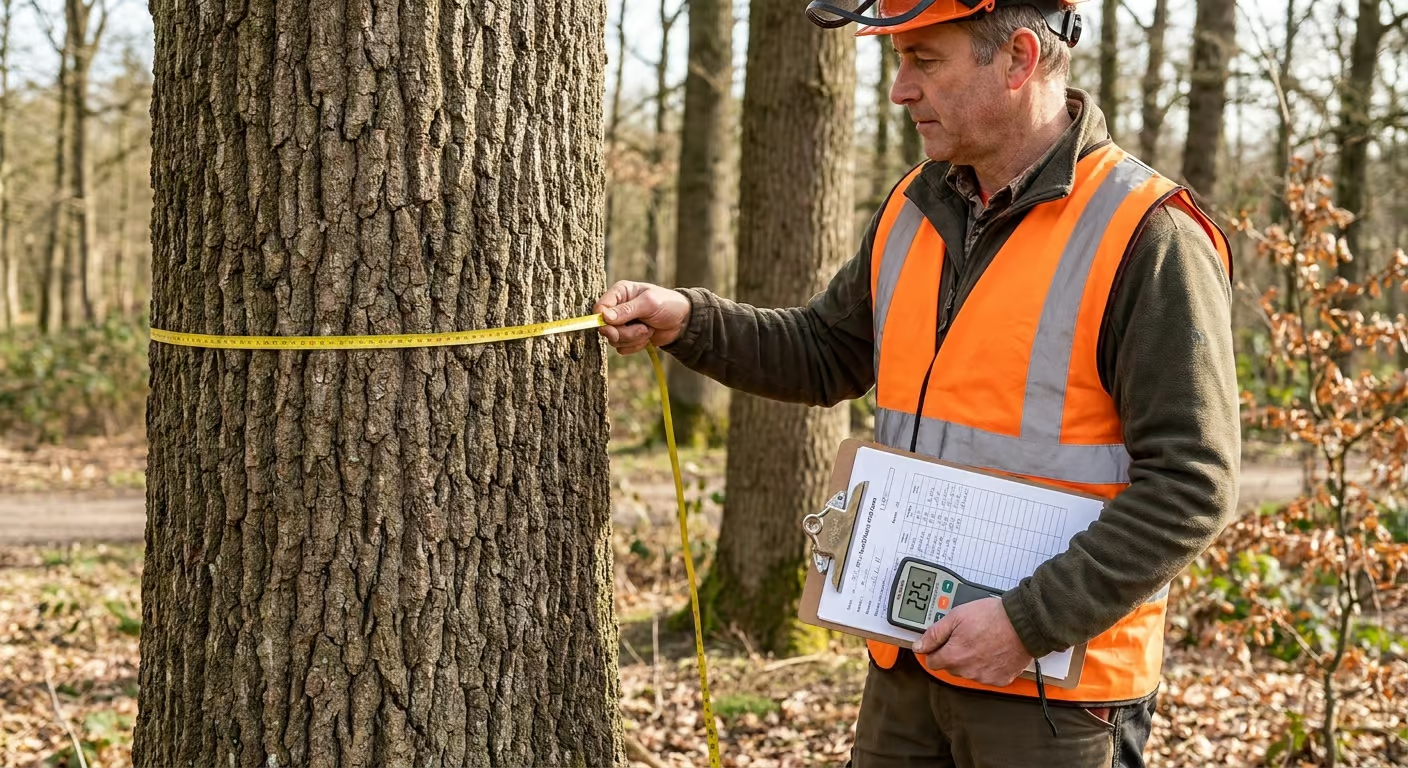
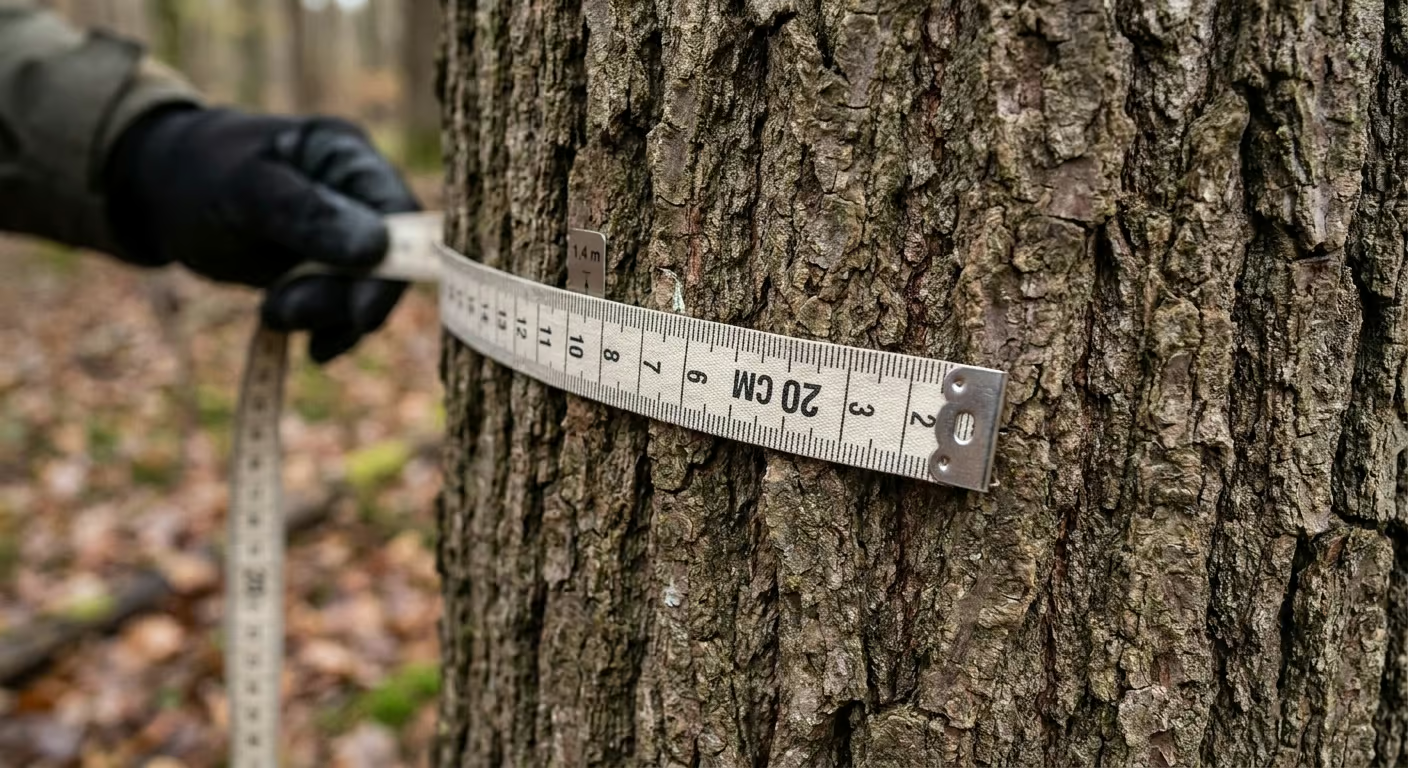
Measure the trunk at exactly 1.4 metres above the ground on the uphill side if the tree is on a slope. Use a flexible measuring tape to find the circumference, then divide by 3.1416 to get the diameter. For example, a tree with a circumference of 64 centimetres has a diameter of about 20 centimetres and is protected. If the trunk splits below 1.4 metres, measure each stem separately; the combined size may still put the tree over the threshold in some municipalities. Always check the specific local rule for multi-stem trees.
Special Species and Heritage Trees
Some trees are protected even if their diameter is below 20 centimetres. Heritage trees, trees listed in a municipal inventory, or trees that are part of a recorded landscape plan often require a permit regardless of size. Certain native species may also have additional protections. If you are unsure whether your tree falls into a special category, an ISA-certified arborist can check local records and give you a definitive answer before you apply.
Permit Exemptions: When Removal Is Allowed Without a Permit
Not every tree needs a full permit application. The most common exemption applies to trees that are dead, dying, or hazardous. However, this exemption is narrower than many property owners assume.
Dead, Dying, or Hazardous Trees
In most jurisdictions, a tree that is completely dead can be removed without a removal permit, but you still need to document its condition. A written assessment from an ISA-certified arborist, with dated photos and a clear statement that the tree is dead or poses an imminent risk, is the standard way to satisfy the city. Some municipalities require you to notify the urban forestry department before the removal or to keep the arborist report on file for a set period. Dying trees are trickier: if there is any chance the tree could recover, the city may still require a permit. Hazardous trees—those with a structural defect likely to fail—may also qualify, but you must be able to show that the hazard cannot be mitigated by pruning or cabling. We never recommend removing a tree under the dead/dying exemption without first getting a written arborist assessment, because if the city later disputes the condition, you will be treated as having removed a protected tree without a permit.

Permit Requirements by Property Type
The same size threshold applies across most property types, but the way you manage the permit process changes depending on who owns the land.
Single-Family Homes and Strata
For a single-family home, the owner is responsible for applying for the permit if the tree is 20 cm or larger. You will need to provide proof of ownership, a site plan, and an arborist report. For strata properties, the strata council usually makes the application on behalf of the owners, and the tree may be considered common property. We recommend getting a clear resolution or written direction from the strata before proceeding, because a single owner cannot approve removal of a common tree without going through the proper channels.
Development Sites
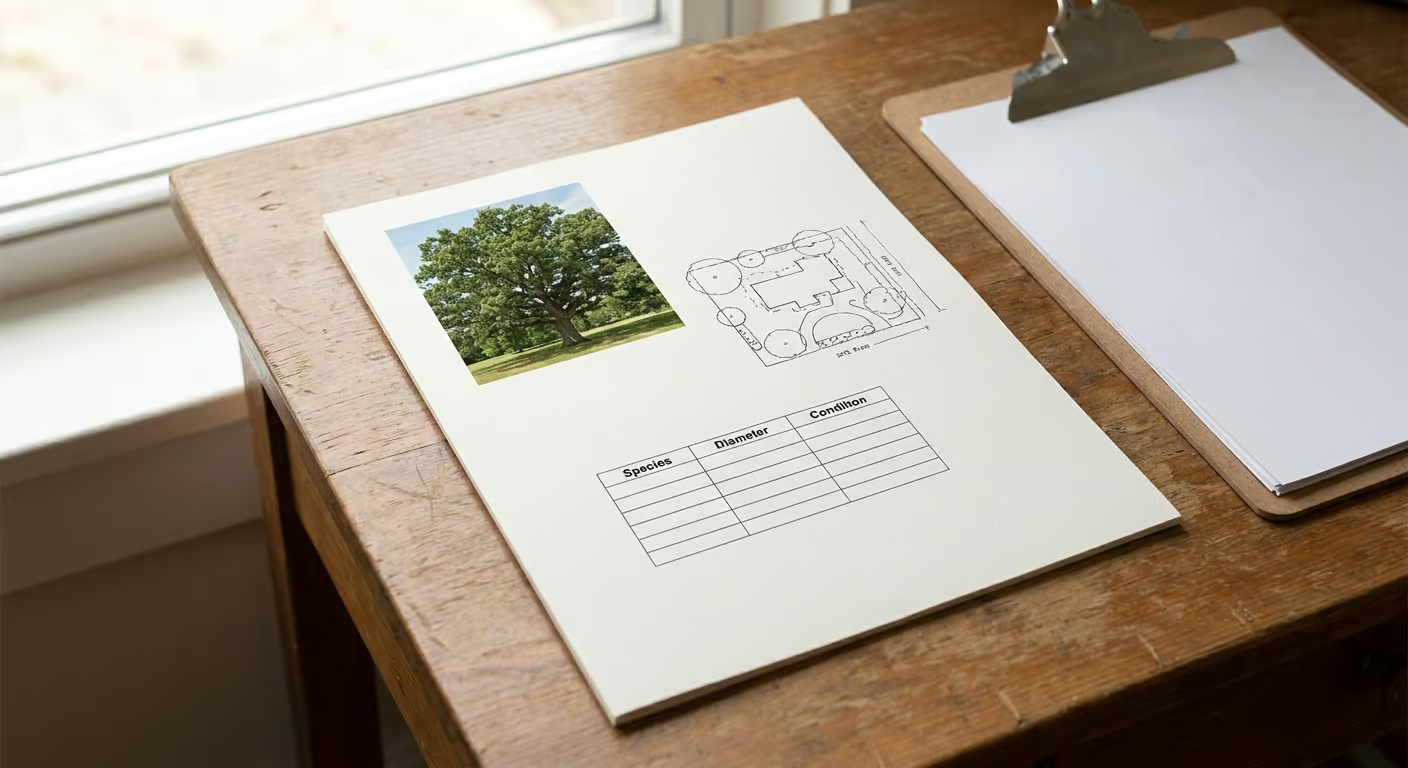
Development sites face stricter rules. Even trees below the standard size threshold may be protected if they are part of a previously approved landscape plan or if the property is subject to a development permit that includes tree retention requirements. Developers are typically required to submit a tree inventory prepared by an arborist, showing every tree on site with its species, size, health, and location. The city may require a tree protection plan that shows fencing around root zones during construction. Removing any tree on a development site before the permit is issued can delay the entire project.
How to Apply for a Tree Removal Permit
The application process is straightforward if you gather the right documents before you submit. In our experience, most delays come from incomplete arborist reports or missing photographs, not from the city’s review itself.
Required Documentation
- Site plan showing the tree’s exact location relative to buildings, property lines, and other trees.
- Tree details including species, trunk diameter at breast height, and current condition.
- Arborist report prepared by an ISA-certified arborist, with a clear recommendation and supporting photos.
- Property owner authorization if the applicant is not the registered owner.
- Reason for removal explaining why the tree cannot be preserved.
Once you submit the application to the urban forestry department, allow several weeks for review. If approved, the permit is usually valid for a limited time—often six months—and must be posted on site during the removal.
The Role of ISA-Certified Arborist Reports
The arborist report is the single most important document in your application. It should identify the tree, measure its diameter, assess its health and structural condition, and state whether removal is justified under the bylaw. The report also proposes a replacement planting plan, which the city may require as a condition of approval. We have handled hundreds of permitted removals, and we can tell you that a report with clear photos, a defensible rationale, and the correct formatting will move through review much faster than one that forces the reviewer to ask for more information.
Consequences of Non-Compliance: Penalties and Enforcement
Removing a protected tree without a permit is treated seriously. The city can issue fines, stop-work orders, and replacement requirements that far exceed the cost of simply following the process.
Fines for Unauthorized Removal
Penalties for unauthorized tree removal typically range from $1,000 to $20,000 per tree, depending on the tree’s size, species, and whether the removal was intentional. In addition to the fine, the city can require you to plant replacement trees of a specified size and number, and you may need to pay for their establishment. If the removed tree was heritage or otherwise significant, the penalties can be higher.
City Inspection Practices
Urban forestry inspectors can visit any property to check permit compliance, respond to neighbour complaints, and issue stop-work orders if they find unauthorized work. If a tree is being removed without a posted permit, inspectors have the authority to halt the job immediately and require the owner to submit a retroactive application. If the tree was already gone, the inspector may use aerial photos, stump measurements, and neighbour statements to determine its former size and species. This is why we always recommend applying first, even if you think the tree is exempt.
Replacement Tree Obligations
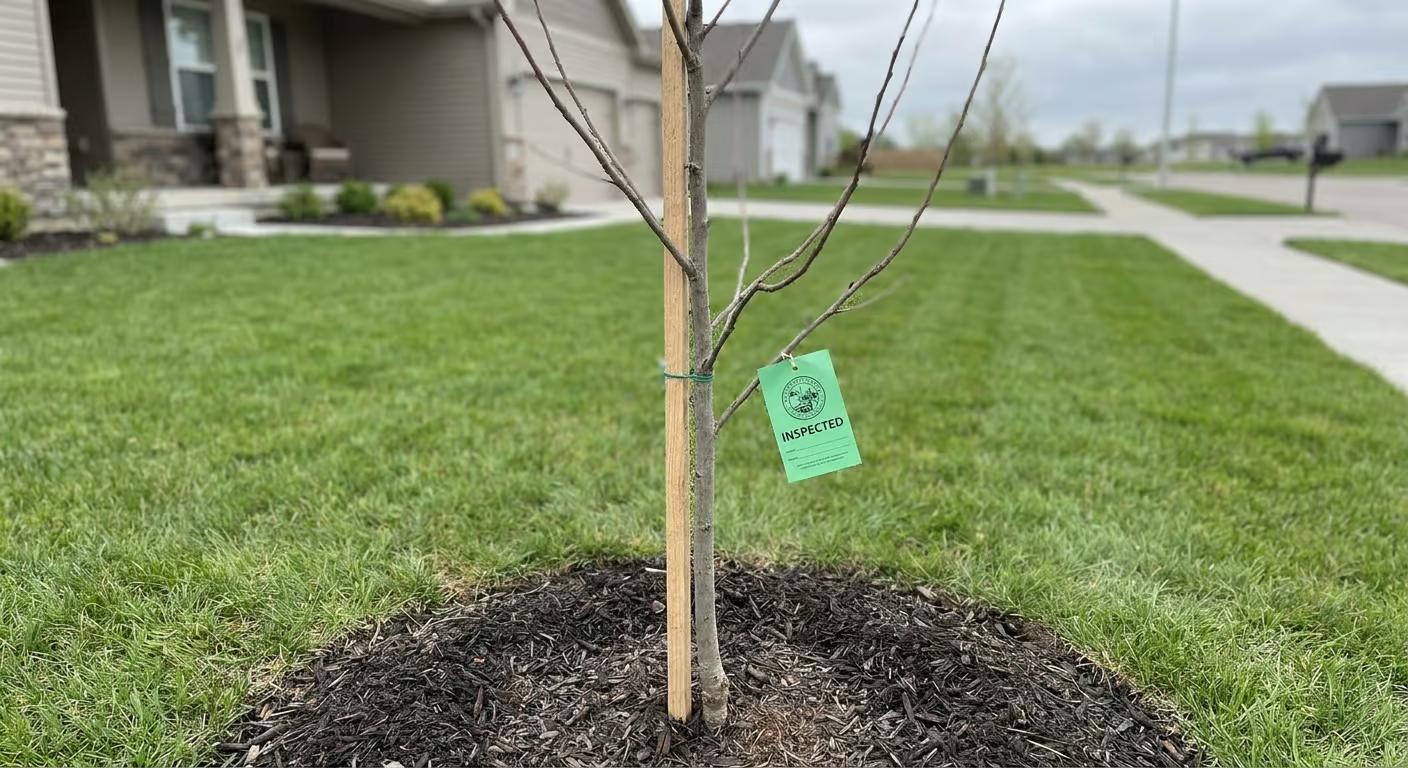
Almost every approved tree removal comes with a condition to plant one or more replacement trees. The number and species are usually tied to the diameter of the removed tree; a large tree may require two or three replacements. The permit will specify where the replacements must be planted, the minimum size at planting, and how long they must be maintained. Failing to fulfill the replacement condition can lead to the permit being revoked and additional fines. We advise clients to think of the replacement tree as part of the removal project, not an afterthought.
Common Mistakes to Avoid
- Cutting before the permit is issued. This is the fastest way to incur a fine. Even if approval seems certain, wait for the written permit.
- Assuming a dead tree needs no paperwork. Most municipalities still want an arborist report on file.
- Misidentifying a protected tree. A tree planted as a replacement or as part of a development landscape plan may be protected even if it is small.
- Ignoring replacement conditions. If you do not plant the required replacement trees, the city can take enforcement action.
- Pruning more than the allowed amount without a permit. Some bylaws treat heavy pruning as regulated activity; check before you cut.
- Not checking property lines. If the trunk straddles a boundary, you may need the neighbour’s written permission.
If you are ever unsure, start with a measurement and a conversation with a certified arborist before you touch the tree. The small effort up front saves thousands of dollars and keeps your property project on schedule.
If you need to know whether your tree requires a removal permit, our team can assess the tree, measure it, and explain exactly what the local bylaw says for your situation. Reach out before you cut, and we will help you stay compliant from the first measurement to the final replacement planting.
Before you commit to removal, see when cabling is necessary and effective to understand whether mitigation could satisfy the bylaw and keep the tree.
Areas We Serve
To see how everything here applies where you live, the area hubs below gather our guidance for each place we work, including notes on local permit thresholds and process. They’re a handy starting point when planning projects across neighborhoods.