
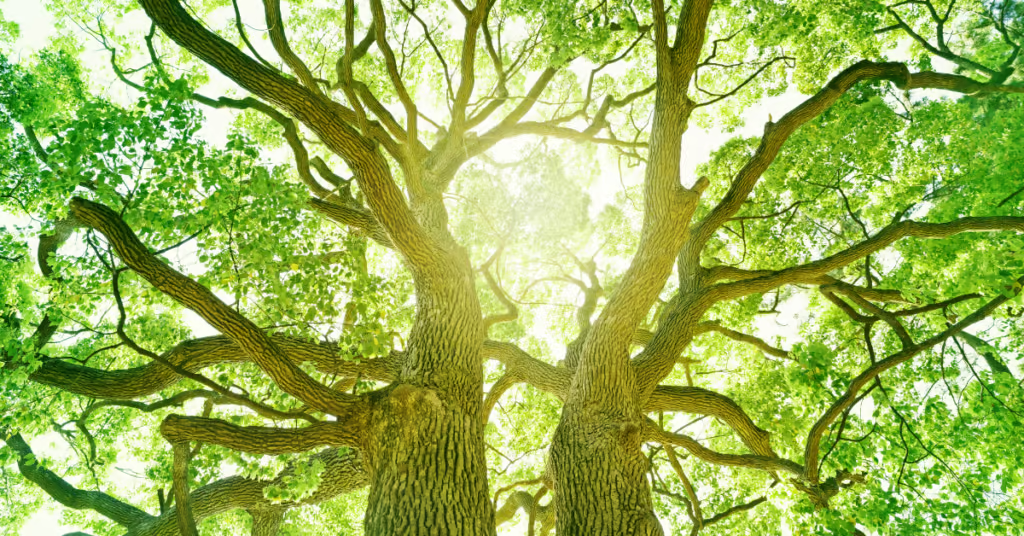
Have you ever wondered how trees, those majestic giants, manage to stay alive and thrive without any visible effort? It’s a bit of magic, really, but there’s a scientific explanation behind it. Tree transpiration of water is the secret process of water movement that keeps these natural wonders healthy and strong. Not only does it play a vital role in the life of a tree, but it also has a profound impact on our environment. Let’s dive deep into this hidden process and uncover the fascinating ways it influences everything from climate to local ecosystems.
For a closer look at roots, xylem, and leaves, see how each tree part works.
What Is Tree Transpiration?
Transpiration in plants is the process where trees release water vapor through tiny pores in their leaves called stomata. Most water molecules escape this way, with a smaller amount also moving out through lenticels on the bark and the thin, waxy cuticle on leaves, a combination known as stomatal transpiration, cuticular transpiration, and lenticular transpiration (a specialized type of transpiration). As this water moves, it evaporates and pulls more water and dissolved minerals up from the roots through the xylem, creating a continuous upward flow known as the transpiration stream. At the same time, this water leaves the leaf surface as a form of water vapor, linking each single tree to the surrounding atmosphere.
This steady movement of water cools the tree (much like sweating cools us), delivers nutrients to the leaves, and supplies the water needed for photosynthesis. Water moves across the leaf surface and exits through the leaves. It depends on the cohesion between nearby water molecules. Water also sticks to the internal tissues. Together, these forces keep transport going from root to crown. At the same time, the released water vapor returns moisture to the air, feeding into the larger water cycle as part of evapotranspiration and helping maintain humidity and cloud formation.
Insects that chew leaves or bore into wood can disrupt water flow—spot problems early with signs of insect damage on trees.
How Trees Use Water (From Root to Leaf)
The journey starts in the soil. Tree roots absorb water by osmosis, driven in part by osmotic pressure, then that water travels upward through xylem vessels, driven by root pressure, capillary action, and the pull created by transpiration in the leaves. As it rises, it carries essential minerals that power growth, repair, and energy production, ensuring the tree has much water available as a plant for growth.
Once the water reaches the leaves, it’s used in photosynthesis inside the mesophyll cells and then evaporates into the atmosphere through stomata. In some cases, nutrients also enter the plant by diffusion across cell membranes, supporting fine‑tuned nutrient balance. This constant cycle keeps trees hydrated, nourished, and structurally sound, helping them stand tall and resilient even in challenging conditions while maximizing the functional leaf surface that can capture light and release water. If you notice sudden wilting, premature leaf drop, or bare branches even in good weather, it may be time to check whether your tree is dying, since problems with water movement often show up first in the crown.
Why Transpiration Is a Lifeline for Trees
For trees, transpiration isn’t optional—it’s survival. By pulling water and nutrients upward, it fuels photosynthesis, the process that lets trees turn sunlight, water, and carbon dioxide into the sugars they need to grow; these are among the key necessities of photosynthesis for every tree. When the transpiration rate is in balance with available soil moisture, trees maintain turgor pressure, keeping their cells firm and their trunks and branches strong instead of wilted or drooping; this is only possible when there is adequate soil moisture to support ongoing water transport. When this balance breaks down and trees cannot pull enough moisture from the soil, they quickly become drought‑stressed, showing leaf scorch, thinning canopies, and slower growth as transpiration and photosynthesis are disrupted.
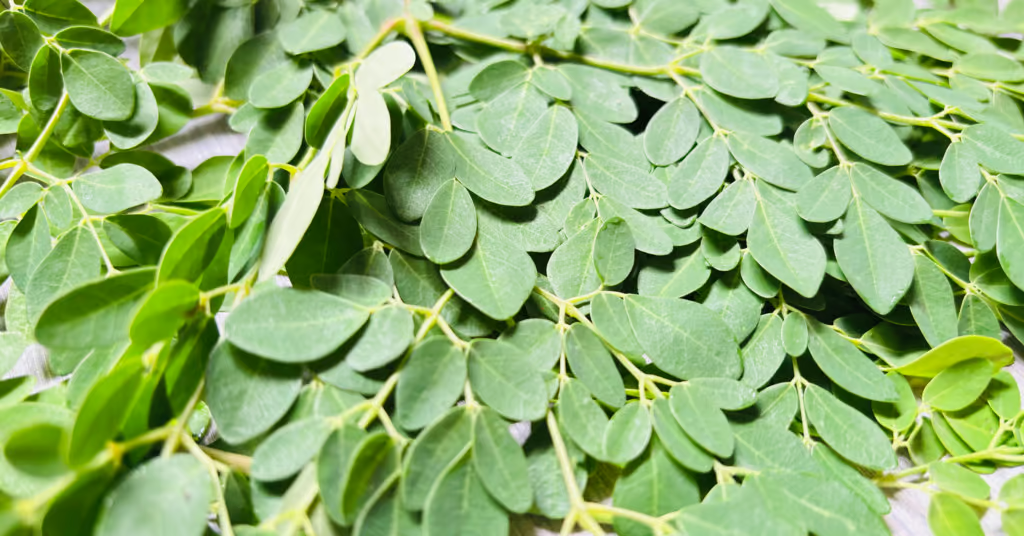
Efficient transpiration also helps trees ride out tough times. Trees that can finely adjust water loss by closing stomata, dropping leaves, or relying on waxy coatings are better able to withstand heat waves, drought, and pest pressure, preserving overall tree health. In short, healthy transpiration makes for healthy, long‑lived large trees with dense, vibrant foliage, each single tree playing a role in the broader landscape and using its full leaf surface area to interact with the air around it.
What Affects Transpiration in Trees?
Waterlogged soils choke roots and stall uptake — see the causes and fixes for root rot so your trees can move water again.
Transpiration is always adjusting to the world around the tree. Several key factors influence how fast trees lose water:
- Temperature: Warm air speeds up evaporation, increasing transpiration; cooler air slows it down.
- Humidity: Dry air pulls more moisture from leaves, while humid air slows water loss.
- Wind: Moving air sweeps away humid air around leaves, encouraging more evaporation.
- Light: Bright light opens stomata for photosynthesis, which also boosts transpiration.
- Species traits: Leaf size, thickness, surface wax, and stomatal density vary by species, affecting how each tree manages water and even how its acid metabolism responds under stress.
Soil and water availability matter too. In dry or poor soils, trees may close stomata and slow transpiration to avoid dehydration, even if that means less growth, and this shift in the process of water movement inside the tree can change how efficiently water moves from root to leaf. When adequate soil moisture is present, the natural tendency of water to move from wetter to drier areas, combined with cohesion between adjacent water molecules, allows efficient water transport from roots through the trunk and out across the entire surface of leaves.
Why Transpiration Matters for the Environment
As growth ramps up, simple checks and adjustments set trees up for the season; here’s how to prepare trees for spring.
Transpiration is a quiet but powerful force in nature. As forests release massive amounts of water vapor, they help drive the water cycle, influencing rainfall patterns and water availability far beyond their own boundaries. Regions that lose large areas of trees often see shifts in rainfall and more frequent droughts, underscoring how important forest transpiration in plants is to local and regional climates, since every single tree contributes its own share of form of water vapor to the air.

Trees also act as natural air conditioners. The energy used to evaporate water from leaves absorbs heat from the surrounding air, cooling nearby areas and reducing extreme temperatures—especially in cities, where trees help soften the urban heat island effect. That means more comfortable neighborhoods, lower cooling costs, and better conditions for people and wildlife alike, as long as urban soils can hold adequate soil moisture to support this cooling water transport cycle.
Planting near driveways or sewer lines calls for care; learn which trees have invasive roots and what you can legally do if they cause damage.
When you add new trees, timing matters—learn when winter planting works in Oregon.
How You Can Support Healthy Transpiration
Many water‑movement issues begin with pathogens; cut the risk with practical steps to prevent tree diseases.
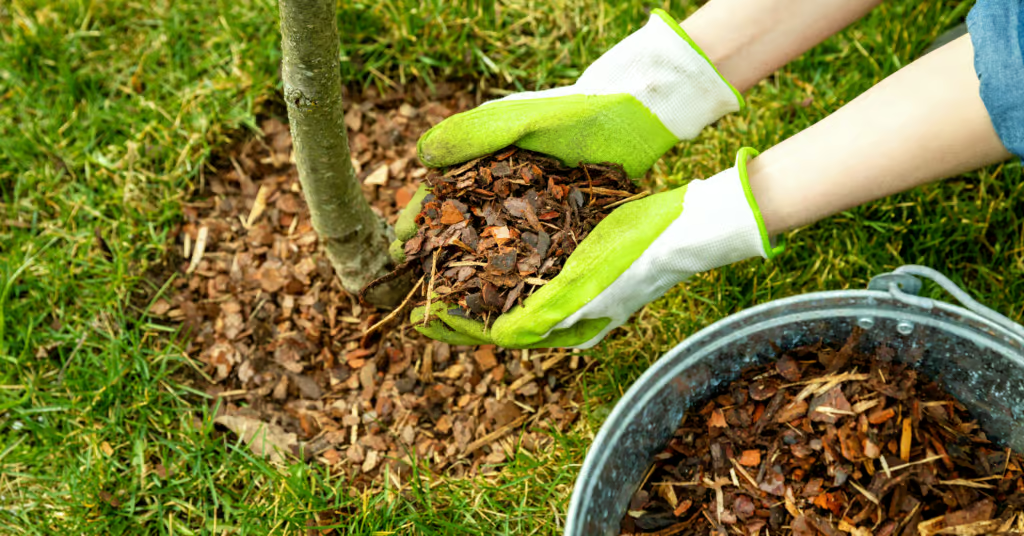
You don’t have to be a scientist or a forester to help this hidden process keep working:
- Water trees deeply but less often so roots grow down, not just sideways near the surface, giving them access to much water and stable adequate soil moisture.
- Mulch around the base to keep soil moisture steady and reduce heat stress.
- Avoid compacting soil over root zones, which can limit water uptake and disrupt normal transpiration of water.
- Plant and protect trees in your yard and community. Focus on paved or built-up areas lacking greenery. Each new tree adds leaf surface for cooling. More leaves mean more moisture released into the air.
If you suspect your tree is struggling with water stress, disease, or soil issues, following a step‑by‑step plan on how to treat a tree can restore healthier transpiration and keep your landscape thriving. When you care for a tree, you’re not just helping that one organism—you’re supporting a living system that cools the air, recycles water, and keeps entire ecosystems in balance. Through transpiration in plants, trees quietly work around the clock to keep our world livable, turning invisible flows of form of water vapor from every leaf surface into a global service that sustains plant for growth and life as we know it.
Keep your trees doing their quiet, life‑saving work year‑round by giving them the expert care they deserve. If you’re concerned about how well your trees are handling heat, drought, or everyday stress, our certified arborists can help you protect their health from the roots to the canopy. Learn more about our comprehensive tree service in Hillsboro and schedule an on‑site assessment so your trees keep cooling, shading, and beautifying your property for years to come.
Areas We Serve
How trees shed water vapor and draw moisture up changes with local sun, wind, and soil. Pick your place below to see how we work in your community and get in touch with the crew that serves your neighborhood.