
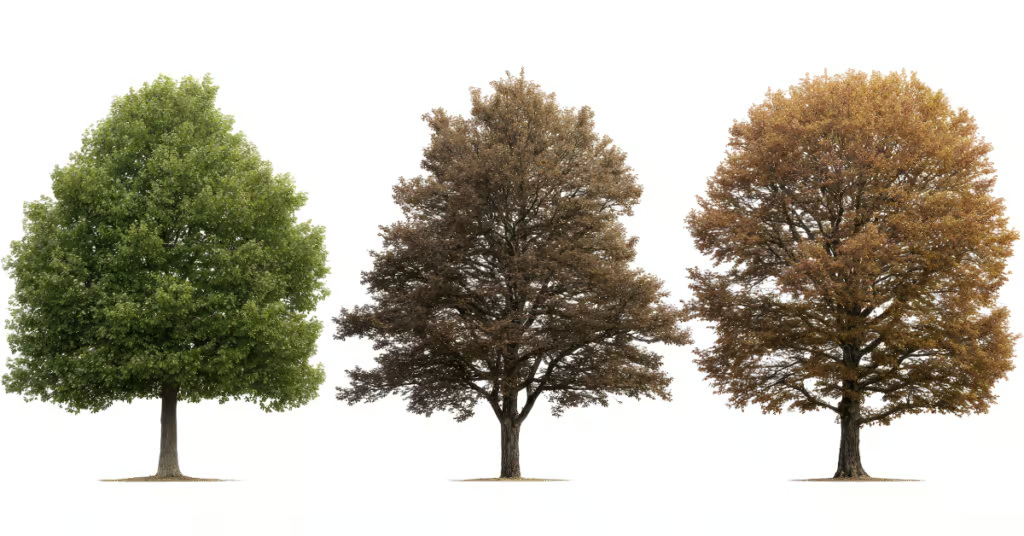
Living in Oregon, you may see changes in your trees. Once lush and vibrant, they now show signs of stress. In many neighborhoods, urban trees are already struggling as conditions shift. The Pacific Northwest is known for its rain. It now faces frequent, intense droughts, and it is increasingly common to see a drought stressed tree in an otherwise healthy yard. Homeowners feel confused and worried. They want to protect their trees. Well, you’re in the right place. This article will help you spot drought-stressed trees. It will also share practical ways to keep your landscape thriving, even in very dry conditions.
Recognizing the Warning Signs of Drought Stress in Your Urban Trees
Spotting the signs of drought stress in your trees can be the difference between a thriving landscape and a barren one. Trees, like any living organisms, show symptoms when they’re not getting enough water. As a homeowner, knowing these signs helps you act quickly and smartly. It lets you care well for both large trees and young plants.
Early Warning Signs to Identify Stressed Trees
When trees begin to struggle under drought conditions, their leaves often serve as the first line of communication. Yellowing leaves are a common red flag, signaling that your tree is grappling with a moisture deficiency. This yellowing can progress to smaller leaves. This shows the tree is conserving water. It reduces the total leaf surface area.
Moreover, wilting leaves are an urgent signal that your tree requires additional watering. If you notice browning leaf edges, it’s a clear indication of dehydration. These signs show your tree is vulnerable to drought stress. They signal a need for immediate care. Prompt service can help restore its health. If drought stress has weakened roots or soil, you may eventually notice a tree leaning toward your house, which is a serious safety issue that should be assessed quickly by a professional.
Visual Cues of Drought Stress You Shouldn’t Ignore
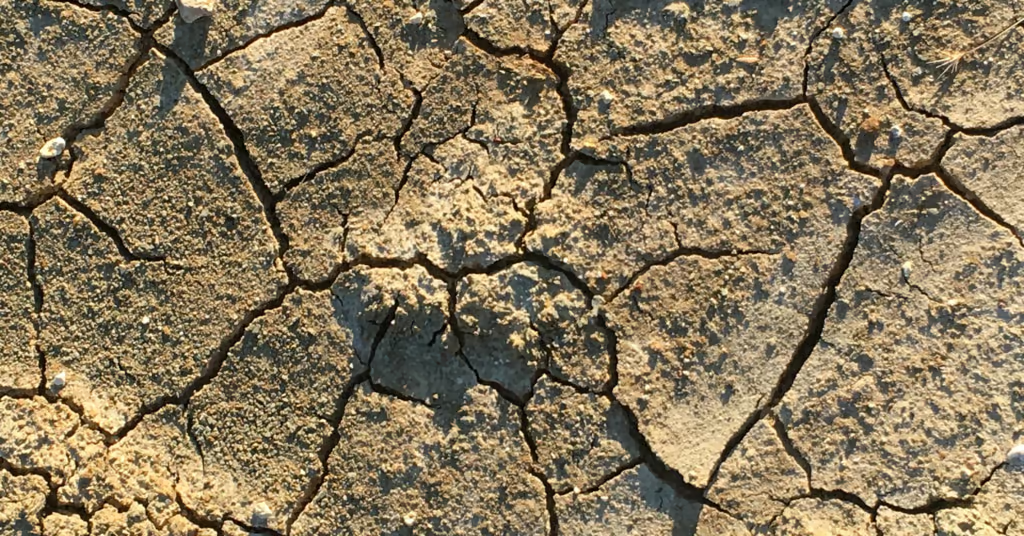
Beyond the leaves, the ground around your trees can offer telling clues about their condition. Cracked soil around the base shows poor moisture retention. This suggests the roots are not getting enough water. A sparse tree canopy is another concerning sign, pointing to significant drought stress that could lead to long-term damage.
As summer fades, line up simple spring prep steps for PNW trees so new growth starts strong after a hard, dry season.
Sunscald on the bark can appear when water is low. The damaged bark exposes inner tissues. These tissues then face harsh UV rays. You might also spot visible pests taking advantage of weakened trees, further exacerbating the stress. These are all signs that your tree is in trouble and needs immediate attention. In severe cases, may even require tree removal.
Seasonal Changes and Their Impact on Tree Stress
As the seasons shift, so do the water demands of your trees. During hotter months, higher heat increases water needs. Long dry weather spells add extra strain. Your tree’s health can suffer. Windy conditions, common in Oregon, can exacerbate moisture loss from tree leaves, leading to further stress.
These seasonal changes can also alter rainfall patterns, challenging the tree’s natural resilience. When summer drought or even severe droughts occur, they can cause significant term drought impacts on trees and the landscape overall. Understanding these seasonal impacts can help you plan more effectively for tree care, including when and how you should be watering trees.
Common Signs of Drought Stress You Should Watch Out For
Being able to recognize the common signs of drought stress is crucial for any tree owner. These signs show the tree’s current health. They also hint at what could happen if drought continues.
Leaf Discoloration and Curling
One of the most noticeable symptoms of drought stress is leaf discoloration. Leaf yellowing can quickly progress to browning if ignored, which often means the tree is not receiving enough water. Curled leaves are another warning sign. They show the tree is trying to save water. It reduces exposure to sun and air.
Additionally, a faded leaf color often results from insufficient hydration, making the foliage appear dull and lifeless. In extreme cases, you might even notice leaf scorch marks, which are clear indicators of severe drought stress. These signs should prompt immediate action to prevent further leaf drop and foliage loss in both deciduous trees and evergreens.
Premature Leaf Drop and Canopy Thinning
Early leaf drop is another warning sign that your tree is under stress. This might be a survival mechanism, allowing the tree to conserve resources by shedding its leaves prematurely. A thinning canopy signals a serious decline in tree health. Sparse foliage also adds stress from increased sun exposure.
Reduced leaf production impacts the tree’s ability to photosynthesize, further weakening the tree. Spotting these signs early helps you take action to protect the tree. It limits damage and aids recovery. This prevents the entire tree from weakening or failing completely.
Bark Cracking and Dieback
The bark of your tree can also provide clues about its health. Cracked bark often reveals internal stress from an inadequate water supply. As the drought conditions persist, you may notice dieback sections on branches becoming more prevalent, indicating severe stress.
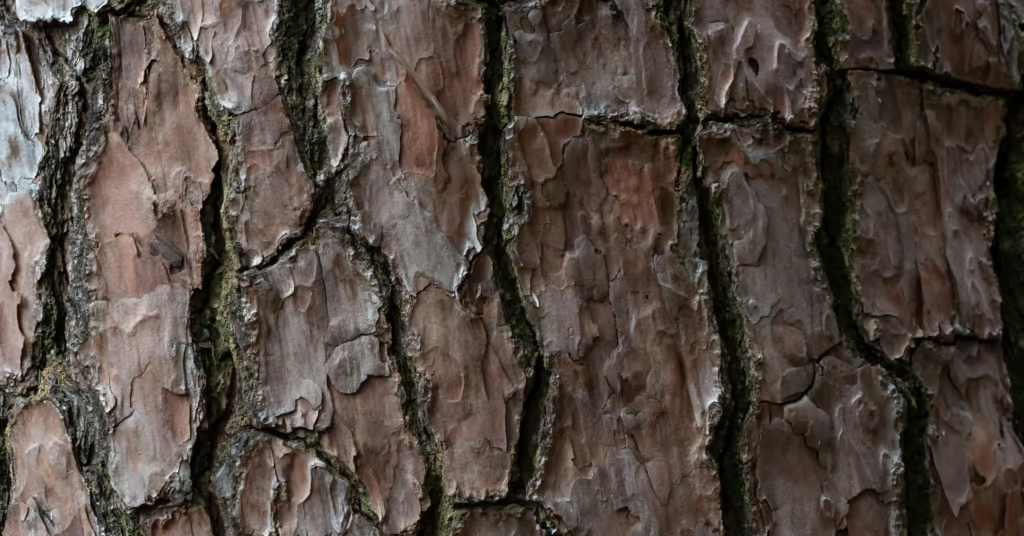
Deep bark cracks suggest long drought. Bark may even start to shed. This is a response to chronic drought stress. These signs of tree failure need prompt attention. In situations where the soil has dried and shifted, contributing to a lean, specialized tree bracing techniques may help stabilize the tree and reduce the risk of failure. Acting fast helps stop further decline in tree health. This is especially vital when other tree-specific issues are also present.
How Drought Affects Mature Trees and Why It Matters
Mature trees are a vital part of any landscape, offering shade, beauty, and ecological benefits. However, they are not immune to drought. Knowing how drought affects them is crucial. This knowledge helps protect your landscape’s long-term health. If a severely drought-stressed tree does fail, it is important to understand who is responsible for removing a fallen tree so you can handle cleanup, insurance, and neighbour issues correctly.
Drought weakens defenses, so use these practices to cut risks of infection; see practical ways to prevent tree diseases for pruning, sanitation, and timing.
Vulnerability of Mature Trees to Drought Stress
Mature trees might seem robust, but they can be quite susceptible to drought stress. Their established root systems mean they rely heavily on consistent moisture levels. When drought lasts a long time, these trees can suffer greatly. Their roots may not absorb enough water to meet their needs.
These older trees provide essential shade and habitat for wildlife, so their health directly impacts the surrounding ecosystem. When mature trees are stressed, they often need more care. This makes proactive tree care important. You must maintain soil moisture. This helps protect overall tree health and prevents permanent wilting in sensitive species.
Long-Term Impact of Drought on Tree Health
Chronic drought stress can severely weaken a tree’s defense mechanisms, making it more susceptible to diseases and pests. Prolonged stress can shorten the lifespan of mature trees, leading to premature tree loss. Reduced growth rates are also common in drought-affected trees, impacting not only their appearance but also their ability to function ecologically.
The implications of such drought damage emphasize the need for strategies to protect tree health and support recovery. Working with forestry experts and arborists gives you trusted guidance. They share insights that keep your landscape plants healthy over time. Their advice also helps you avoid costly tree issues in the future.
The Role of Mature Trees in Your Landscape
Mature trees are more than just aesthetic elements; they are integral parts of the landscape. They enhance property value and curb appeal, offering a return on investment that goes beyond monetary value. Established trees provide critical shade, helping to reduce cooling costs during the hot summer months.
Chewed leaves, frass, or exit holes warrant a closer look at common tree‑eating insects in Oregon and how to respond.
Furthermore, healthy trees support local biodiversity, improve air quality, and contribute to overall landscape resilience. Protecting mature trees from drought keeps them healthy for many years. It helps them stay strong and full of life. It also lowers the chance that fruit trees or ornamental trees will need replacing.
Identifying Stressed Trees: What to Look For
Knowing what to look for when assessing tree health can help you pinpoint issues before they escalate. By focusing on key indicators, you can intervene early and prevent long-term damage to your trees.
Inspecting Leaves and Branches for Signs of Drought
When inspecting your trees, pay close attention to the leaves and branches. Damaged leaves can point to underlying water stress, while brittle branches suggest a lack of moisture within the tree. You might also notice an insect infestation, as pests often target drought-stressed trees.
Discolored leaves can signal nutrient issues from drought. This makes it important to check the whole tree. Look for other signs of drought stress and damage. Early detection can guide effective tree care interventions and help you decide whether the issue is drought or other tree problems.
Soil Conditions and Their Effect on Tree Stress
Soil conditions play a critical role in tree health. Compacted soil often prevents proper water absorption, exacerbating drought stress. If the soil appears dry and crumbly, it’s a clear sign of inadequate irrigation, requiring adjustments to your watering routine.
Soil erosion can expose tree roots, increasing stress and impacting the tree’s ability to uptake water and nutrients. Fixing soil quality issues can ease drought stress on your trees. It helps them recover faster and stay healthy, especially in areas where there is lack of water.
Recognizing Patterns in Stressed Tree Behavior
Stressed trees often exhibit recognizable patterns in their behavior. You might notice increased leaf drop during drought periods, which aligns with the onset of drought conditions. Irregular growth patterns suggest chronic stress issues that need immediate attention.
Changes in foliage density can indicate water deficiencies, urging you to take action to address the underlying drought stress. Understanding these patterns can guide your tree care efforts and improve tree health across all your trees and shrubs.
Effective Tree Care During Drought Conditions
Taking proactive steps can significantly improve the health of your trees during drought. By adjusting your care routines, you can help your trees withstand the challenges of dry conditions.
Adjusting Care Routines for Stressed Trees
During drought, increasing your watering schedules is crucial to mitigate immediate stress. However, be cautious with fertilizing, as it might improve resilience but can also exacerbate stress if not applied carefully. Regular monitoring allows for quick intervention when signs of stress appear, helping to prevent long-term health decline.
Adapting care routines to your trees’ specific needs can make a significant difference in their ability to survive drought conditions. Consider consulting with a tree service expert to optimize your care strategy for each tree type on your property.
Prioritizing Trees for Care During Drought
Overwatering stressed trees can cause root rot; learn the warning signs and treatment of rotting roots so you don’t trade drought stress for decay.
Not all trees are created equal, and some may require more attention during drought. High-value trees that provide significant shade or aesthetic value should receive priority in your care routines. Younger trees may need more frequent watering, as their root systems are still developing.
Evergreen conifers often need special consideration due to their year-round foliage, which increases their water requirements. By prioritizing care, you can maximize the impact of your efforts and protect your most valuable trees.
Managing Soil Moisture Levels
Managing soil moisture is key to maintaining healthy trees during drought. Consistent mulching helps retain essential soil moisture, while drip irrigation systems efficiently deliver water directly to tree roots. Soil moisture sensors can provide precise guidance on when to water, preventing both under- and over-watering.
Avoiding overwatering is critical, as it can lead to root rot and soil compaction. Striking the right balance in soil moisture management is essential for reducing stress and supporting your trees’ health.
Proven Strategies to Help Your Trees Thrive in Drought
Implementing proven strategies can boost your trees’ resilience and help them thrive even in the harshest conditions. These techniques focus on optimizing water usage and enhancing tree support systems.
Mulching Techniques to Retain Soil Moisture
Applying organic mulch layers around your trees can help maintain temperature and moisture levels in the soil. Proper mulching also prevents weed growth that competes for water, allowing your trees to access more of the available moisture.
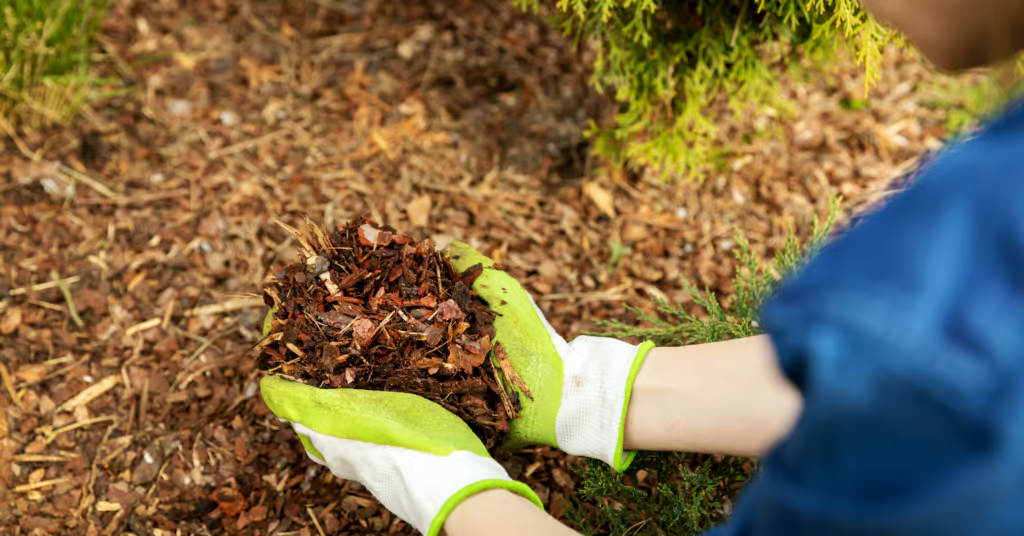
Using bark or wood chip mulch is very effective for holding moisture. A good mulch layer also shields tree roots from extreme temperature swings. These simple yet effective techniques can significantly reduce drought stress on your trees.
Selecting Drought-Tolerant Tree Species
Choosing the right tree species can make a world of difference in building a drought-resilient landscape. Native tree species often exhibit greater drought resilience, having adapted to the local climate over time.
Drought-tolerant varieties reduce overall water usage, making them ideal for areas prone to dry conditions. Incorporating diverse species in your landscape creates a balanced ecosystem and enhances resilience. Researching local recommendations can guide effective tree selection and landscaping decisions.
Pruning Practices to Reduce Stress
Strategic pruning is an effective way to minimize water demands on stressed trees. It is especially important to avoid harmful practices like tree topping, which can make drought-stressed trees even more vulnerable to decay, breakage, and long-term decline. By removing dead or damaged branches, you can aid in tree recovery and improve overall tree health. Pruning also enhances air circulation and sunlight penetration, which are essential for healthy growth.
Hiring professional arborists for pruning is a smart choice. They use proper techniques on every cut. This reduces the risk of extra stress or damage to your trees. Pruning is a critical component of comprehensive tree care during drought conditions.
Practical Tips to Save Your Trees from Drought Stress
Taking practical steps to combat drought stress can safeguard your trees and enhance their resilience. These tips focus on optimizing watering and creating protective environments.
Watering Tips to Combat Drought
Deep watering is essential for encouraging root growth and resilience. Aim to water your trees early in the morning or late in the evening to reduce evaporation and maximize water absorption. Slow watering also allows for better soil absorption, ensuring that the water reaches the roots where it’s needed most.
Consistent watering schedules prevent rapid soil drying and help maintain adequate moisture levels. By adopting these watering techniques, you can provide enough water to support your trees through drought conditions.
Creating a Protective Environment for Stressed Trees
Creating a protective environment can further reduce stress on your trees. Windbreaks can help reduce moisture loss from tree foliage, while protective shading mitigates sun stress. Avoiding soil compaction is crucial for ensuring adequate root hydration.
Planting companion shrubs around your trees can also reduce water competition and create a more stable environment. These practices contribute to a healthier landscape and help your trees withstand drought stress.
Monitoring and Maintenance Schedules
Regular inspections of your trees are vital for identifying early signs of drought stress. By staying vigilant, you can address issues promptly and prevent long-term damage. Seasonal maintenance, such as pruning and mulching, keeps trees healthy and resilient.
For a broader plan that covers species choice, planting, watering, and pruning, use this complete tree care and maintenance guide to keep trees resilient year‑round.
Timely interventions are key to minimizing the impact of drought on tree health. Consider seeking professional evaluations to gain expert guidance on care routines and ensure your trees receive the necessary attention.
Building a Drought-Resilient Landscape for Long-Term Tree Health
Creating a drought-resilient landscape involves strategic planning and ongoing care. By integrating water conservation practices and diverse planting strategies, you can promote long-term tree health and landscape sustainability.
Integrated landscape planning promotes efficient water usage and conservation, while diverse planting creates a balanced and resilient ecosystem. Efficient irrigation systems optimize water usage, ensuring that trees receive the necessary moisture without waste.
Continuously learning and adapting your landscape practices can support overall tree health and resilience. By focusing on these principles, you can build a landscape that thrives despite the challenges of drought.
Understanding the Impact of Drought on Tree Health and Recovery
Recognizing the impact of drought on tree health is crucial for effective recovery and management. Collaborating with local experts can provide valuable insights and resources to enhance your tree care efforts.
Collaborating with Local Experts for Tree Care Guidance
Working with certified arborists can offer specialized advice tailored to your tree’s needs. Local extension services provide valuable drought-related resources, while community workshops enhance knowledge on drought resilience.
Engaging in expert consultations ensures informed decision-making for tree care and fosters a proactive approach to landscape management. By leveraging local expertise, you can better navigate the challenges of drought and support your trees’ recovery.
This article will show you how to spot drought-stressed trees. It will also share practical ways to help your landscape thrive, even in very dry conditions. By taking these steps, you can protect your trees and ensure they continue to thrive even in challenging conditions.
Protecting drought‑stressed trees doesn’t have to be overwhelming when you have the right experts on your side. If you’re noticing yellowing leaves, thinning canopies, or cracks in the bark, now is the time to act—before minor issues turn into costly removals. The team at Durant Tree Service provides comprehensive tree service in Hillsboro, from careful diagnosis and customized care plans to pruning, cabling, and safe removals when needed. Schedule an assessment today so we can help your trees recover, strengthen your landscape, and keep your property safe for years to come.
Areas We Serve
Drought changes how trees grow and what they need, shaping pruning priorities and timing. Our area hubs show where we work and how we tailor care to local conditions—choose the page closest to you for next steps and contact details.