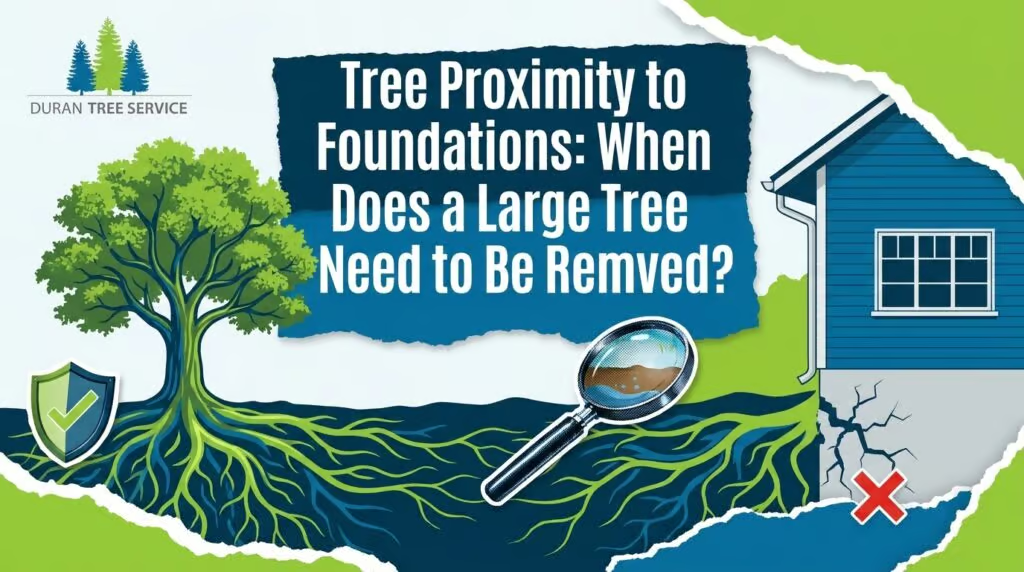
That large tree shading your home may also be working beneath it. Tree roots rarely respect the neat line between yard and foundation; they grow toward available moisture and loose soil, which often exist exactly where the footing meets the ground. Before you assume a big tree must come down, it helps to understand how roots actually interact with foundations—and which warning signs indicate real trouble.
The decision to remove a large tree near a foundation is rarely based on trunk diameter alone. We look at three things together: the tree species and its mature root spread, the soil type around your home, and any existing cracks or movement in the structure. When one of those factors is aggressive and another is already compromised, removal may be the only way to stop ongoing damage.
Understanding How Tree Roots Damage Foundations
Physical Pressure from Expanding Roots
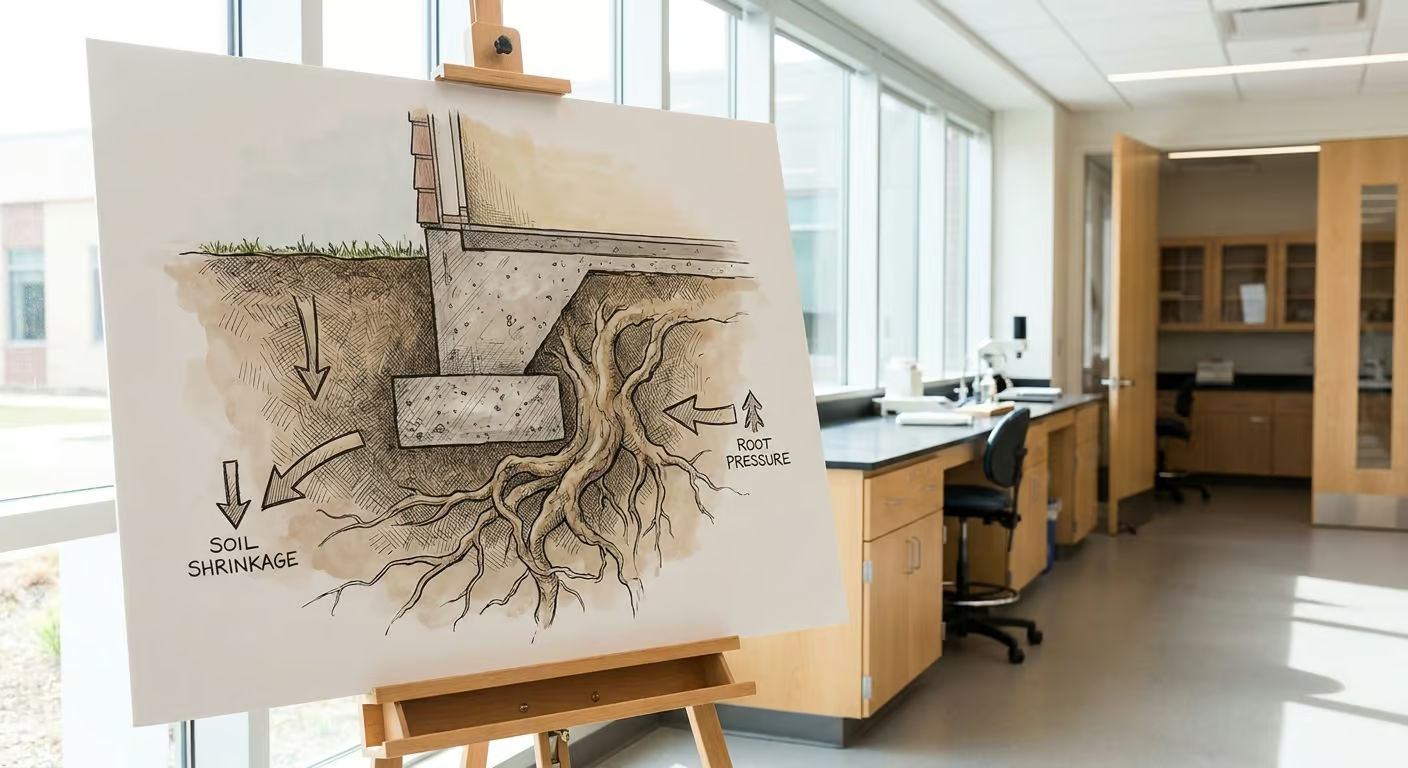
Lateral roots grow horizontally just below the surface, often extending well beyond the drip line. As these roots thicken year after year, they can press against basement walls, footings, and buried pipes. The force is gradual but persistent; on shallow foundations or older concrete, that pressure can open hairline cracks and then widen them. Roots do not usually break a sound foundation on their own, but they exploit any weakness that already exists.
Soil Moisture Depletion and Settlement
Roots absorb water from the surrounding soil. During dry seasons, a large tree can pull so much moisture from the ground that the soil shrinks and compacts. When this happens unevenly beneath a foundation, the slab or footing can settle, causing doors to stick and floors to slope. The effect is most pronounced when the tree’s root system is concentrated on one side of the house.
Clay Soil Shrinkage and Swelling
Clay soils expand when wet and shrink when dry. A large tree close to the foundation intensifies this cycle, drawing moisture out of the clay and causing deeper, more reactive shrinkage. Later, after heavy rain or if the tree is removed, the clay can swell again, which may create uplift. That is why removing a tree on clay soil should be done with a plan for gradual moisture rebalancing.
Signs Your Foundation Is Being Damaged by a Nearby Tree
Cracks in Foundation or Walls
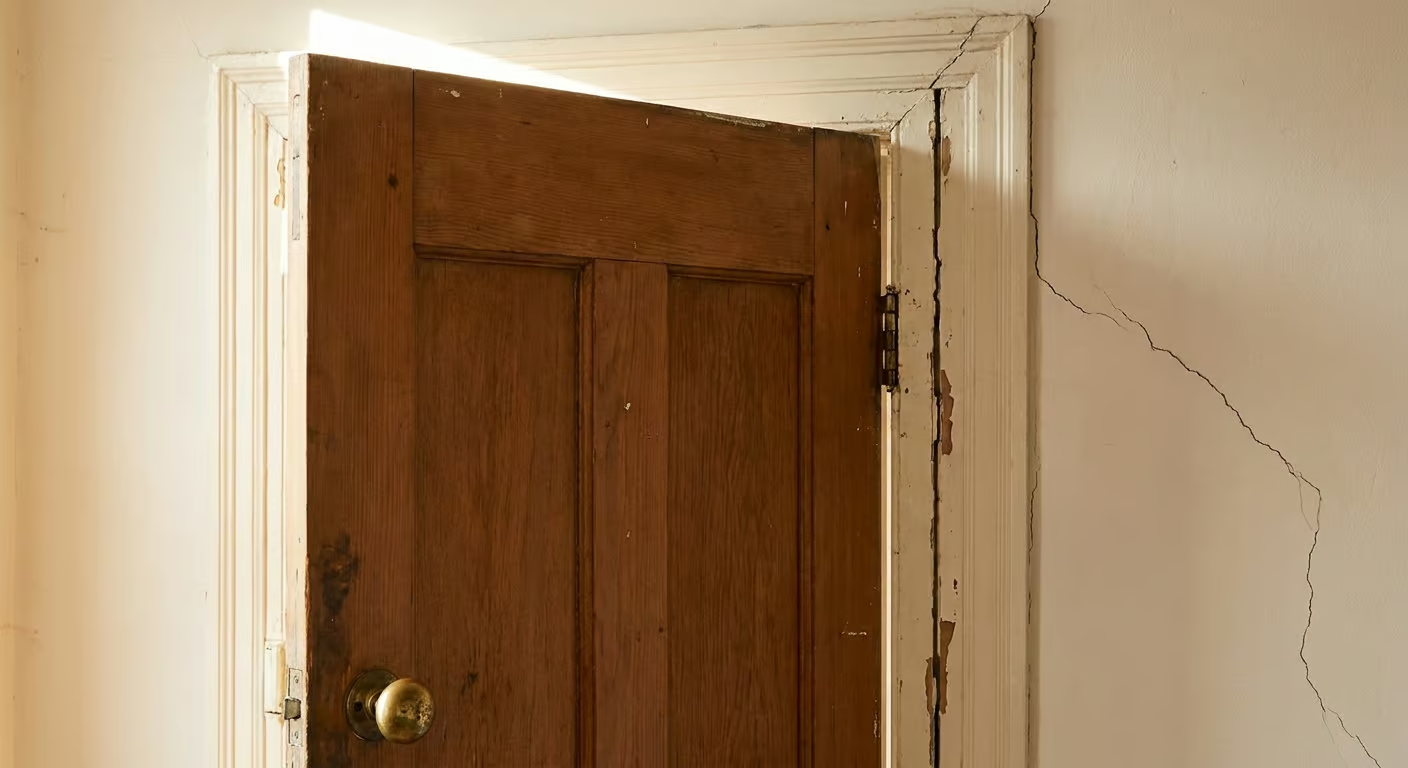
Look for new or widening cracks in the foundation wall, especially vertical or stair-step patterns. Horizontal cracks may indicate lateral pressure, which can come from root growth or expanding soil. Pay attention to cracks that appear on the interior drywall above door frames—those often trace back to movement lower in the structure.
Uneven or Sloping Floors
If a floor dips or rises noticeably as you walk across it, settlement may be underway. Use a level on a few spots; a difference of more than a quarter inch over a few feet is worth investigating. When the low side of the room faces the tree, root-driven moisture loss is a likely contributor.
Sticking Doors and Windows
Frames shift as the foundation moves, causing doors to rub at the top or latch side and windows to bind. While seasonal humidity can also cause this, a pattern of sticking that only gets worse in dry months and improves after heavy rain suggests soil movement linked to root water uptake.
Assessing the Tree’s Health and Stability
Signs of Decay or Disease
A tree that is already weakened by fungal decay, large dead limbs, or a hollow-sounding trunk poses a higher risk to your foundation. A failing tree is more likely to drop branches or uproot, and its roots may be compromised. Check for conks or mushrooms at the base, peeling bark, and significant dieback in the crown.
Leaning Trunk or Exposed Roots
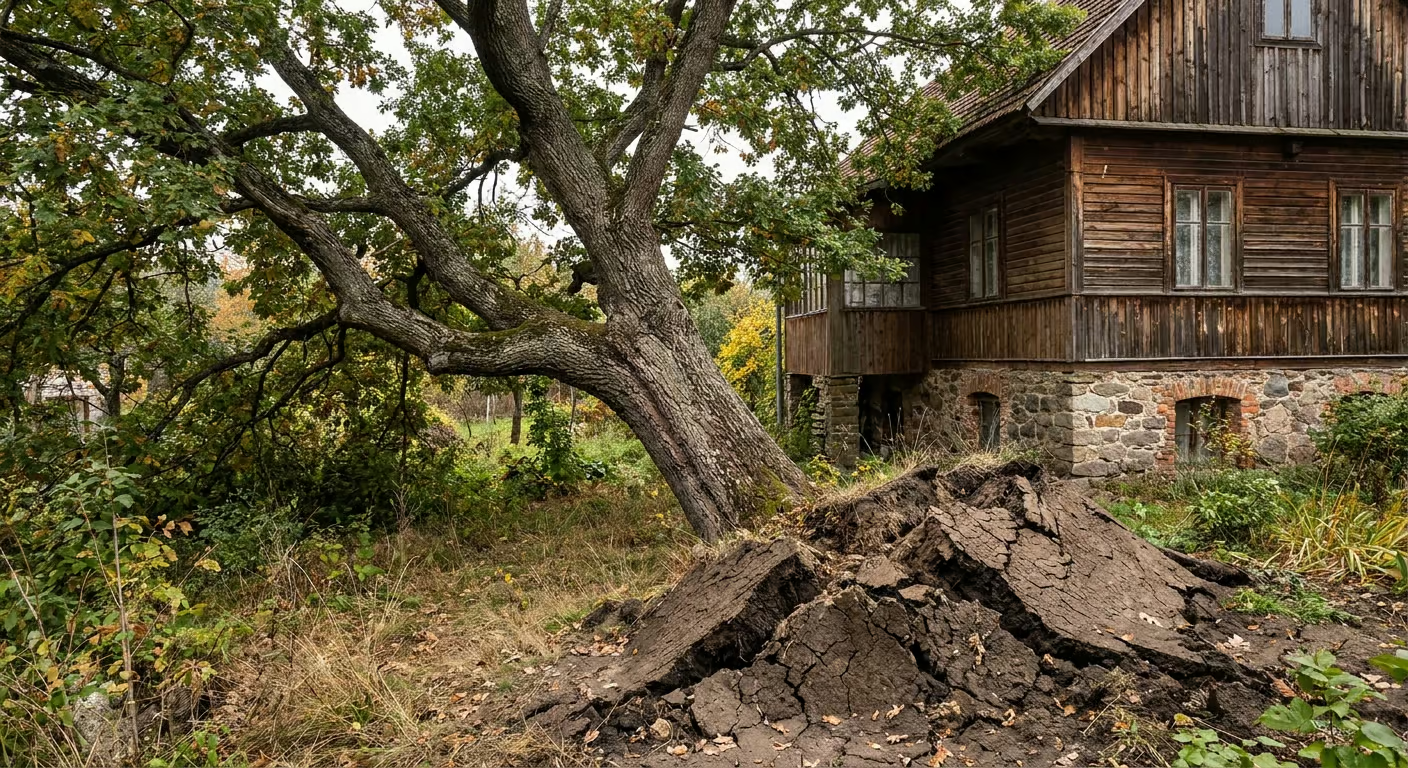
A lean that develops over a short period, especially toward the house, indicates root failure. Exposed surface roots near the foundation may be lifting the soil or pushing against the footing. If you can see a gap between the soil and the base of the trunk on the side away from the lean, treat it as urgent.
Root Plate Movement
The root plate is the zone of thick roots anchoring the trunk. When wind rocks the tree, look for movement in the soil at the base—heaving, cracking, or a visible shift. If the ground moves while the trunk stays relatively fixed, the structural roots are failing and the tree may be moments from falling.
Species-Specific Root Aggressiveness and Size
Trees with Aggressive Root Systems
Some species are much more likely to damage foundations than others. Fast-growing, water-loving trees such as willows, poplars, silver maples, and some elms produce extensive lateral roots that travel far from the trunk. These roots are also more likely to invade plumbing lines and exploit foundation cracks. A mature poplar 40 feet from a house can still affect soil moisture under the footing.
Mature Size and Canopy Spread Considerations
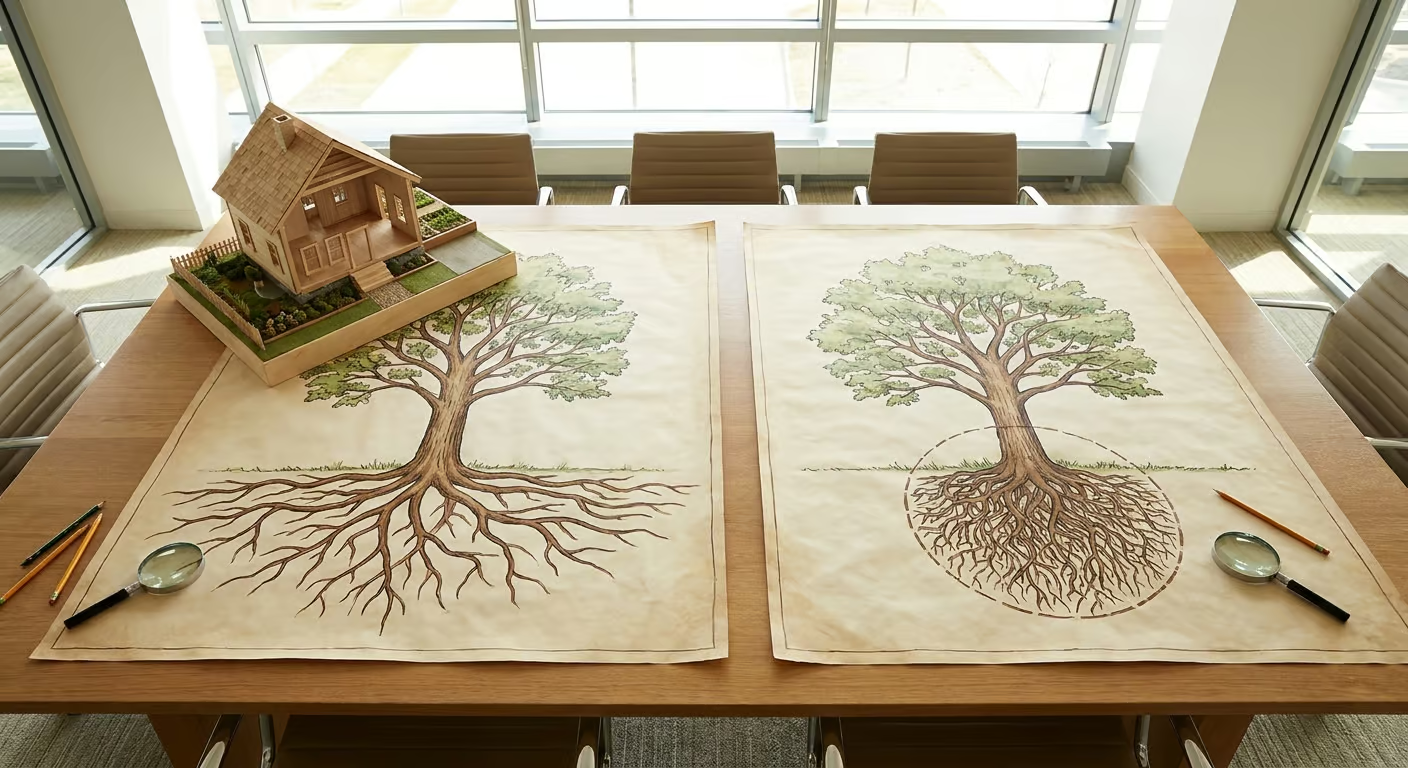
A tree’s root system often extends at least as wide as its canopy, and for some species two to three times further. Before judging distance, know how large the tree will get at maturity, not just its current size. A young oak planted 15 feet from a corner may look harmless now, but its root spread at 50 feet tall will easily reach the foundation.
Safe Distance Guidelines: When a Large Tree Is Too Close
General Distance Rules Based on Tree Height
A practical rule is to plant a tree at least as far from the foundation as its expected mature height. For large species like oaks, elms, and poplars, that often means 50 feet or more. Moderate trees may need 25 to 40 feet, while small ornamentals can often be placed 10 to 15 feet away without significant risk. Existing trees that violate these distances deserve closer monitoring.
Adjustments for Soil Type and Root Barriers
On clay soil, increase the recommended distance by at least 25 percent because moisture withdrawal has a greater effect. Root barriers can redirect shallow roots away from a footing, but they must extend deep enough—typically 30 inches or more—and be inspected regularly. Barriers are a management tool, not a permanent fix for a tree that is already too close.
When Removal Is the Best Option: Criteria for Decision
Severe or Worsening Foundation Damage
Removal becomes necessary when a foundation specialist confirms that root activity is causing ongoing movement. If cracks are widening, floors are sinking, and repairs keep failing, continuing to prune roots may only buy a few years. At that point, repeated foundation repairs become less practical than removing the tree.
Tree Health and Structural Risk
A large tree that is decaying, leaning, or showing root plate movement near a house is a removal candidate regardless of distance, because the entire tree can fall. If the tree also has aggressive roots pressing on the foundation, the combined risk makes removal the safest choice.
Combining Species, Distance, and Damage Factors
We use a simple matrix: aggressive species + less than 20 feet from foundation + visible damage = high probability of future failure. A less aggressive species at 30 feet with no damage may only need annual monitoring. When two of the three factors are severe—say, a silver maple 15 feet away with a stair-step crack—removal is usually the responsible recommendation.
Professional Assessment and Removal Considerations
Consulting a Certified Arborist
Tree risk assessment near a foundation requires both tree knowledge and structural awareness. The arborist looks at root architecture, species behavior, and current health; the foundation specialist looks at crack patterns, soil movement, and footing depth. When both disciplines agree that the tree is the cause of active damage, the path forward is clearer.
When we assess a tree near a foundation, a certified arborist on our crew examines the root flare, trunk lean, and soil around the footing before making any recommendation. That step matters because removal decisions should not be based on a single crack or a single root.
Foundation Specialist Evaluation
If you see significant cracks or uneven floors, have a structural engineer or foundation repair specialist inspect the home independently. They can tell you whether the movement is active, whether tree roots are involved, and what repairs are needed after removal. Avoid relying on a tree service alone to diagnose foundation damage.
Understanding Local Regulations
Removing a large tree often requires a permit, especially if the tree is protected or near a public right-of-way. We always check current local rules before cutting, because removing a regulated tree without approval can lead to fines and delays. A professional tree service should handle permitting and notify utilities before work begins.
Preventing Future Problems: Planting the Right Tree in the Right Place
Selecting Species with Non-Invasive Roots
When replacing a removed tree or adding new landscaping, choose smaller, slower-growing species with compact root systems. Dogwoods, redbuds, serviceberries, and many columnar evergreens are less likely to threaten foundations. Avoid planting water-hungry species like willow, poplar, or silver maple anywhere near a structure.
Maintaining Adequate Planting Distance
Use the mature height rule from the start. Measure from the future trunk, not the current sapling. If the mature height is 30 feet, plant at least 30 feet from the foundation. On clay soil, add extra distance. This single decision prevents most root-conflict problems decades later.
Alternatives: Root Barriers and Regular Monitoring
For an existing tree that is close but not currently damaging, a properly installed root barrier can slow root encroachment. Combine that with an annual inspection of the foundation and the tree’s health. Early detection of cracks or soil movement gives you time to act before damage becomes structural.
If you have a large tree near your foundation and you are unsure whether it needs to come down, contact us for a professional assessment. We will help you weigh the tree’s health, the soil conditions, and the condition of your home so you can make a decision with confidence.
To plan replacements or new plantings, learn the trees most likely to damage foundations and the legal steps homeowners can take if roots cross property lines.
Areas We Serve
Roots, moisture, and clay behave differently across neighborhoods. Our area hubs outline how we work in each place and what local conditions mean for trees near homes; use the links to see guidance and options tailored to your part of town.