
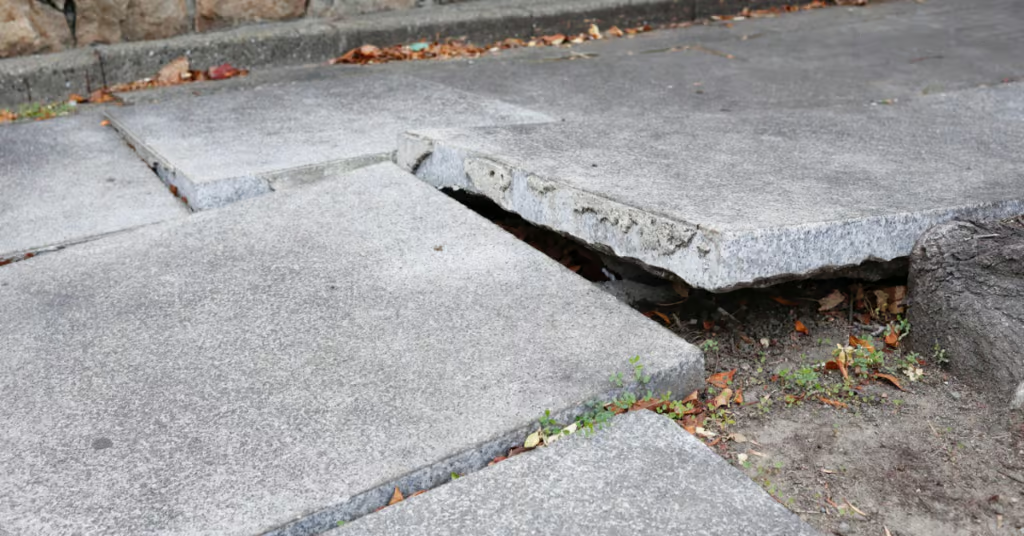
Imagine waking up and seeing your dream garden turned into a battlefield. Tree roots are waging war beneath the soil. They press against your home’s foundation. They also invade your plumbing and cause costly damage. For many homeowners in Hillsboro, Oregon, invasive tree roots are not a distant worry. They are a real and recurring headache. These aggressive roots can cause significant structural damage, leading to costly repairs and endless frustration. But fear not! You can protect your property by making informed choices. Learn which trees to avoid near structures. Understand the types of damage their roots can cause. Know your legal options so you can act confidently. Know your legal options so you can act confidently and still maintain healthy trees that fit your space.
Understanding the Problem of Invasive Tree Roots in Soil
What Are Invasive Tree Roots?
Invasive tree roots are roots that spread aggressively near the soil surface. They often extend far beyond the tree’s canopy. Instead of growing deep and contained, these roots spread sideways through the soil. They move outward in search of water and nutrients. Along the way, they often exploit cracks in soil and paving. They can also invade small openings in pipes. This behavior can heave sidewalks and driveways, disrupt landscaping, and create trip hazards and maintenance problems for homeowners. In residential areas and urban areas, these roots often cause surprise property damage. The risk is highest where hardscapes and utilities lie inside the root zone.
How Do Invasive Roots Affect Homeowners in Oregon?
In Oregon, invasive roots are a recurring issue for many homeowners. Mature trees and aging infrastructure increase the risk. In some cases, what looks like simple root spread may actually be early rotting tree roots, which can weaken the tree and increase the odds of structural failure. Seasonal wet–dry cycles also stress soil and pipes. Together, these factors make root problems more common. Roots can cause foundation issues by drying nearby soil or finding weak spots. This can lead to cracks and uneven settling. They also frequently enter aging or compromised sewer and drainage lines through joints or fractures, causing blockages, slow drains, and backups. Local rules and tree laws may apply. Homeowners must balance tree protection and root control. Regular inspections help catch problems early. Strategic pruning can guide root and canopy growth. Seek professional tree services advice before any major work.
When summers run dry, roots chase moisture and push into pipes, so learn the signs of drought-stressed trees and how to stabilize them.
Why Do Certain Trees Have Invasive Roots?
Some species naturally form wide, aggressive root systems. Fast‑growing trees often show this pattern. They need a lot of water and nutrients to sustain rapid tree growth. This demand can drive roots to spread farther and faster. When soil is shallow or compacted, roots spread sideways near the surface. High water tables also limit deep root growth. These limits force roots to grow horizontally instead of penetrating deeply. This increases the chance that they will encounter and interfere with foundations, driveways, patios, and buried utilities. Knowing which trees have wide, shallow roots helps homeowners plan better. Choosing the right species reduces root problems near buildings. Local soil and site conditions can make roots spread more. Understanding this helps you plant trees a safe distance from structures and protect other plants in your landscape.
Common Trees with Invasive Roots to Avoid
When planning your landscape, it’s crucial to know which trees to avoid planting to prevent future root-related issues. Certain trees are notorious for their aggressive roots, and steering clear of these species can save you a lot of trouble.
Top Trees Known for Aggressive Roots
Poplar trees are infamous for their invasive roots, which can extend far and wide, causing havoc on nearby structures. Willow trees, with their love for water, frequently disrupt nearby foundations and plumbing systems. Silver maples, another common culprit in residential and urban areas, have roots that spread aggressively in search of moisture and nutrients.
Australian acacias, while less common, can also present significant challenges. Their roots are known for their persistence and can cause substantial damage if not managed properly. Avoid these trees to prevent root problems that trouble homeowners. Choose certain tree species with gentle roots instead.
How to Identify These Trees in Your Yard
Identifying trees with invasive roots in your yard is the first step in managing potential problems. Look for fast-growing trees with spreading canopies, as these are often the culprits behind root-related issues. Check the ground near the base of the tree. Look for large roots exposed at the surface. Note any bumps, cracks, or lifted soil from root growth. These signs can reveal surface roots disruption and root stress.
Consulting a local arborist can provide valuable insights into the species present in your yard. You can also use online resources for visual identification of tree species, focusing on their leaves, bark, and overall shape. Understanding what you’re dealing with is key to implementing effective tree care strategies.
Native Trees vs. Non-Native Trees: Which Are More Invasive?
Non-native trees often adapt aggressively to local environments, sometimes outcompeting native flora with their robust root systems. These trees can become invasive species, disrupting the balance of the local ecosystem and causing root-related issues for homeowners. In contrast, native trees usually pose fewer threats, as they have evolved in harmony with the local environment.
When choosing trees for your yard, consider the local ecosystem balance. Opt for native species that are compatible with your property’s needs and the surrounding landscape. This approach not only minimizes root-related problems but also supports biodiversity and environmental health.
How Tree Roots Can Damage Your Home’s Foundation
Your home’s foundation is its backbone, and invasive tree roots can be a formidable enemy, capable of compromising its integrity. Understanding how these roots can cause damage is crucial for any homeowner who wants to protect their investment.
Signs of Foundation Damage Due to Tree Roots
Cracks in your foundation walls are often the first sign of trouble. These cracks can indicate that roots are exerting pressure on the structure, causing it to shift and crack. Uneven floors may also result from underlying root pressure, as roots push against the foundation and cause it to settle unevenly.
Doors and windows that stick or don’t close properly could signal shifting foundations, another consequence of root intrusion. Visible root growth near the foundation is a red flag that warrants immediate attention. Addressing these signs early can prevent more extensive damage and costly repairs down the line.
How Roots Invade Pipes and Plumbing Systems
Roots infiltrate pipes through small cracks and joints, drawn in by the moisture and nutrients within. As roots grow, they exert pressure on the pipe structures, causing them to crack and break apart. Over time, roots can form dense masses that obstruct water flow, leading to frequent backups and slow drains.
Aggressive root growth can seriously threaten plumbing systems. This risk demands ongoing vigilance. Homeowners must act quickly when warning signs appear. Prompt action helps prevent costly leaks and blockages. Regular inspections and maintenance can help identify root intrusion early and prevent more serious issues.
Warning Signs of Plumbing Issues Caused by Tree Roots

Slow-draining sinks and toilets are often early indicators of root blockages in your plumbing system. If you notice frequent plumbing backups or gurgling noises, it’s time to investigate further. Unpleasant odors around drains can also signal root-related issues, as roots trap debris and create blockages.
If you suspect root intrusion, it’s essential to consult a professional arborist or plumbing expert. They can assess the situation and provide solutions to address the root-related problems affecting your plumbing system.
Identifying Potential Tree Root Issues Early
Early detection is key when dealing with invasive tree roots. By recognizing symptoms of root problems, you can take action before they escalate into more significant issues.
When symptoms are vague, use five simple checks to spot a dying tree before root issues compound.
Symptoms of Invasive Root Problems
Unexplained patches of lush grass can be a warning sign. They may indicate hidden root interference below. Roots can pull extra moisture and nutrients toward the surface. This extra supply can make the overlying grass look unusually green and thick. Sudden changes in your landscape, such as sinking areas or raised soil, could also indicate root issues. Noticeable root exposure in your yard requires attention, as exposed roots can lead to further damage.
Consistent plumbing or foundation problems often point to the presence of invasive roots. Since disease often weakens roots before they fail, it’s smart to learn how to identify tree disease so you can catch hidden problems that might combine with invasive roots to create safety risks. By staying vigilant and addressing these symptoms promptly, you can minimize the impact on your property.
To cut the disease pressure that weakens roots, follow practical steps to prevent tree diseases in Oregon.
DIY Checks vs. Professional Assessments
While homeowners can perform visual inspections for obvious root signs, professional arborists provide thorough assessments and expert advice. DIY checks may miss hidden, underground root issues that require specialized equipment to detect. Investing in professional evaluations can prevent costly future repairs and ensure your property’s long-term stability.
A professional arborist can offer tailored solutions to manage root problems, from pruning and root barriers to more advanced interventions. Their expertise can be invaluable in protecting your home and maintaining a healthy landscape filled with healthy trees.
Legal Rights and Responsibilities for Homeowners
Understanding your legal rights and duties is essential when invasive roots are involved. This is especially true if the roots come from a neighbor’s tree. Clear knowledge helps you respond fairly and within the law.
Understanding Local Regulations in Hillsboro
Hillsboro enforces specific regulations regarding tree management, and homeowners must adhere to local ordinances on tree removal and maintenance. Before removing a problem tree for root issues, make sure you know whether you need a permit to cut a tree down in Oregon, especially if it’s within city limits or a protected area. The city provides guidelines for planting and maintaining trees to prevent root-related issues.
Violating local regulations can result in fines or penalties, so it’s crucial to familiarize yourself with the rules. Seeking legal advice can help you navigate these regulations and ensure compliance.
Your Legal Options for Managing Neighboring Trees
If invasive roots from neighboring trees are causing problems on your property, you have several legal options. Start by discussing your concerns with your neighbor, as open communication can often resolve issues amicably. Mediation services are also available for tree-related disputes, providing a neutral platform for resolution.
If neighbors fail to address root issues, legal avenues exist to protect your property. Understanding property lines can help clarify tree ownership and responsibilities. Consulting a legal professional can guide you through the process and help you find a resolution.
When and How to Seek Legal Advice
When disputes escalate, it’s essential to consult legal professionals to understand your rights and options. Document all communication and evidence related to tree issues, as this information can be crucial in legal proceedings. Early legal intervention can prevent prolonged disputes and protect your property from further damage.
Effective Strategies to Manage Invasive Tree Root Systems
Managing invasive tree roots requires a combination of non-invasive solutions, physical deterrents, and, in some cases, chemical treatments. Employing these strategies can help you protect your property without resorting to drastic measures.
Day-to-day care that keeps roots in check starts with the complete tree care and maintenance guide covering watering, pruning, and timing.
Non-Invasive Solutions for Root Management
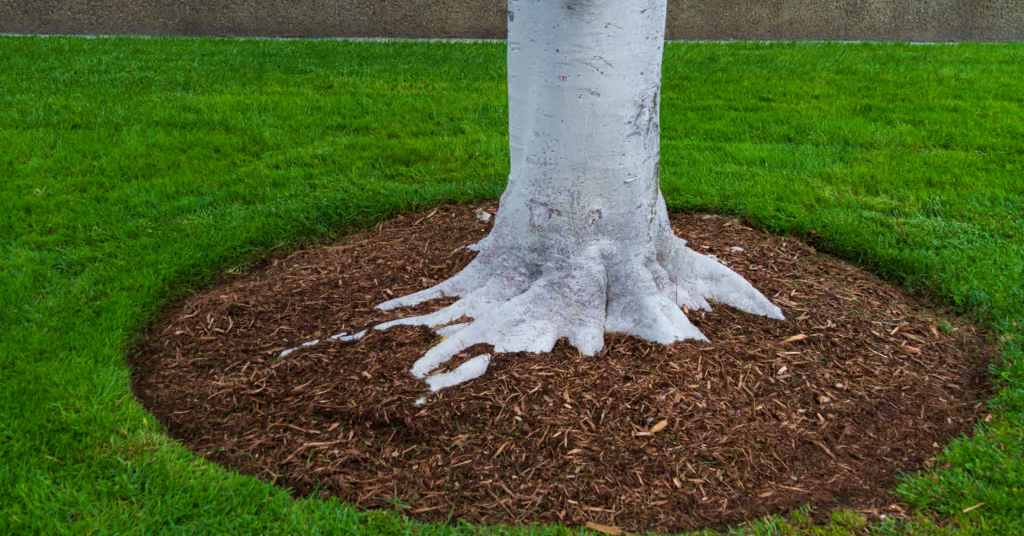
Mulching around tree bases can deter root spread by creating a barrier that discourages lateral roots growth. Regular watering can prevent roots from seeking water elsewhere, reducing their invasiveness. Root pruning is another useful way to control roots near buildings. It helps limit root spread around key structures. Done correctly, it maintains tree health while protecting your property.
Consistent maintenance is key to managing existing root systems and preventing future problems. A proactive tree maintenance plan ties everything together, reducing root problems while protecting both your trees and your home over the long term. By implementing these non-invasive solutions, you can create a harmonious environment for both your trees and your home.
Root Barriers and Other Physical Deterrents
Installing root barriers is an effective way to redirect growth away from structures and protect your property. Trench barriers provide long-term protection against root intrusion, making them an excellent investment for homeowners concerned about root-related damage.
Physical deterrents work best when installed during tree planting, as they can guide plant roots growth from the start. Consulting professionals for optimal barrier placement and installation can ensure the best results and long-term protection.
Choosing the Right Trees for Your Yard
Selecting the right trees for your yard is crucial to prevent root-related issues and maintain a beautiful landscape. By choosing tree species with non-invasive roots, you can enjoy the benefits of trees without the headaches.
Recommended Trees with Non-Invasive Roots
Dogwoods are known for their non-invasive root systems, making them an ideal choice for residential landscapes. Japanese maples offer beauty and shade without root-related issues, while Eastern redbuds provide vibrant color with minimal root disruption. Crape myrtles are another excellent choice, providing stunning blooms and manageable root systems.
If you want a blooming deciduous tree, pick a magnolia or similar type. Make sure it fits your soil and lot size. By selecting these tree species, you can create a garden that enhances your property without compromising its stability.
How to Plan Tree Placement to Avoid Future Issues
Planting trees at a safe distance from structures and utilities is essential to prevent future root issues. Consider the mature size of the tree before you plant it. Larger trees usually develop wider root systems. Greater root spread can increase the risk to foundations and hardscapes. Good placement reduces future impact on your property.
For overhead clearances and utility setbacks, see which trees stay safe near power lines.
Consulting local experts can provide valuable insights into optimal tree locations and help you future-proof your landscape. By choosing appropriate planting sites, you can enjoy the benefits of trees while minimizing the risks associated with invasive roots.
Professional Help: When to Call an Arborist
Sometimes, dealing with invasive tree roots requires the expertise of a professional arborist. These experts can offer advice and solutions tailored to your needs. They help protect your property from root damage. They also support the long‑term health and stability of your trees.
Arborists offer expert advice on tree health and management, helping you navigate complex root issues. When physical deterrents or non-invasive solutions prove insufficient, certified arborists can provide more advanced interventions to address the problem. Their timely assistance can prevent widespread damage and maintain the integrity of your property.
If you are dealing with ongoing root issues or complex tree questions, contact a professional arborist. They can inspect your site in person and give clear guidance on next steps. Their expertise can make all the difference in maintaining a healthy and harmonious landscape.
Preventative Measures to Protect Your Property from Invasive Roots
Taking preventative measures is key to protecting your property from invasive tree roots. By incorporating regular maintenance and monitoring practices into your routine, you can minimize the impact of root-related issues.
Regular Yard Maintenance Tips

Routine inspections help detect early signs of root problems, allowing you to address them before they escalate. Consistent pruning encourages healthy, controlled growth, reducing the risk of invasive root behavior. Removing debris from your yard reduces moisture that attracts invasive roots, promoting a balanced and healthy landscape.
When removing an old tree, handle the stump correctly. This prevents decaying roots from affecting new plants or hardscapes. By incorporating these maintenance practices into your routine, you can create a yard that thrives without the threat of root-related damage.
Monitoring and Pruning Techniques
Monitoring tree health is essential to prevent aggressive root behavior. Regular pruning of branches and roots helps direct growth away from structures and maintain a balanced landscape. Using proper tools ensures clean cuts and healthy regrowth, supporting tree health and stability.
Scheduled pruning maintains tree shape and root control, preventing issues before they arise. By staying proactive in your tree care practices, you can enjoy a beautiful and safe yard.
Long-Term Planning for a Root-Free Property
Incorporating root management into your landscaping plans is essential for long-term property protection. Choose trees with root systems compatible with your property, and plan for future growth and potential root expansion. By considering these factors, you can create a landscape that enhances your property’s beauty without compromising its stability.
Long-term strategies can protect your home and yard. Paired with good root management, storm‑proofing your trees helps prevent wind and saturated soil from turning a marginal root system into a toppled tree. They also support a more harmonious environment. You can enjoy the benefits of trees for many years. Smart planning helps you avoid the headaches of invasive roots.
In summary, dealing with invasive tree roots requires a combination of knowledge, vigilance, proactive measures and help from professionals. You can avoid many problems and still enjoy your yard. Learn which trees to avoid near your home. Watch for early signs of root or foundation damage. Use proven strategies to manage roots safely. This protects your property and keeps your landscape beautiful.
Protecting your home from invasive tree roots starts with the right partner. If you’ve noticed cracks, plumbing issues, or trees planted too close to structures, don’t wait for minor concerns to turn into major repairs—reach out to a trusted tree service in Hillsboro for a professional assessment and tailored solutions. A skilled team can help you identify risky root systems, recommend the safest next steps, and keep your landscape healthy, attractive, and structurally safe for years to come.
Areas We Serve
Roots and rules vary block by block. Our area hub pages show how we work in each community—local know‑how, common site issues, and practical approaches—so you can see how we tackle problems like yours close to home.