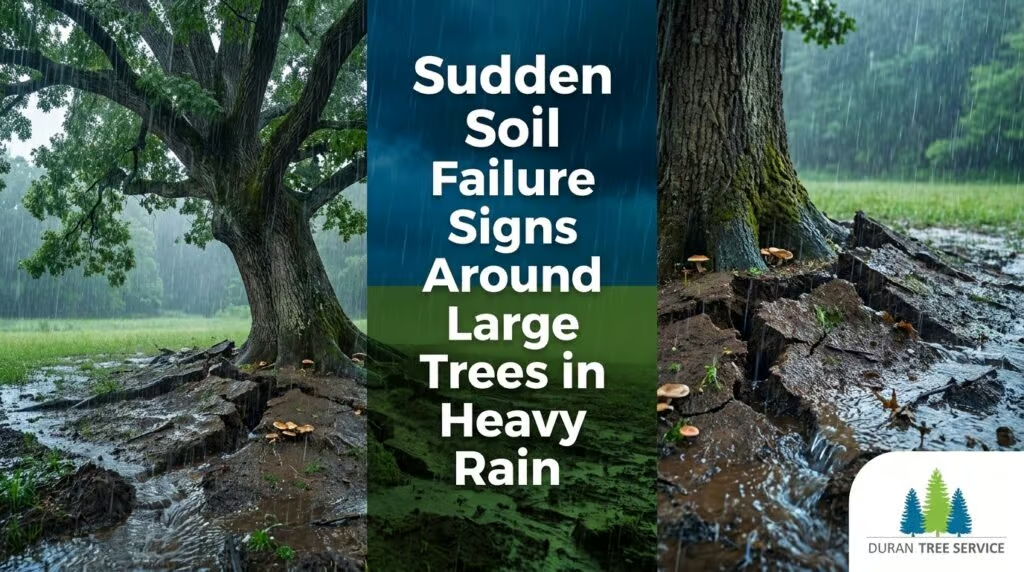
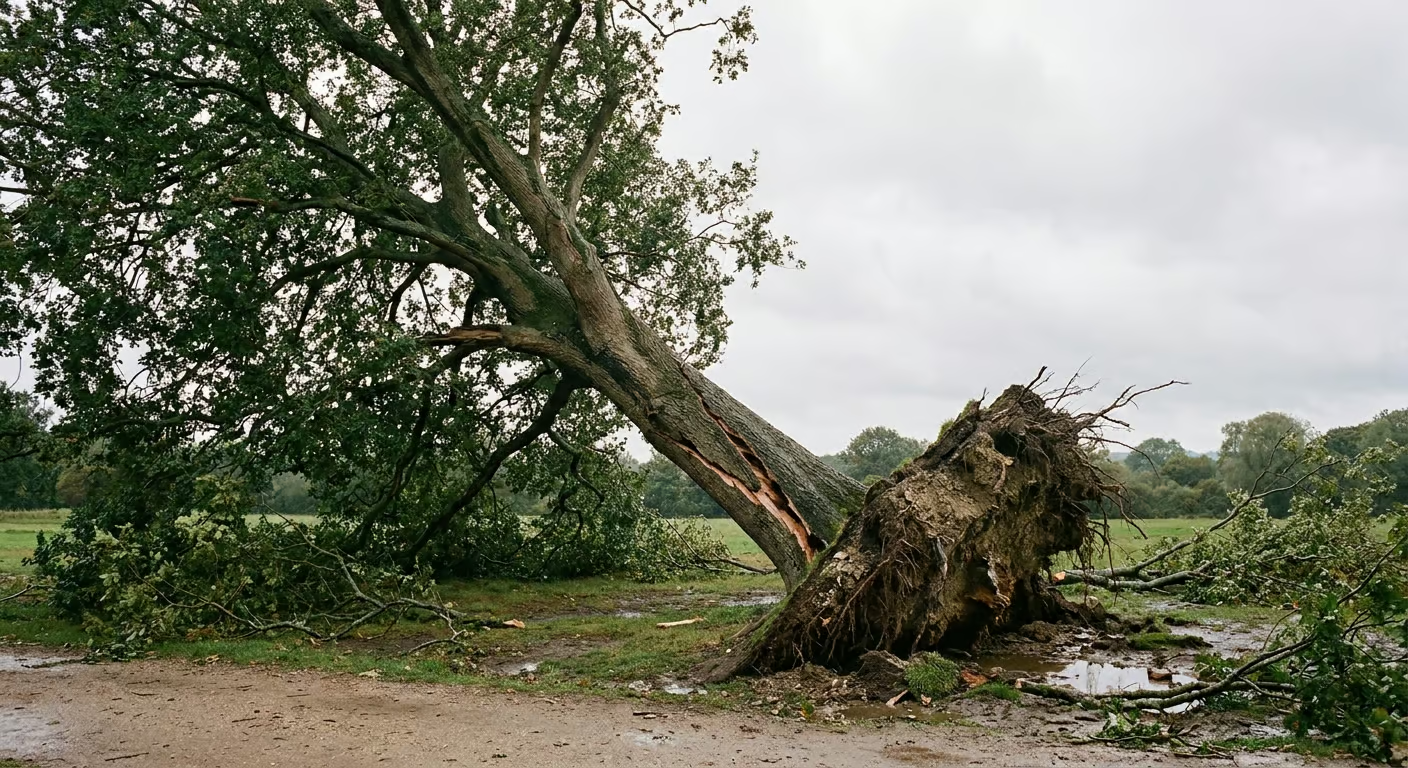
During prolonged heavy rain, the soil around large trees can fail suddenly, long before the trunk starts to move. Recognizing the signs of sudden soil failure around large trees during the heavy rainy season can give you time to clear people and property from the danger zone.
We watch for specific changes at ground level: cracks, lifting soil, a new lean, fungal growth, and waterlogged roots. Each sign points to a different stage of root plate failure, and some require immediate action.
Cracks in the Soil Around the Tree Base
Understanding Soil Cracking Patterns
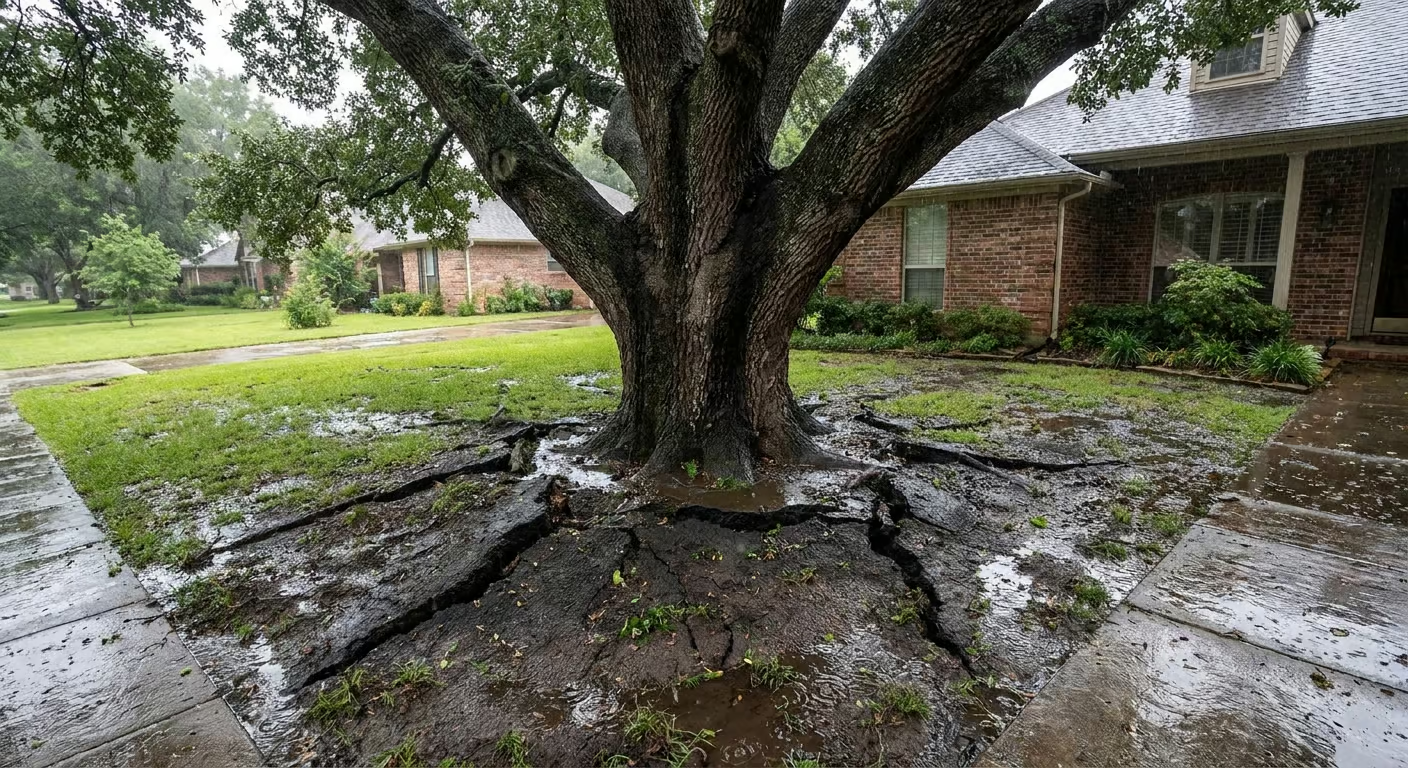
Subtle cracks in the soil around a large tree are often the first visible sign that the root plate is starting to move. As wind pushes against the crown, the root mass can rock back and forth, pulling the surrounding soil apart. Even hairline cracks that follow a curved or radial pattern around the trunk deserve attention.
We regularly look for two types of cracking: shallow surface cracks from soil drying between rain events, and deeper, open cracks that stay visible during wet weather. The second type is more concerning because it indicates the tree is actively lifting or shifting its root plate.
- Radial cracks that extend outward from the trunk base suggest root plate rotation.
- Concentric cracks that form a partial ring around the tree can mean the entire root mass is lifting on one side.
- Widening cracks after a storm are a clear signal to keep people away and seek a professional assessment.
If the cracks are new, deeper than a half-inch, or increasing after each rainfall, treat the tree as unstable until an arborist can evaluate it.
Heaving or Lifting of Soil
Signs of Root Plate Uplift
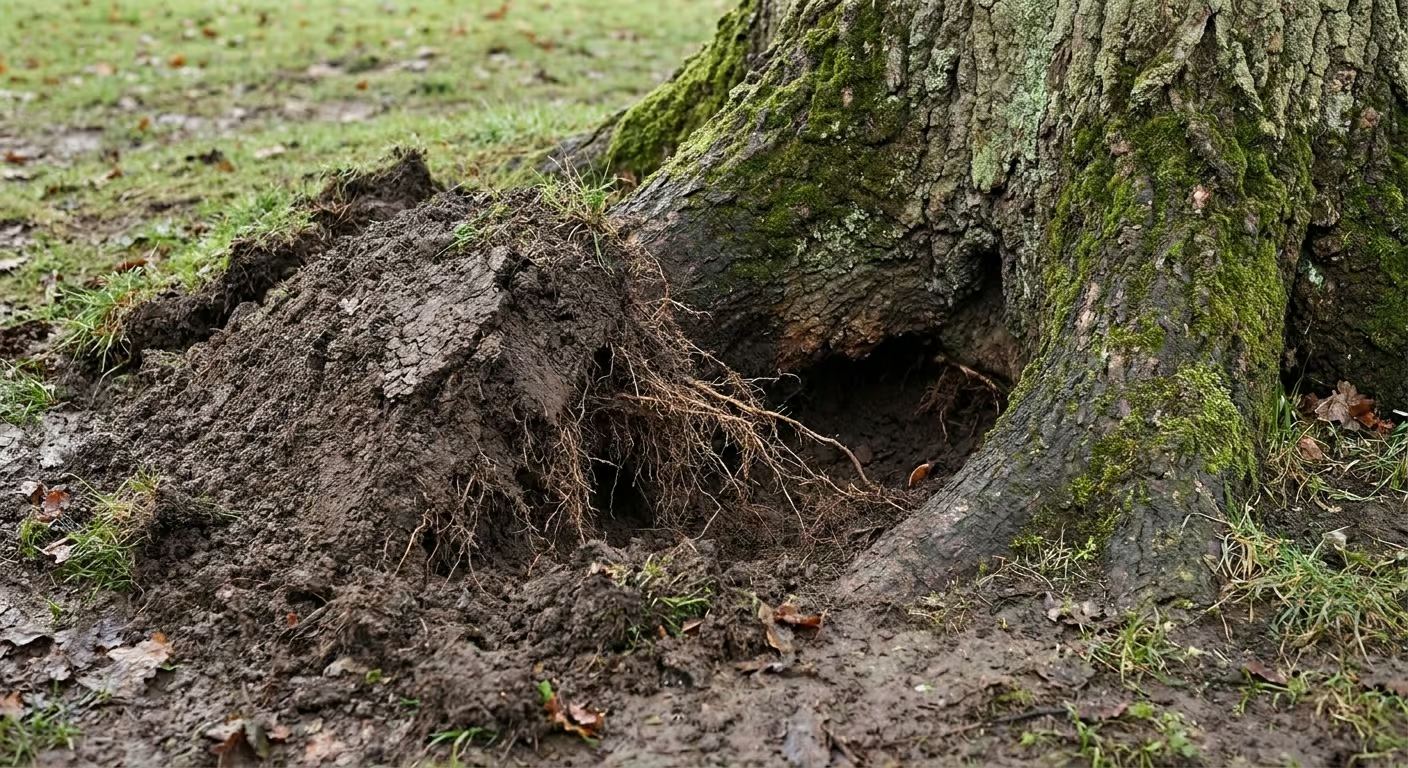
Heaving soil is a more advanced sign than cracking. You may see the ground bulging upward on one side of the tree, often with a visible gap appearing between the soil and the base of the trunk. This happens when the root plate is no longer firmly anchored and begins to tilt.
In our experience, heaving is most common after several days of heavy rain, especially when clay-rich soil becomes saturated and heavy. The added water weight and reduced soil strength allow the root ball to shift under wind load.
- A raised mound of soil on the windward side of the tree often precedes a fall in the opposite direction.
- Freshly exposed roots near the surface can indicate the soil has lifted away from the root system.
- If you can see daylight under the root plate on one side, the tree is in an advanced stage of failure.
Do not push the soil back down or step on the lifted area; that can add pressure and trigger a sudden collapse.
Sudden Leaning of the Tree
Distinguishing New Lean from Established Growth Direction
A large tree may have a natural lean from years of growing toward light or away from a structure. That kind of lean is stable and rarely changes during a single season. What concerns us is a sudden or worsening lean, especially after heavy rain.
To tell the difference, we look for recent changes. A new lean often appears with fresh soil cracks or lifting on the side opposite the lean. If the tree leaned gradually over years, the soil around the base usually remains undisturbed. A sudden lean, however, is usually accompanied by fresh ground movement.
- Compare the angle of the trunk to a fixed vertical reference, such as a building corner or fence post, over a few days.
- Look for a fresh gap between the trunk flare and the soil on the side the tree is leaning away from.
- Any lean that appears or increases noticeably after a heavy rain event is a red flag.
A tree that has reached a dangerous angle or that continues to move needs a risk assessment from a certified arborist before the next storm.
Mushrooms or Fungal Growth at the Base
Common Decay Fungi and What They Reveal
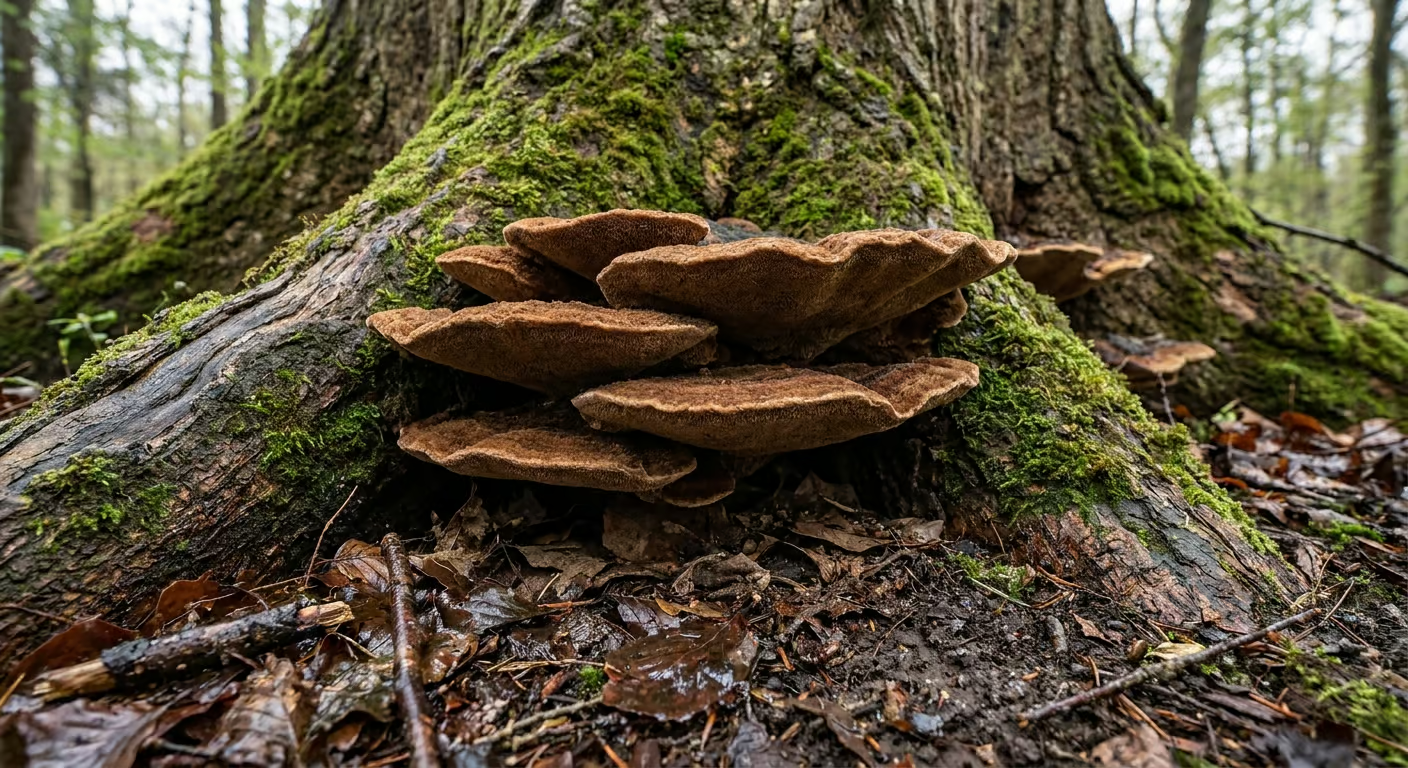
Fruiting bodies at the base of a tree—often shelf-like conks or clusters of mushrooms—are not always an immediate danger, but they are a sign that decay is active in the roots or lower trunk. Decay weakens the structural wood that anchors the tree, making soil failure more likely during heavy rain.
We pay close attention to fungi that grow directly from the root flare or on exposed roots. These organisms feed on dead or dying wood, and their presence means the tree is losing internal strength even if the canopy still looks green.
- Woody shelf fungi on the lower trunk or root flare often indicate extensive internal decay.
- Clusters of mushrooms around the base can be a sign of root rot fungi.
- Any fungal growth combined with cracks, heaving, or lean raises the level of concern significantly.
Fungal decay cannot be reversed. Once it has compromised the root plate, even moderate wind or saturated soil can cause the tree to uproot.
Waterlogged or Oversaturated Roots
Visual Clues of Root Suffocation
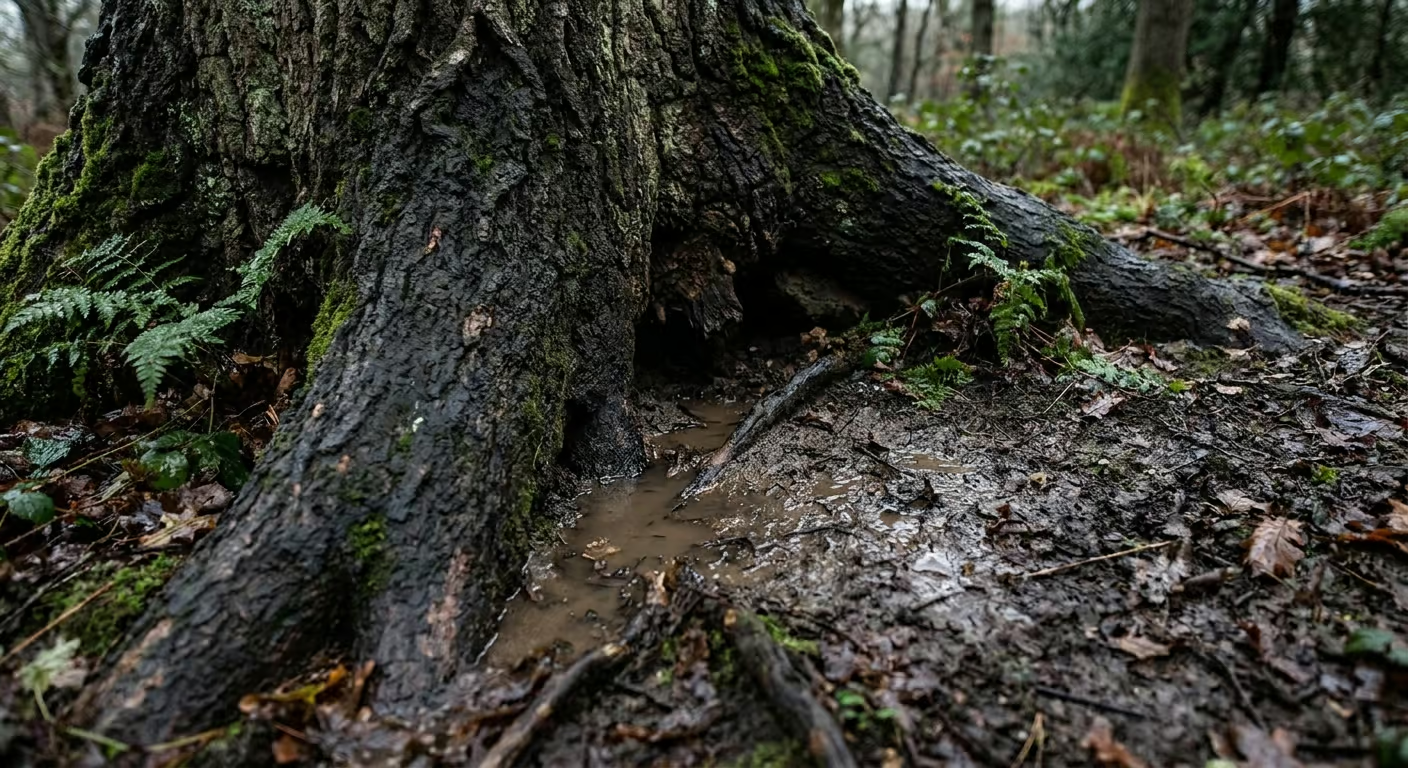
Tree roots need oxygen to survive. When soil stays saturated for days after heavy rain, the air spaces fill with water and roots begin to suffocate. Over time, this weakens the root system and makes the tree much more likely to fail during a storm.
Persistent puddles around the base, a sour smell from the soil, and algae or moss growing on the ground surface are all clues that the root zone is not draining. Clay-heavy soil holds water longer and increases the risk of root decline.
In our emergency response work, we have responded to more than 150 storm-related calls involving large trees, many of which showed these waterlogged-root signs before failing. That experience drives us to treat any persistent soil saturation as a serious warning.
- Water that remains pooled for more than 24 hours after rain stops indicates poor drainage.
- Soil that stays spongy underfoot well after the rain has ended may be saturated deep into the root zone.
- Yellowing or thinning leaves in the lower canopy can accompany root decline from oversaturation.
If the ground around a large tree does not dry out between storms, have the site assessed for drainage and root health.
Movement at the Base of the Tree
Testing for Root Plate Instability
Any perceptible movement at the base of a large tree is a critical sign. In high winds or after heavy rain, you may see the trunk shift slightly where it meets the soil. Sometimes you can feel a subtle rocking if you place your hand on the lower trunk during a gust—but we do not recommend standing close enough to test that.
Movement means the root plate is no longer locked into the surrounding soil. The tree may still appear upright, but it can fail without warning, especially under additional rain load or wind. This is the stage where we tell property owners to keep everyone clear and call for an urgent professional assessment.
- Visible shifting of the trunk base during wind is a warning to evacuate the area immediately.
- A gap that opens and closes between the trunk and soil indicates active rocking.
- Soil that “breathes” or moves as the tree sways shows the root plate is failing.
Do not attempt to brace or tie a tree showing base movement. Leave that to a certified arborist with the right equipment and training.
When to Consult a Certified Arborist
Prioritizing Safety During Heavy Rain Seasons
Early detection of soil failure signs gives you the best chance to remove or stabilize a hazardous tree before it falls. During heavy rain seasons, the window between the first soil cracks and complete uprooting can be short—sometimes only a few days.
If you notice any combination of cracks, heaving, a new lean, fungal growth, waterlogged soil, or movement at the base, treat it as an urgent situation. A certified arborist can perform a root plate assessment, evaluate the tree’s structural integrity, and recommend the safest course of action.
We prioritize these calls because the risk to people and property is high. When you report visible movement or a fresh lean, we can help you determine whether the tree can be saved or needs to be removed before the next heavy rain.
If you have any doubts about a large tree on your property after heavy rain, contact us for a risk assessment. A quick professional look at the base can prevent a serious failure later.
When removal is the safest option near homes, see how professionals dismantle large trees in tight spaces without damaging structures.
Areas We Serve
Heavy rain plays out differently across our area, and so do soils and tree roots. Our area hubs bring together what’s relevant in each place we work—local details, timing, and access—so you can check coverage near you and plan safely.