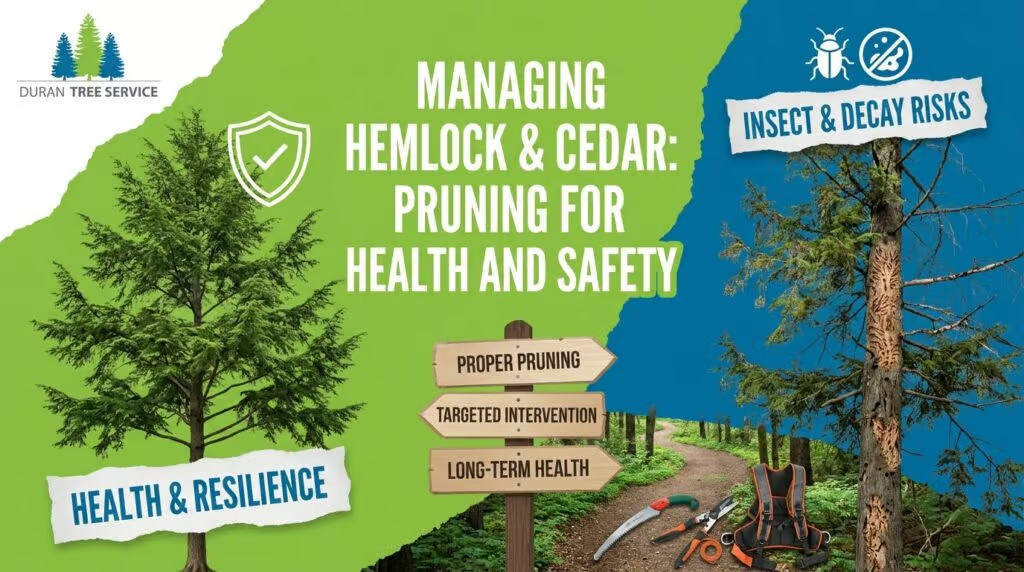
Hemlock and cedar trees are pillars of our coastal forests, but they face mounting stress from insect outbreaks, drought, and structural decay. Pruning is not simply about shaping a tree—it is a targeted intervention that can extend a tree’s life, reduce failure risk, and improve its resilience against pests and fire. We approach every hemlock and cedar with an understanding of how these species respond to cuts, because an improper pruning wound can become an entry point for decay.
The key to safe, healthy hemlock and cedar is knowing when to prune, how much live tissue to remove, and which branches actually pose a risk. In the sections that follow, we outline the practical guidelines we use in the field: from permit requirements and pruning cuts to pest outbreaks and old-growth preservation.
Understanding Tree Protection Bylaws and Permit Requirements
Before any cutting begins, you need to know what your local tree protection bylaws allow. Many municipalities protect hemlock and cedar trees above a certain trunk diameter, and even pruning may require a permit if the tree is on public land or within a protected zone. We always check the current bylaws for the property before recommending any work.
When a Permit is Required for Pruning or Removal
Generally, a permit is triggered when a tree exceeds a minimum diameter at breast height (DBH), often around 20 cm, or when the tree is located in an environmentally sensitive area. Pruning that removes only dead, diseased, or hazardous branches may be exempt, but any live branch removal beyond maintenance may require approval. For hemlock and cedar, which can grow very large, even a small pruning project can fall under permit rules.
How to Navigate the Application Process
We prepare the necessary arborist reports, tree risk assessments, and site plans that local governments ask for. The process usually involves submitting an application, paying the required fees, and waiting for an inspector to visit. We recommend starting early because permit review can take weeks, and pruning during an active pest outbreak may have additional restrictions.
Consequences of Non-Compliance with Tree Bylaws
Cutting a protected tree without a permit can lead to significant fines, stop-work orders, and even requirements to plant replacement trees. More importantly, unauthorized pruning can damage a tree irreversibly, making it more prone to failure. When in doubt, we always verify the rules before a saw touches wood.
Pruning Best Practices for Hemlock and Cedar Trees
Both western hemlock and western red cedar have thin bark and relatively shallow root systems, which makes them sensitive to poor pruning. The goal is always to remove only what is necessary and to make cuts that seal quickly without trapping moisture.
Proper Pruning Cuts and Timing for Hemlock and Cedar
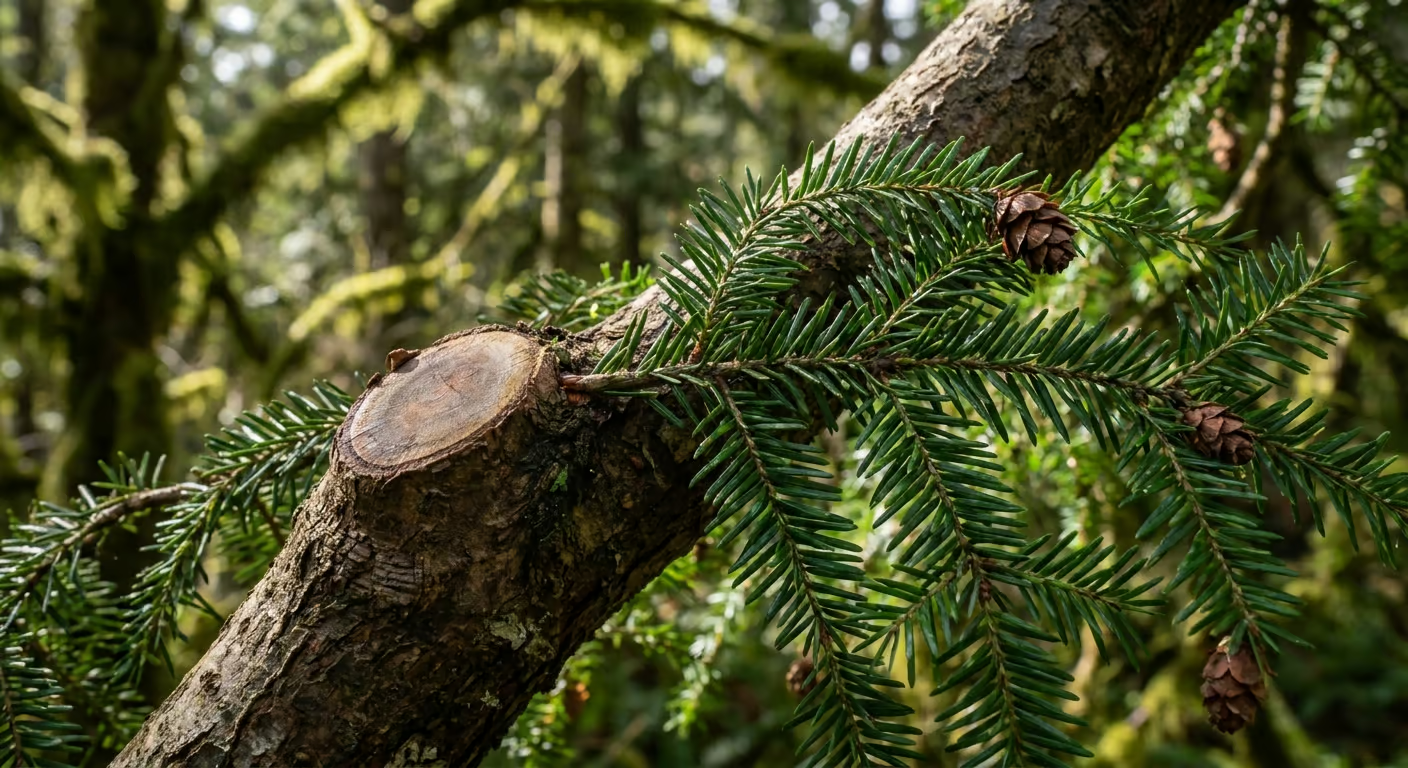
A correct pruning cut is made just outside the branch collar, never flush with the trunk and never leaving a long stub. This allows the tree to compartmentalize the wound. For hemlock, late winter to early spring is ideal because the tree is dormant and pests are less active. Cedar can be pruned in dry summer months, but we avoid heavy pruning during drought because the tree needs all its foliage to manage water stress.
Tools and Techniques to Minimize Stress and Disease
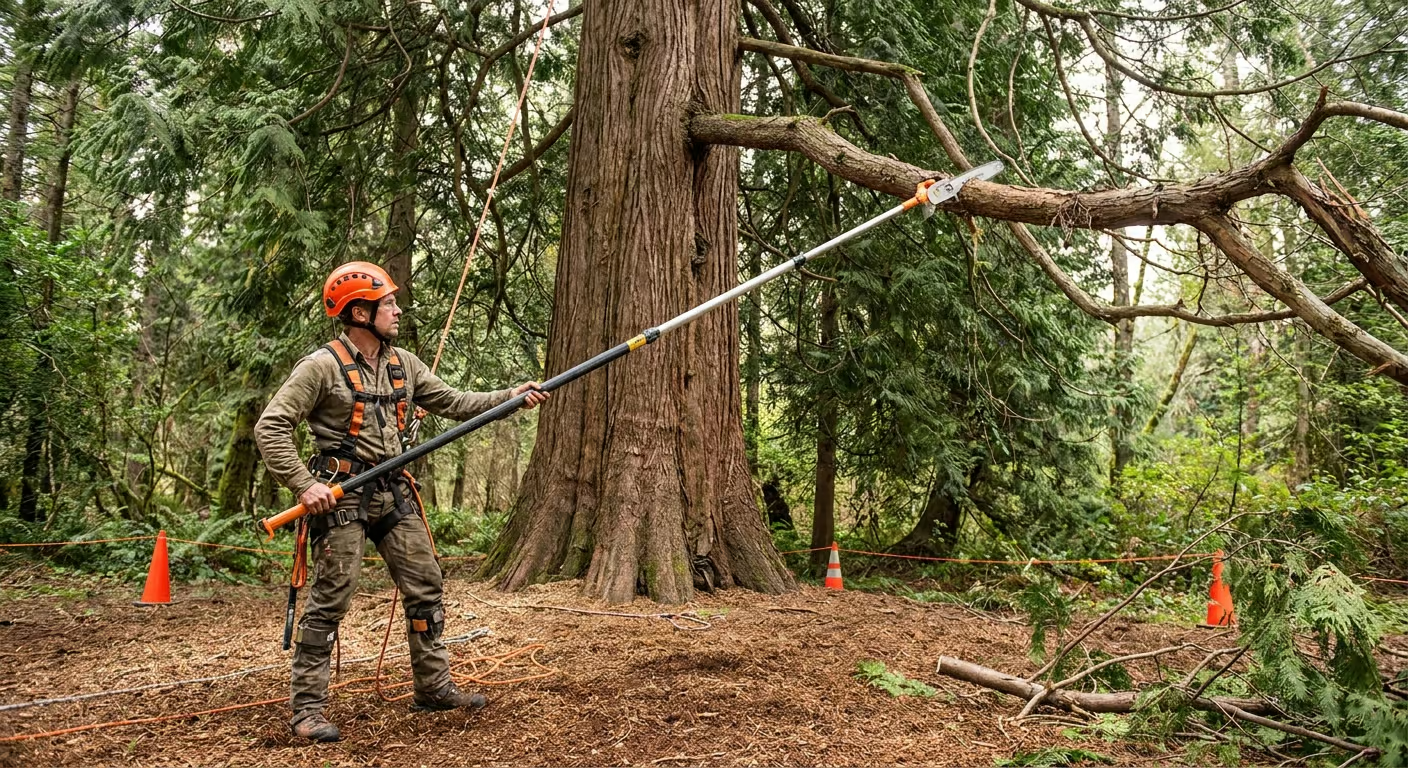
We use sharp, sanitized hand saws and pruners for small cuts and rope-access techniques for high branches. Disinfecting tools between cuts, especially when dealing with cankers or infected tissue, prevents spreading pathogens. We never use climbing spikes on live trees because the puncture wounds create permanent entry points for decay fungi.
Pruning Young vs. Mature Trees: Differences in Approach
Young hemlock and cedar benefit from structural pruning: removing co-dominant stems, crossing branches, and weak attachments early prevents future failures. Mature trees, however, should only have dead, damaged, or hazardous branches removed because removing large live limbs reduces their photosynthetic capacity and can trigger decline.
Managing Hemlock Looper Moth and Other Pests
Hemlock looper outbreaks can strip a tree of its needles in a single season, and repeated defoliation often kills even large hemlocks. Cedar faces fewer aggressive defoliators but can be attacked by bark beetles and root pathogens when stressed. Integrated pest management starts with accurate identification.
Identifying Signs of Hemlock Looper Infestation
Look for thinning crowns, chewed or missing needles, and fine webbing on twigs. In heavy infestations, you may see greenish or brown looper caterpillars hanging from silk threads. Frass (insect droppings) accumulates on lower branches. Early detection is critical because by late summer the damage is already done.
Integrated Pest Management Strategies for Hemlock and Cedar
Because broad-spectrum pesticides harm beneficial insects like parasitic wasps, we focus on cultural controls: maintaining tree vigor through deep watering during drought, mulching to improve soil health, and removing heavily infested branches if they pose a hazard. Encouraging natural predators by preserving nearby native vegetation can also reduce looper populations over time.
Preventative Pruning to Reduce Pest Habitat
Thinning dense inner crowns increases air circulation and sunlight penetration, which makes the microclimate less favorable for looper larvae and fungal pathogens. We prune out dead and weak branches that might harbor overwintering eggs or serve as entry points for secondary pests. However, we never remove more than 15–20% of live foliage in a single year.
Identifying Hazardous Hemlock and Cedar Trees: When to Prune or Remove
Even a healthy-looking hemlock or cedar can hide structural weaknesses that only become apparent during a storm. Knowing what to look for helps property owners decide whether pruning is enough or whether the tree needs to come down.
Visual Indicators of Structural Weakness and Decay
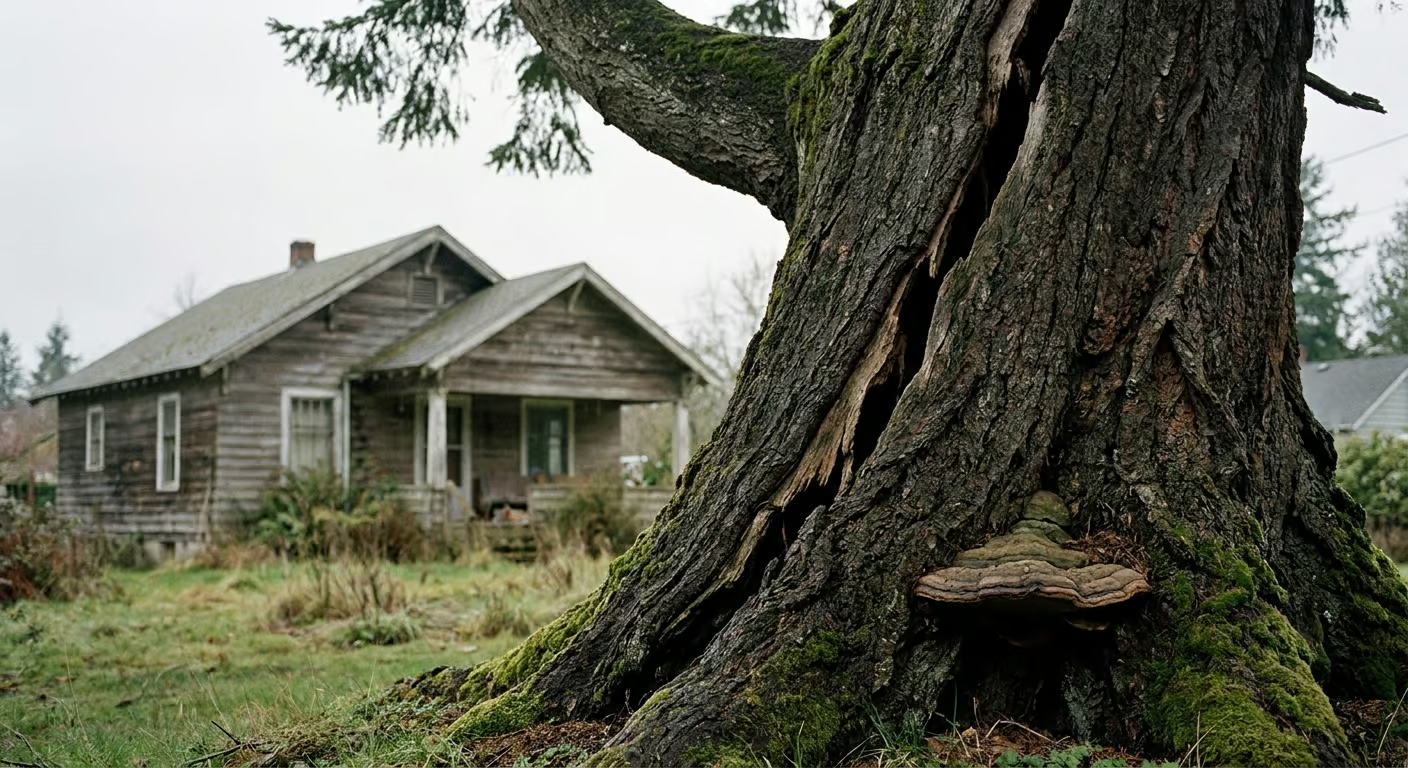
Deep cracks in the trunk, large dead branches overhanging structures, fungal conks (shelf mushrooms) on the stem, and heaving soil at the base are all red flags. Cedar can have extensive internal decay without much external sign, so we pay close attention to subtle indicators like resin flow or bark discoloration.
Assessing Risk: When Pruning is Not Enough
If a tree has lost more than 50% of its crown, has a significant lean with exposed roots, or shows advanced root rot, pruning will not make it safe. In those cases, removal is the only responsible option. We evaluate the target—what the tree could hit if it failed—and the likelihood of failure to help you make an informed decision.
Working with Certified Arborists for Hazard Evaluation
A certified arborist can use resistograph or sonic tomography to measure internal decay and give a quantitative risk rating. We bring more than a decade of direct experience with hemlock and cedar to every hazard evaluation, which helps us distinguish between recoverable decline and irreversible structural failure.
Special Considerations for Pruning Old-Growth Hemlock and Cedar Trees
Old-growth hemlock and cedar are irreplaceable. They can be centuries old, with complex branching, thick bark, and wildlife habitat in every cavity. Pruning them requires a different mindset than working on landscape trees.
Unique Challenges of Pruning Old-Growth Specimens
Old trees have slower wound closure and may not tolerate the removal of large live limbs. Their branches can be massive and difficult to access, requiring rigging systems that avoid damaging surrounding vegetation. We often use crane-assisted removal of deadwood if the tree is near a trail or structure.
Minimizing Impact on Tree Health and Longevity
We limit cuts to dead, broken, or dangerous limbs and preserve all live foliage unless it is creating an immediate hazard. Cuts are made at the branch collar, and we never top an old-growth tree because the resulting wounds never fully heal and initiate a spiral of decline.
Preserving Ecological and Habitat Value
Old trees support lichens, mosses, cavity-nesting birds, and small mammals. Before pruning, we map active nests and roost sites and schedule work outside nesting season. When possible, we leave dead limbs that do not pose a risk as wildlife snags, only removing what is necessary for safety.
Reducing Wildfire Risk Through Strategic Pruning
In fire-prone areas, hemlock and cedar can become a liability if they have low branches and accumulated deadwood. Strategic pruning reduces the chance of a ground fire climbing into the canopy.
Creating Defensible Space: Pruning Lower Branches and Thinning
We raise the lower canopy to at least 2–3 meters from the ground and thin dense crowns so that flames cannot easily jump from shrubs to branches. For larger properties, we create separation between individual trees to slow fire spread.
Removing Deadwood and Ladder Fuels
Dead branches, dried needles, and twig litter act as ladder fuels that carry fire upward. We remove all deadwood within reach and prune back branches that overhang roofs or decks. Keeping the area under the tree clear of debris is a simple but effective measure.
Maintaining Tree Vigor to Resist Fire Damage
A well-watered, healthy tree with adequate root space is more likely to survive a low-intensity fire. We recommend deep, infrequent watering during dry spells and mulching to retain soil moisture, which also reduces drought stress that makes trees more flammable.
Cultural Heritage Preservation in Hemlock and Cedar Tree Pruning
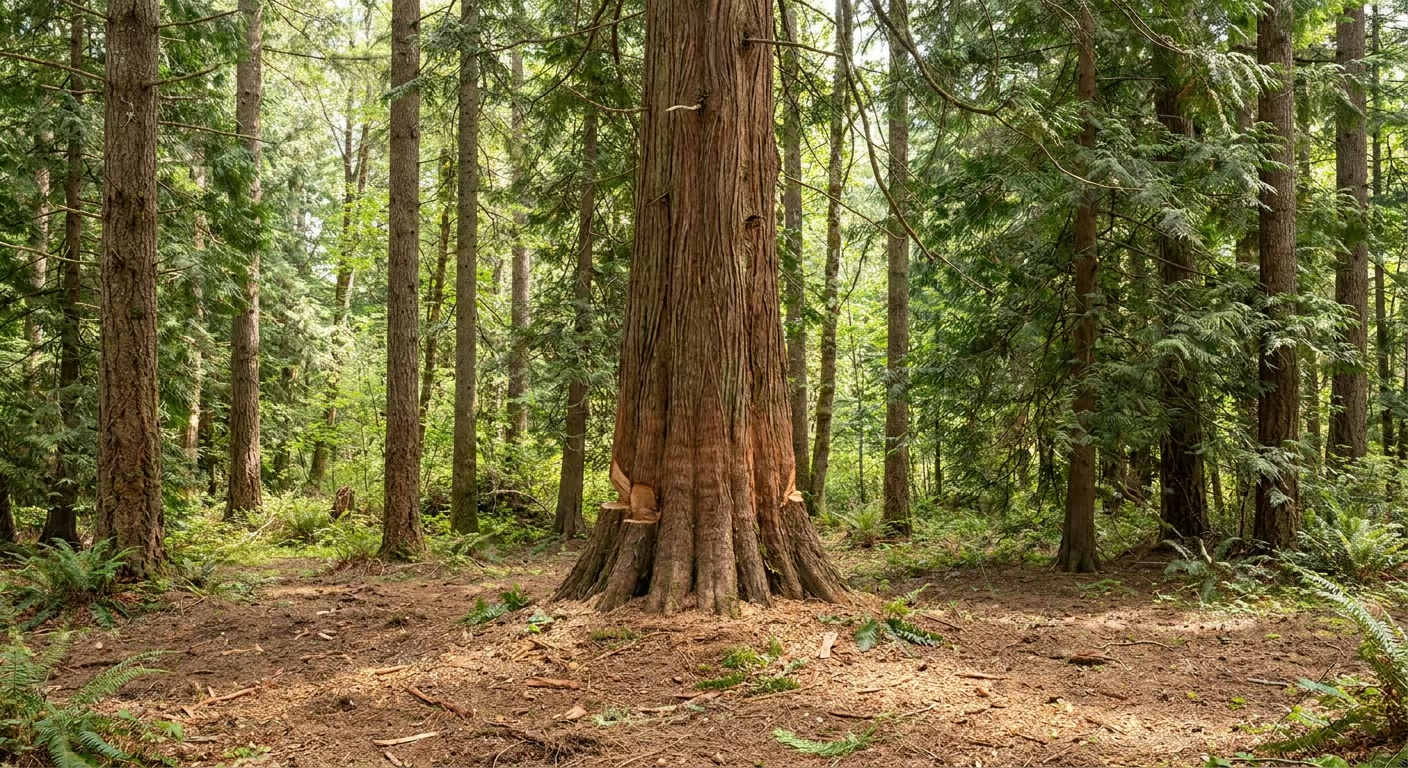
Many old cedar and hemlock trees bear the marks of Indigenous use: bark-stripping scars, plank removal, or cut marks that are hundreds of years old. These culturally modified trees (CMTs) are living archives and must be treated with respect.
Recognizing Culturally Modified Trees and Their Significance
CMTs often show smooth, scarred areas where bark was harvested, or rectangular notches where planks were removed. These features are not wounds to be “fixed” but cultural artifacts protected by heritage legislation and Indigenous law. If you suspect a tree is culturally modified, do not cut it.
Consulting with Indigenous Communities Before Pruning
We consult with local First Nations before any work on old-growth trees in areas known to have cultural value. This may involve an archaeologist or cultural monitor on site. The goal is to understand which trees are significant and which pruning actions would cause harm to the cultural feature.
Balancing Modern Pruning Needs with Heritage Protection
When a CMT also poses a safety risk, we work with the community to find solutions that preserve the cultural values—such as cabling a weak branch instead of removing it, or only removing the minimum deadwood necessary. Heritage protection and safety are not mutually exclusive when you plan carefully.
If you have a hemlock or cedar tree that needs assessment for pruning, pest, or hazard concerns, contact us to schedule an evaluation. We’ll help you understand what your tree needs and what your local bylaws require.
Coastal storms expose weak structure; learn how pruning reduces windthrow risk and the timing that holds up best.
Areas We Serve
Permits, setbacks, and environmental overlays differ by jurisdiction, and so do site pressures on hemlock and cedar. The area hubs below show where we work and outline local context—regulations, access constraints, and timing windows—to help plan compliant, low-impact pruning.