For many property owners, a tree is more than just part of the landscape; it is a long-standing asset that offers shade, beauty, and value. This article serves as a practical guide for understanding support options and improving tree safety when a tree shows signs of instability. However, nature is rarely perfect. Trees can develop structural issues such as co-dominant stems (two trunks competing for dominance), heavy leaning due to wind exposure, or cracks in major crotches.
These problems can affect many trees over their lifespan. When these issues arise, the immediate reaction might be to cut the tree down. However, professional arborists often turn to a sophisticated alternative: structural support. If you are worried about a visibly leaning trunk or branches angling toward your home, our detailed guide on what to do about a tree leaning toward your house explains how arborists assess risk and decide when reinforcement or removal is the safest option.
Tree bracing is a specialized arboriculture practice that adds support to a tree’s structure. It helps protect tree health while reducing the risk of failure and keeping the tree a healthy part of your property.
The Purpose of Bracing for Tree Health
The main goal of bracing is not to “fix” a tree or heal a wound. It provides added support that reduces stress on weak points and helps maintain long-term structural integrity. When a tree leans or has a weak structure, gravity and wind can exceed the wood’s load capacity.
Bracing systems redistribute these forces using modern support systems. In snow or wind, weak unions share the load with bracing and stronger wood. This intervention is critical for limiting the range of movement. By limiting how far a leaning trunk or heavy branches can move, the system helps prevent further fiber tearing. This stabilizes the tree against harsh weather such as strong winds and heavy snow common in North American climates, including events driven by high winds.
In many assessments, arborists also look closely at the overall tree structure to determine where reinforcement will deliver the most benefit. Before recommending any bracing system, arborists also look for signs of decay or infection in the trunk, roots, and canopy, and our guide on how to identify tree disease can help you understand the health issues that may affect whether a tree is a good candidate for structural support.
If you’re unsure whether decline or disease is present, use these five checks to spot a dying tree before investing in support.
Types of Bracing: Support Systems
Arborists generally categorize support systems into two disciplines based on how rigid the support needs to be. The choice between them depends heavily on the age of the tree, the severity of the defect, and the tree’s potential for future growth.
Dynamic Bracing Techniques Used by Professional Arborists
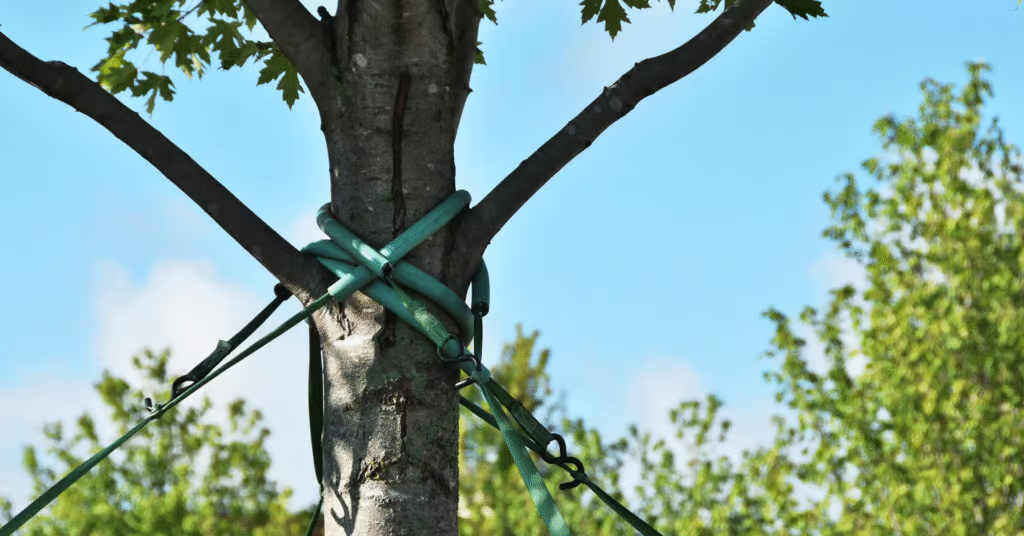
Dynamic bracing is often described as a proactive measure, ideal for younger trees or trees with structural potential that hasn’t yet failed. These systems typically use high-strength, UV-resistant synthetic ropes made from flexible materials rather than steel, and they can be selected to match the needed strength.
The philosophy behind dynamic bracing is to allow the tree to move naturally. Trees are living organisms that react to stress; when a tree sways in the wind, it builds “reaction wood” to strengthen itself in response to that movement.
A dynamic system is installed with a slight amount of slack, engaging only during extreme weather events to prevent hyperextension. This allows the tree to continue building its own structural tissue while having a safety net during severe storms. These root systems often use slings instead of invasive drilling, so they damage tree tissues less. They also support natural growth from canopy to roots. In many cases, proper cabling can pair with dynamic setups to reduce overextension. This still allows safe movement. Targeted cabling can manage motion without over-restricting the canopy.
Static Bracing for Split & Structural Weakness
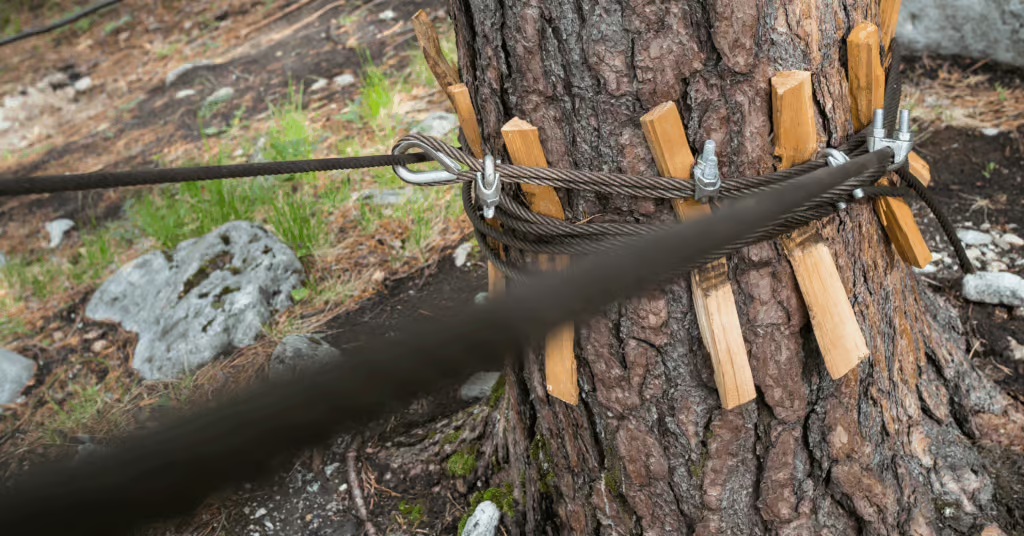
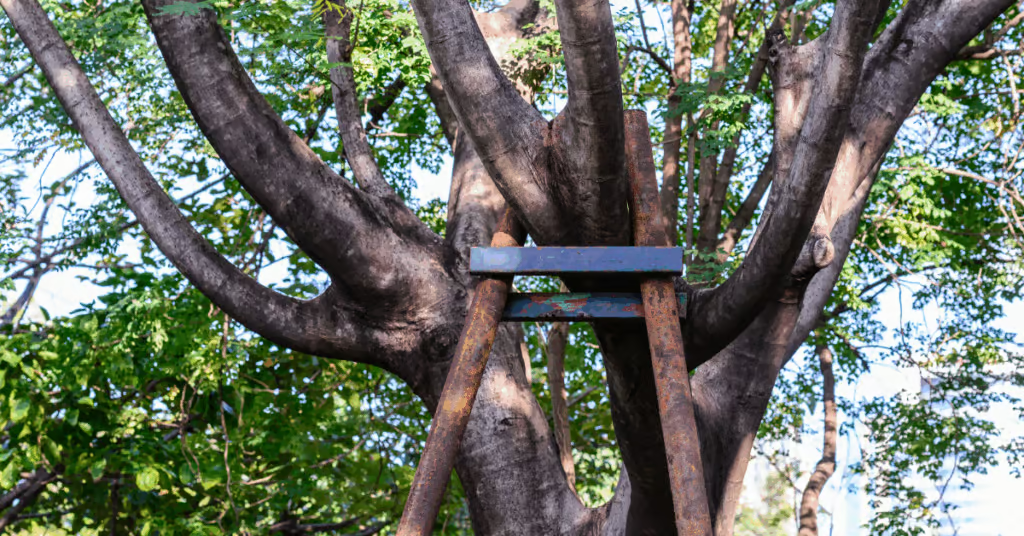
Static bracing is the “heavy duty” alternative, typically reserved for mature trees or those with existing damage, such as a visible crack or a split trunks scenario. Unlike the flexible nature of dynamic systems, static bracing uses rigid steel rods and high-tensile steel tree cables.
The goal here is to restrict movement as much as possible. If a tree crotch has already begun to split, any swaying could tear the tree apart. Static braces are often bolted directly through the trunk (using threaded steel rods) to lock a weak union in place, preventing it from opening further. This process is more invasive because it drills into the heartwood. It provides immediate support and rigid reinforcement. It also adds long-term stability to hold a large, compromised tree together.
In practice, arborists may use cabling higher in the structure to reduce sway while the rods secure the union at the point of failure. Additional cabling is sometimes added to reduce stress on key load paths. In some cases, the choice depends on where the issue is. If it is a trunk or limb, it may need rigid stabilization. If it is a union, it may strengthen with controlled movement.
For a clear look at when cabling is the right call and what it can and can’t do, see when tree cabling is necessary.
The Significance of Bracing for Risk and Weather
Opting for structural reinforcement is a significant decision that balances risk management with ecological stewardship. It transforms a potential liability into a managed asset with added support.
Safety from Storms and Heavy Snow Loads
The most immediate benefit of bracing is risk mitigation. A leaning tree or heavy limb can threaten a home, a car, or a walkway below. By installing a professional bracing system, arborists drastically reduce the likelihood of catastrophic failure affecting trees or branches near targets. No tree can be made 100% safe. But a properly specified and installed system lowers risk to an acceptable level. It helps protect people and property from gravity and severe weather.
Before winter winds and ice arrive, pre-season tree storm prep shows how inspection, pruning, and soil care cut failure risk.
If a structurally weak or unbraced tree does fail, questions about cleanup and liability can be confusing, and our article on who is responsible for removing a fallen tree explains how responsibility is typically divided between property owners and neighbors. Strategic cabling can reduce the risk of long, heavy branches breaking during storms.
Well-planned cabling can also limit sudden load shifts and reduce branch breakage. In higher-risk settings, extra cabling can also reduce the chance of falling limbs causing structural damage to roofs, fences, or parked vehicles. When planning any reinforcement, professionals consider load distribution, including how the weight of a heavy leader or lateral branch will shift under wind and snow.
Preservation
Beyond safety, bracing is a tool for heritage and environmental preservation. Large, mature trees take decades to replace. They provide substantial cooling benefits, stormwater management, and habitat for local wildlife. Removing a large tree because of a structural defect is a permanent loss of these benefits. Bracing offers a way to retain the tree’s majesty and historical value without ignoring the risks. It is a cost-effective alternative to tree removal. It honors the time and life invested in the tree. It also allows the tree to grace the landscape for future generations.
When done correctly, cabling can preserve a tree’s shape and reduce canopy stress. Supplemental cabling may also stabilize heavy lateral branches. In addition to cabling and rods, some situations call for supplemental support at key stress points to help the tree remain stable while it continues to grow.
Final Thoughts: When to Call a Tree Service
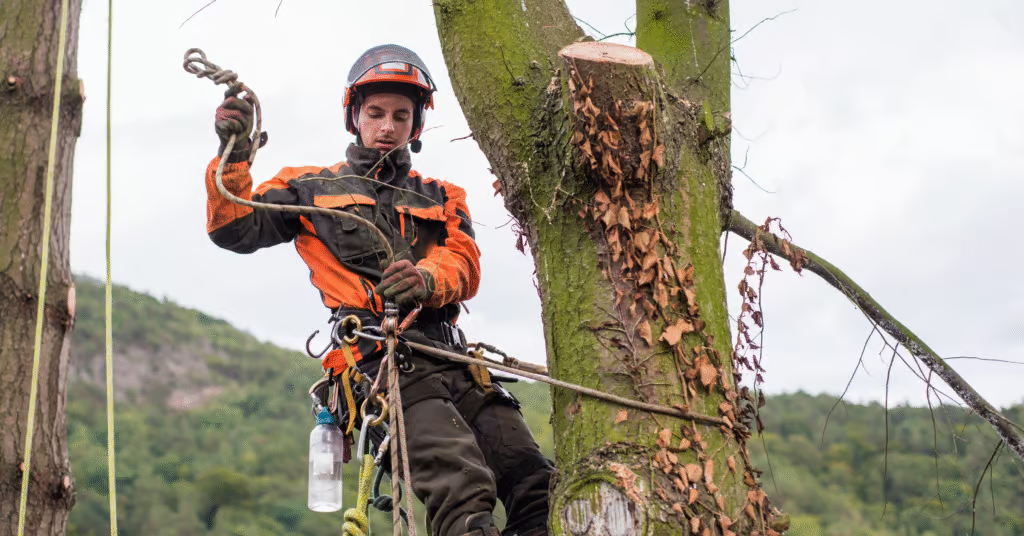
Tree bracing bridges safety and stewardship. It supports young trees with promise and mature trees with weak spots. Professional bracing can be a smart alternative to removal. In situations where bracing is not enough and removal becomes necessary, our guide on whether you need a permit to cut a tree down in Oregon outlines the rules that may apply before a hazardous tree is taken down. The choice between dynamic and static systems reflects a nuanced understanding of your tree’s condition, age, and potential for recovery. Rather than accepting loss, arborists have developed sophisticated methods and techniques to extend the life of valuable trees while protecting your property and loved ones. A reputable tree service can evaluate whether cabling is appropriate, where it should be installed, and whether other reinforcement is needed. In some cases, they may recommend extra support in addition to cabling to reduce stress on a specific union or overextended limb.
If you have concerns about a leaning or compromised tree on your property, consulting with a certified arborist is the essential first step. They can perform a tree inspection, identify risk factors, and recommend the most appropriate bracing solution for key branches. Ongoing tree care and regular inspections are also important after installation, since trees grow and conditions change over tree over time. In many cases, follow-up visits include checking tension, adjusting placement, and confirming that cabling is still supporting the structure correctly. It’s common to review past work and decide if pruning is needed. Pruning can reduce sail effect, rebalance the canopy, and lower leverage on weak unions. Once bracing or cabling is in place, targeted techniques from our guide on the 4 types of pruning can further reduce leverage on weak unions and improve overall structure over time.
Skip topping to reduce weight; tree topping risks explained covers why it increases failure and the better reduction options.
With proper monitoring and tree care, well-installed bracing can continue providing reliable support for years, and the right maintenance techniques and methods help keep the system effective. Regular inspections help arborists track how the tree responds and develops tree over time. Growth can shift stress points and change how forces move through the canopy. In addition, many bracing recommendations include verifying anchor points and cable position from ground level to ensure the system remains properly aligned and functional.
Protecting a valuable tree starts with the right plan, not guesswork. If you’re seeing leaning trunks, weak unions, or storm damage on your property, our experienced team can inspect the structure, recommend cabling or bracing where appropriate, and explain when pruning or removal is the safer choice as part of our comprehensive tree service in Hillsboro.
Areas We Serve
The support methods in this guide work best with local know-how. The area hubs below show where we work and how we operate nearby—coverage and local conditions like wind or snow—so you can see how our team approaches tree care in your neighborhood.