
Atmospheric rivers are long, narrow bands of moisture that can carry more water vapor than a dozen large rivers combined. When they stall over coastal terrain, they release rainfall in concentrated bursts—sometimes for 24 to 48 hours. That rapid, sustained precipitation saturates soil, raises wind loads, and turns ordinary tree canopies into potential failure points. The result: atmospheric rivers increase the need for proactive canopy thinning well before storm season arrives.
We assess trees not just for their appearance but for how they will perform under repeated, high-moisture storms. A dense, crowded canopy creates more surface area for wind to push against, while decayed interior branches become projectiles. Proactive thinning reduces both risks without stripping a tree of its natural form.
The Rising Intensity and Frequency of Atmospheric Rivers
Climate Change and Atmospheric River Trends
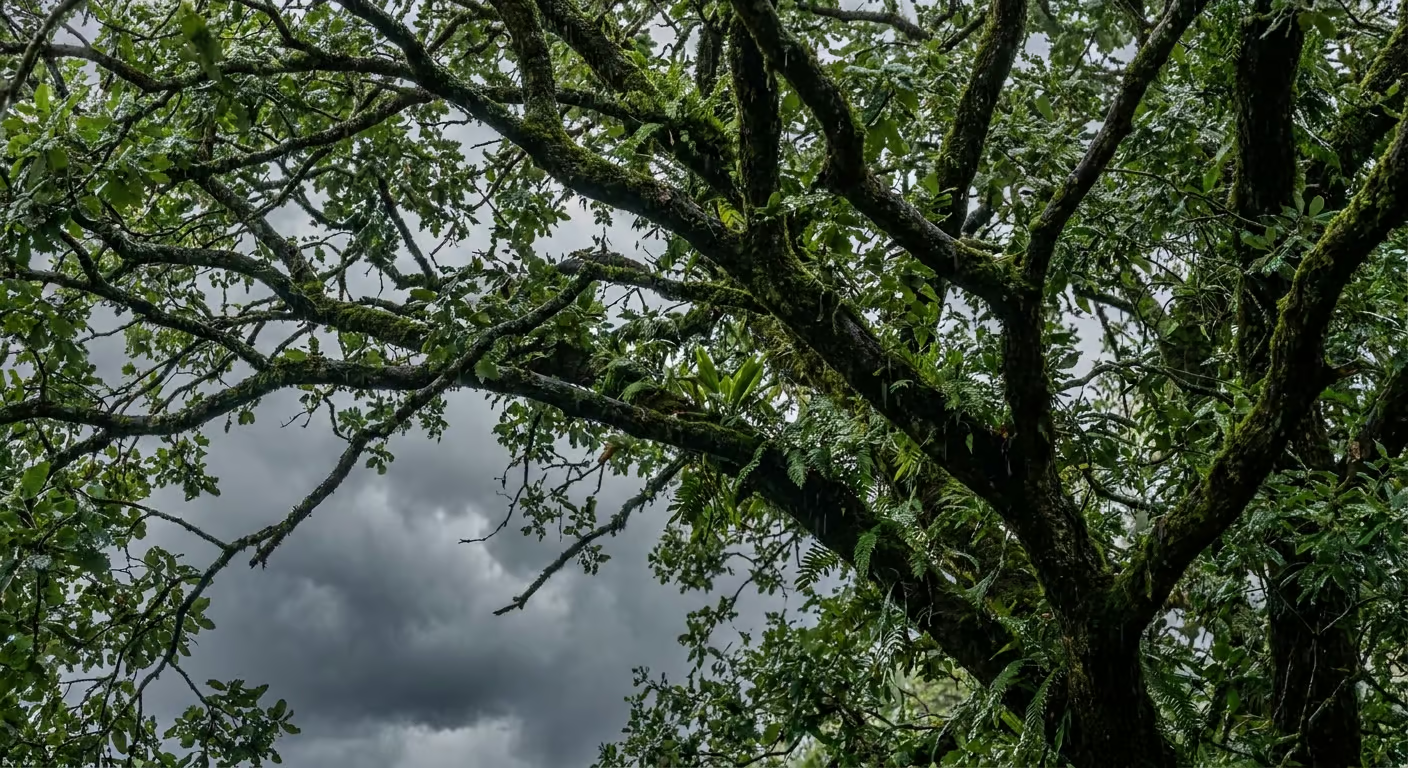
A warmer atmosphere holds more moisture. Climate models consistently show that atmospheric rivers are becoming wider, longer, and more intense, with higher water vapor transport. The most severe events now occur more often, and the intervals between soaking systems are shorter. That means less time for soil to drain and trees to recover.
Impact on Regional Weather Patterns
The shifts show up as sudden, heavy rain events followed by brief lulls, then another pulse. Wind often accompanies these systems, gusting from different directions as the front passes. For trees, that repeated cycling—wet, windy, wet—is more damaging than a single storm.
How Atmospheric Rivers Affect Trees
Soil Saturation and Root Stability
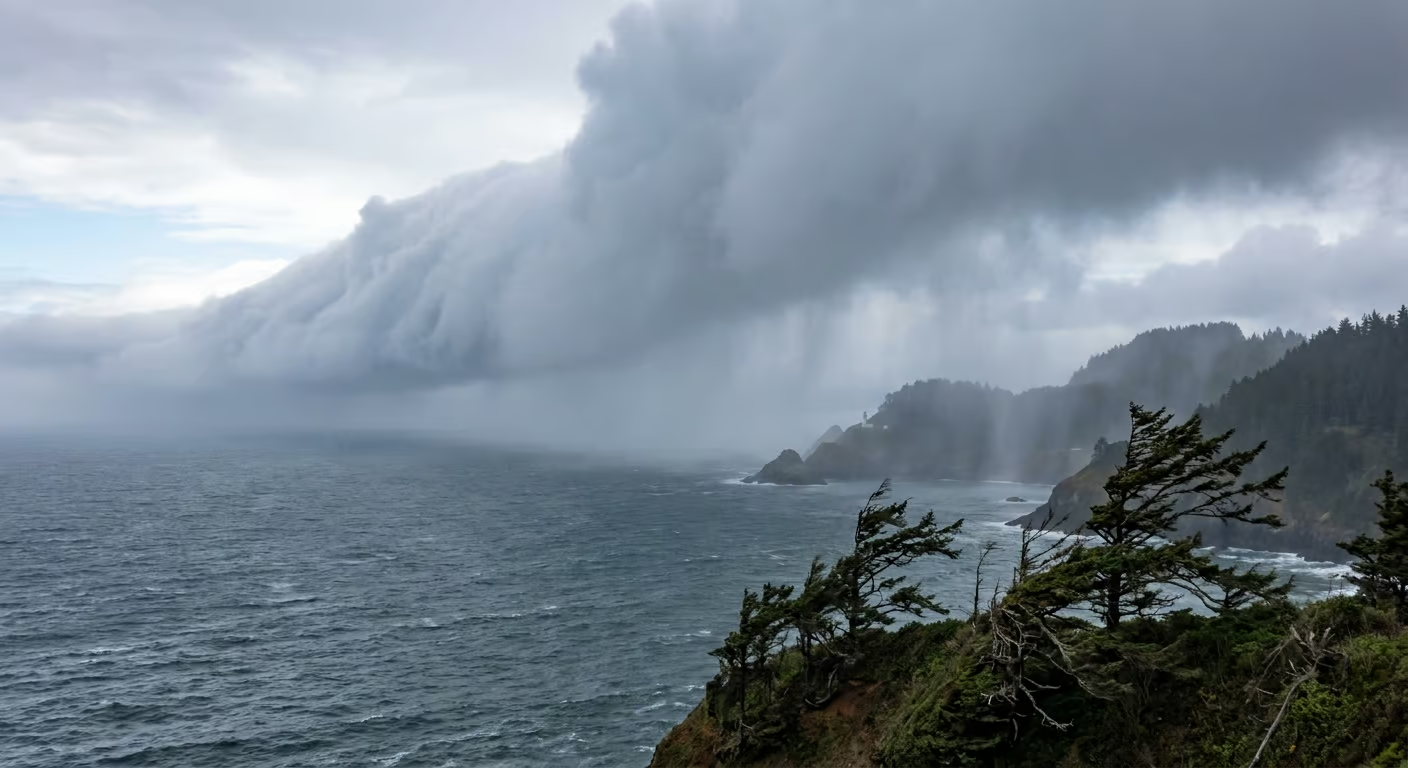
When heavy rain falls faster than the soil can absorb or drain, the ground around root plates becomes soft. Roots that relied on soil cohesion lose grip, especially on slopes or near pavement. A tree that stood firm for decades can begin to lean or uproot once the root zone is fully saturated. Even moderate wind can then push it over.
Wind Load and Branch Breakage
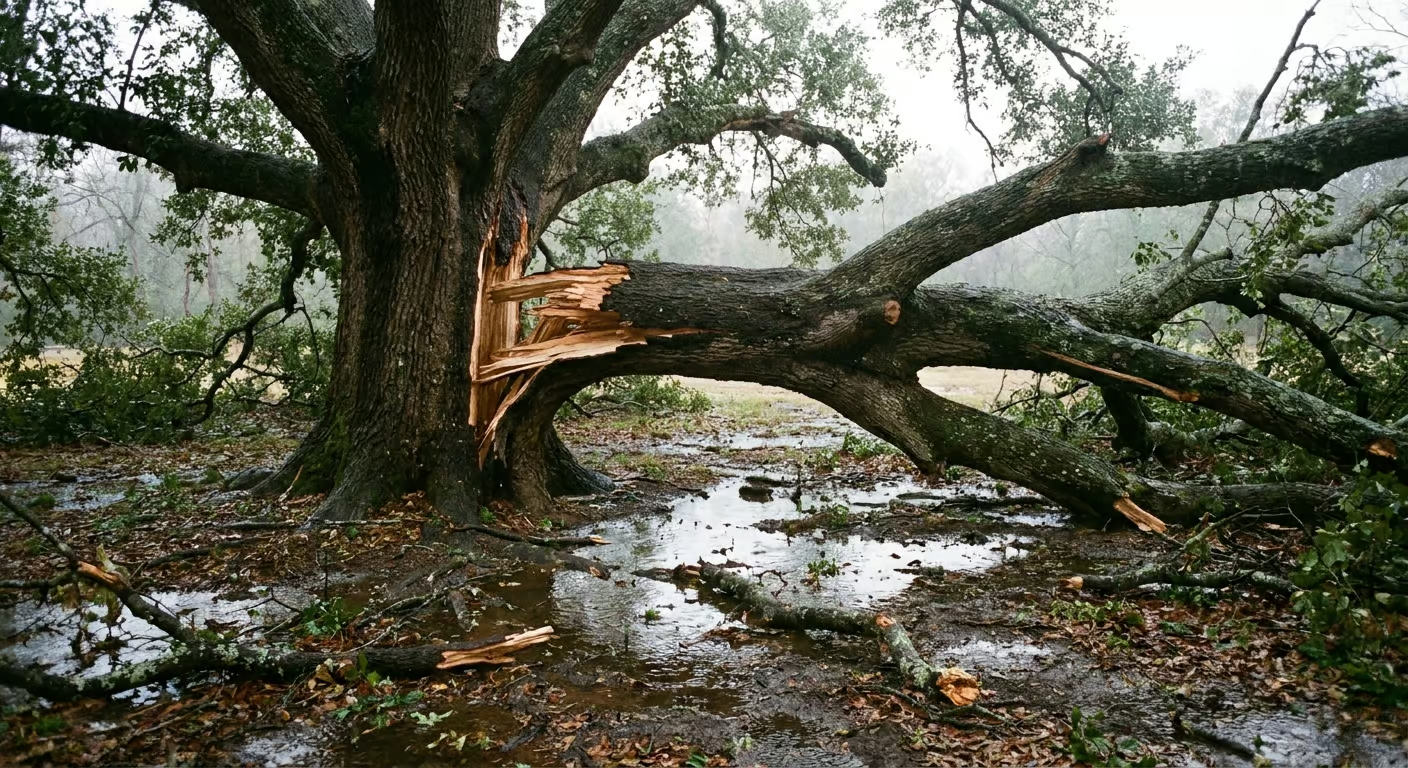
Dense foliage acts like a sail. Every leaf and twig adds surface area that catches wind, transferring force through branches to the trunk and roots. Weak branch unions, old wounds, or internal decay create failure points. Under sustained gusts, those points snap first—often dropping large limbs onto structures, vehicles, or power lines.
Proactive Canopy Thinning: A Key Defense Against Storm Damage
Why Atmospheric Rivers Increase the Need for Proactive Canopy Thinning
When an atmospheric river stalls overhead, it delivers not just rain but sustained wind. A tree with a dense, unthinned canopy catches that wind like a wall, while a properly thinned tree lets it pass through. This direct relationship between storm intensity and canopy density is why thinning before the season matters.
Reducing Wind Resistance
Thinning selectively removes interior branches to open the canopy and let wind pass through more easily. Rather than catching a wall of air, the tree flexes and dissipates force. The goal is not to remove all foliage—besides stressing the tree, over-thinning creates lions’-tailing and weakens branch structure. We aim for a balanced reduction of 10 to 20 percent of live crown, focusing on crossing branches and dense clusters.
Removing Dead and Weak Branches
Dead branches are the most likely to fail under load. They have no living tissue to flex, so they snap cleanly. Weak attachments—such as co-dominant stems with included bark—act as levers that can split the trunk. Removing them before storm season eliminates the first points of failure.
Assessing Trees for Thinning Needs
Identifying Structural Weaknesses
Walk around each tree and look for visible cracks, cavities, or seams in the trunk. Check whether the trunk forks into two or more large stems with a tight V-shaped union—that’s a high-risk split point. A slight lean is not always a problem, but if you notice soil mounding or exposed roots on the opposite side, the root plate may already be shifting. We also look for signs of past storm damage: broken stubs, hangers, or large wounds that haven’t closed.
Signs of Disease or Damage
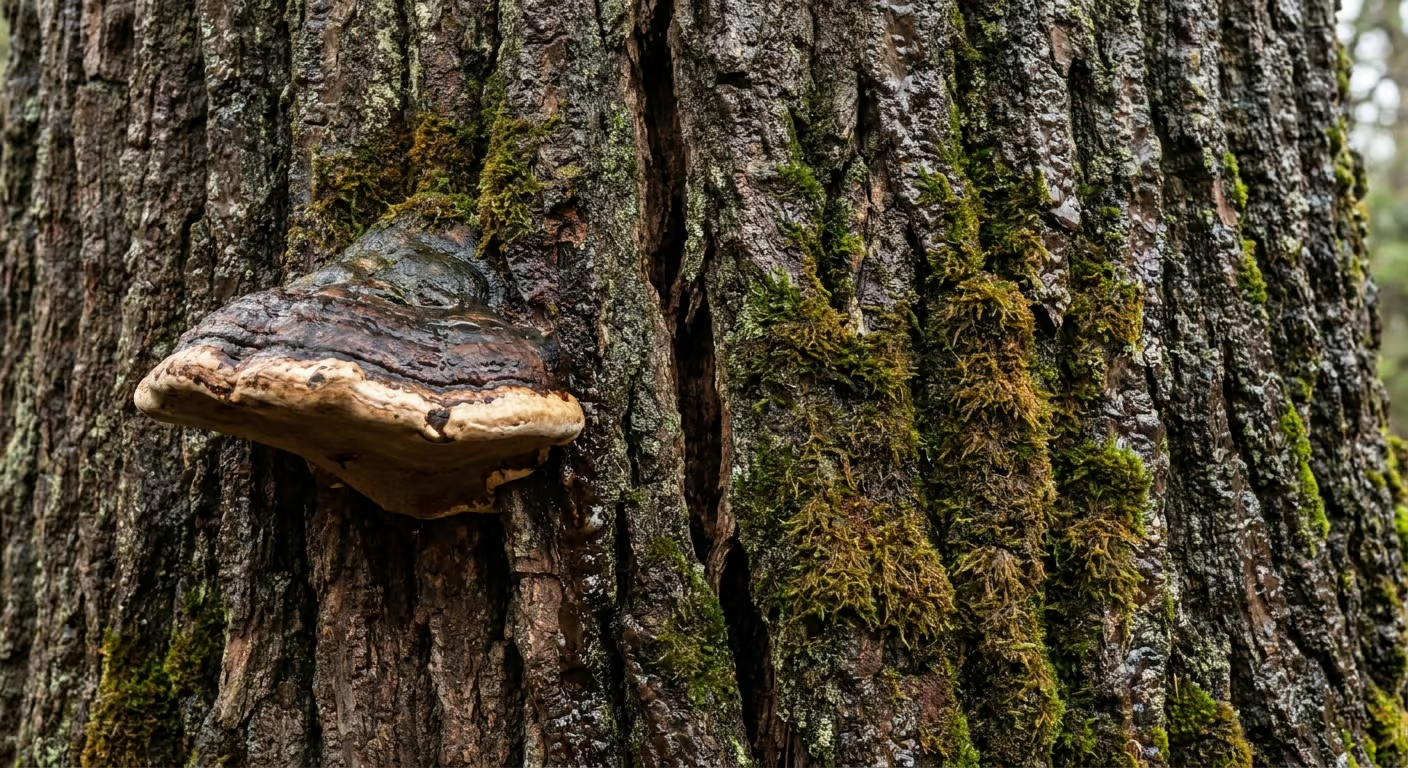
Fungal conks on the trunk or base indicate internal decay. Dead limbs in the upper crown, thinning foliage, or unusually small leaves can signal root disease or vascular problems. Cankers, oozing sap, and sawdust-like frass from boring insects are additional red flags. Any of these weaken wood structure and make atmospheric river damage more likely.
Best Practices for Canopy Thinning Before Atmospheric River Season
Optimal Timing for Thinning
The best time to thin is before the rainy season begins, when trees are entering dormancy or have finished their active growth. For most broadleaf trees, late fall to early winter works well; for conifers, late summer through fall is ideal. Avoid heavy thinning in spring when sap is flowing and pests are active. Thinning just before storm season gives the tree time to compartmentalize cuts and reduces immediate storm risk.
Professional Techniques and Safety
Thinning requires precise cuts at branch collars, not flush cuts or stubs. We use hand pruners, pole saws, and climbing techniques only when necessary, never spikes on live trees. Removing more than 25 percent of live foliage in a single season stresses a tree and can trigger weak sucker growth. For tall trees or any work near utilities, the safest approach is to bring in a crew with proper rigging and experience.
We have handled more than 150 emergency storm response calls, and that experience shapes how we assess canopy thinning needs before atmospheric rivers arrive.
If you are unsure whether your trees need thinning, request a property assessment before the next heavy rain. We walk the site, identify the highest-risk trees, and recommend a plan that protects your property without over-pruning.
During prolonged rain, learn the soil failure signs around large trees so you can intervene before a lean turns into uprooting.
Areas We Serve
Storm impacts and soil drainage differ across our region, so local context matters when planning thinning ahead of wet, windy spells. Our area pages outline how we work in each place and what to expect through the season.