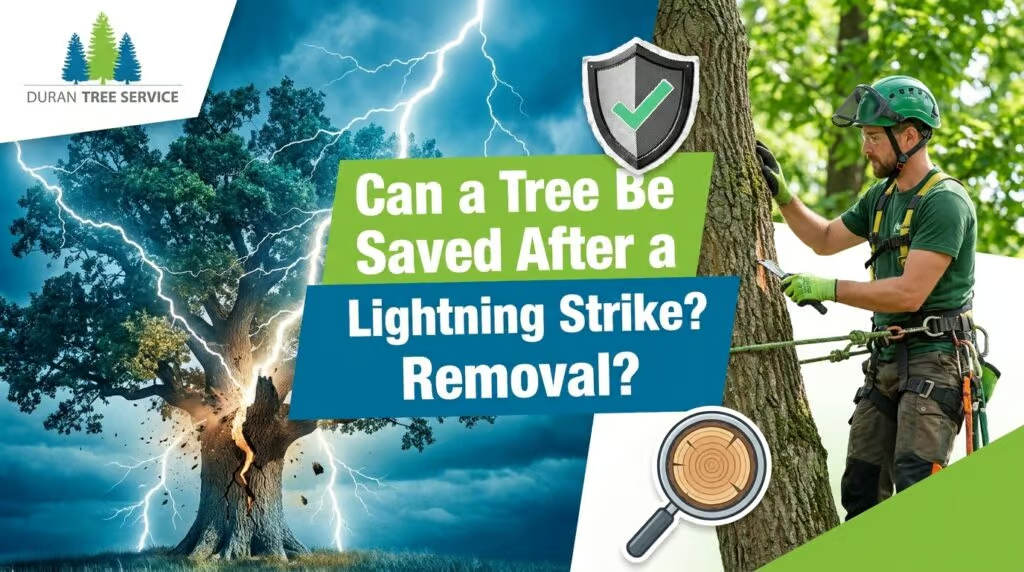
When lightning strikes a tree, the visible damage only tells part of the story. The electrical discharge can travel through the trunk, superheating moisture and causing bark to explode, but the tree may still survive if the structural core remains sound and the right aftercare follows. We help you determine whether a lightning-struck tree can be saved or if emergency removal is the safer choice.
The answer is rarely immediate unless the trunk is split or the tree is leaning. In many cases, a waiting period of several weeks to months is necessary to see how the tree responds. This guide explains what lightning does to a tree, which signs require urgent action, and how we assess survival potential before recommending a course.
How Lightning Damages Trees: Understanding the Impact
Lightning can carry up to 100 million volts and heat the surrounding air to roughly 50,000 degrees Fahrenheit. When that current enters a tree, it follows the path of least resistance—often the moist sapwood just beneath the bark or the water-conducting xylem deeper inside. The extreme heat instantly boils the tree’s internal moisture into steam, which expands with enough force to split wood and blow bark off the trunk.
The path of electrical current through a tree
Wood is a poor conductor, but the water and sap inside make trees attractive to lightning. The current can travel down the outside of wet bark, through the cambium layer, or deep within the xylem. The exact path determines the extent of visible and hidden damage. A strike that follows the bark may leave a narrow scar, while a strike through the core can shatter the trunk from within.
Internal vs. external damage
External damage includes bark stripping, vertical cracks, and scorched areas. Internal damage is less obvious and includes disrupted vascular tissues that move water and nutrients. Even when the bark looks intact, the electrical charge can cook the cambium or roots, leading to delayed decline. That is why we always assume hidden injury until proven otherwise.
Immediate vs. delayed effects
Some trees die within days, their leaves wilting and turning brown as the root system fails. Others may leaf out normally the next spring and then decline months later as secondary pests or decay organisms invade the damaged wood. This delayed response is why we recommend monitoring rather than making a final decision in the first few hours.
Signs of Lightning Damage: What to Inspect Immediately
After a strike, we look for both the obvious and subtle markers. These signs help determine whether the tree is likely to recover or poses an immediate hazard.
Bark splitting and stripping
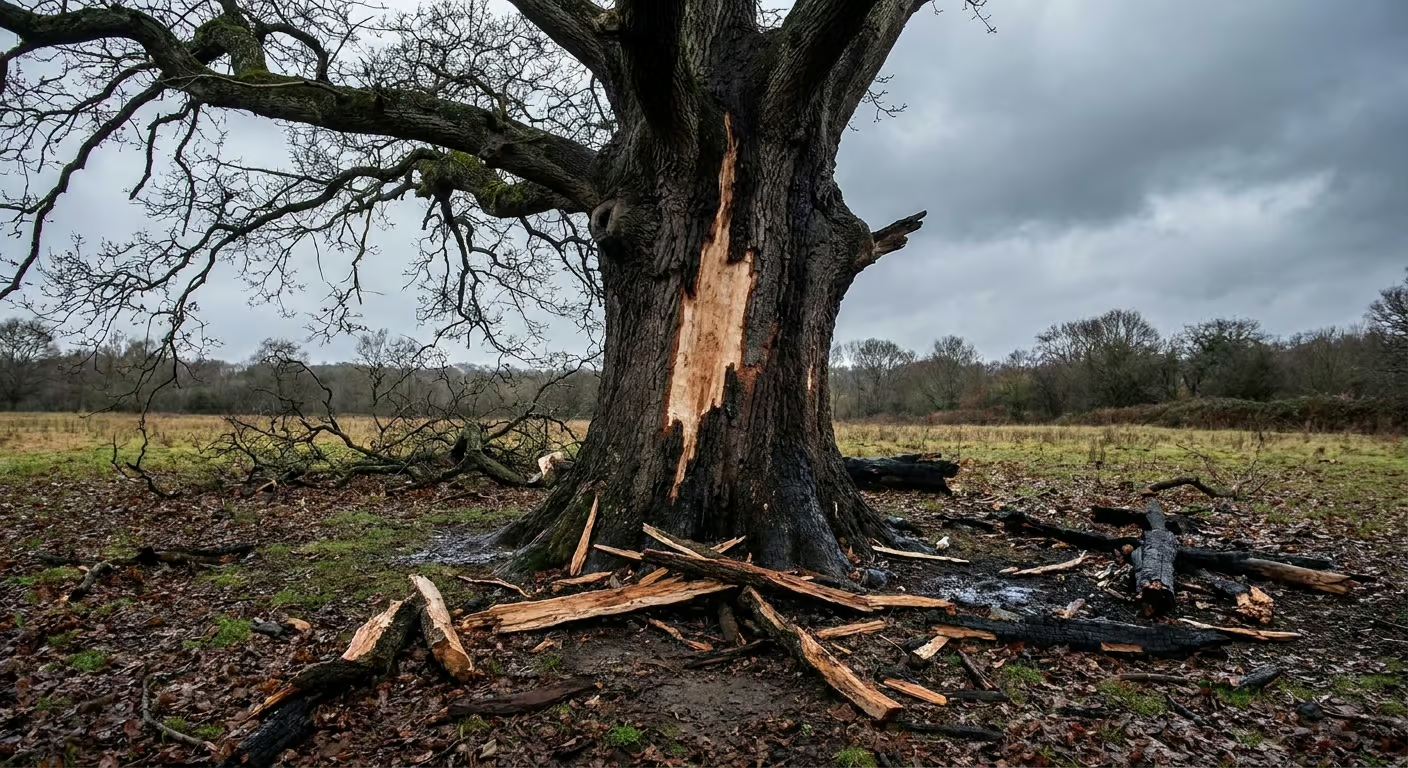
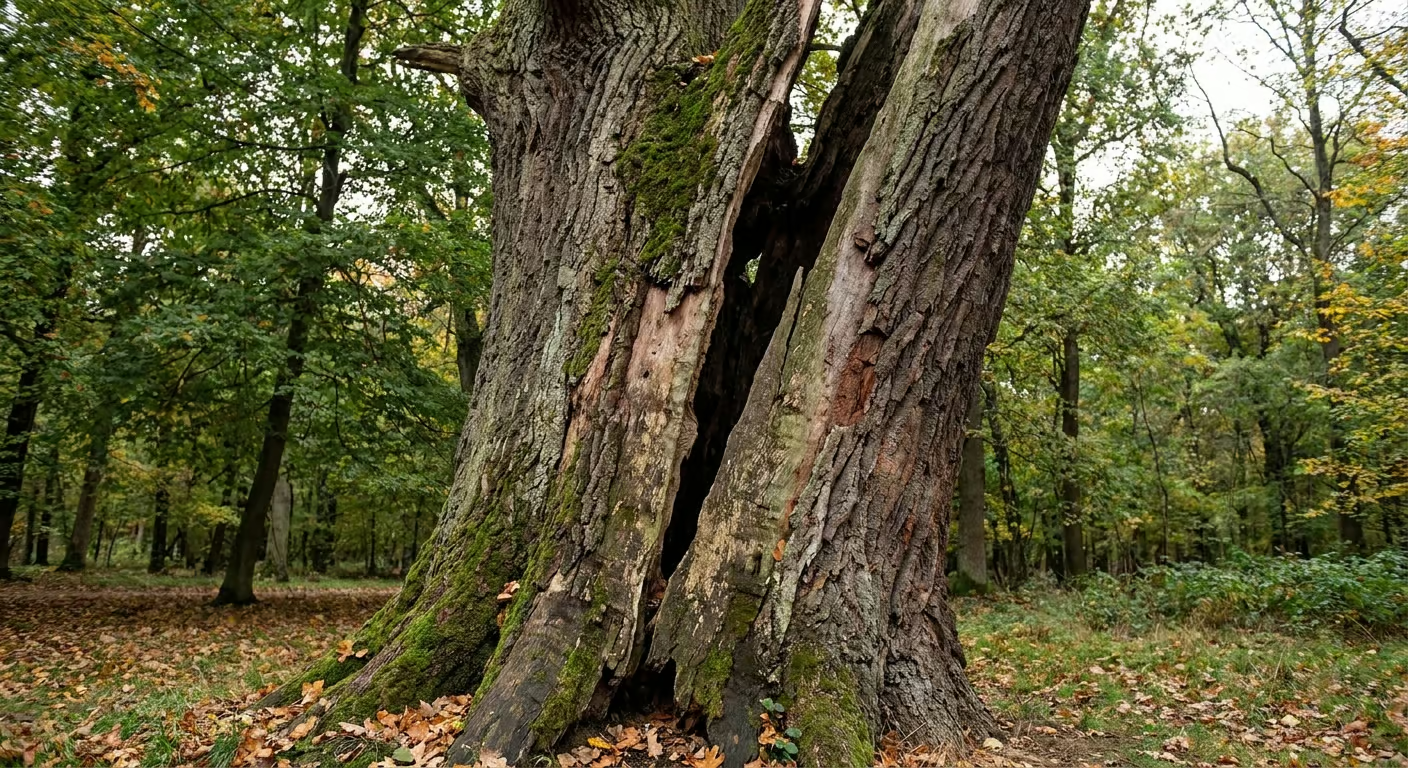
A narrow strip of bark blown off the trunk may be survivable, but broad debarking around the circumference is serious. If more than one-third of the trunk’s circumference loses bark, the tree’s ability to transport water and resist pests is severely compromised.
Scorched or blackened areas
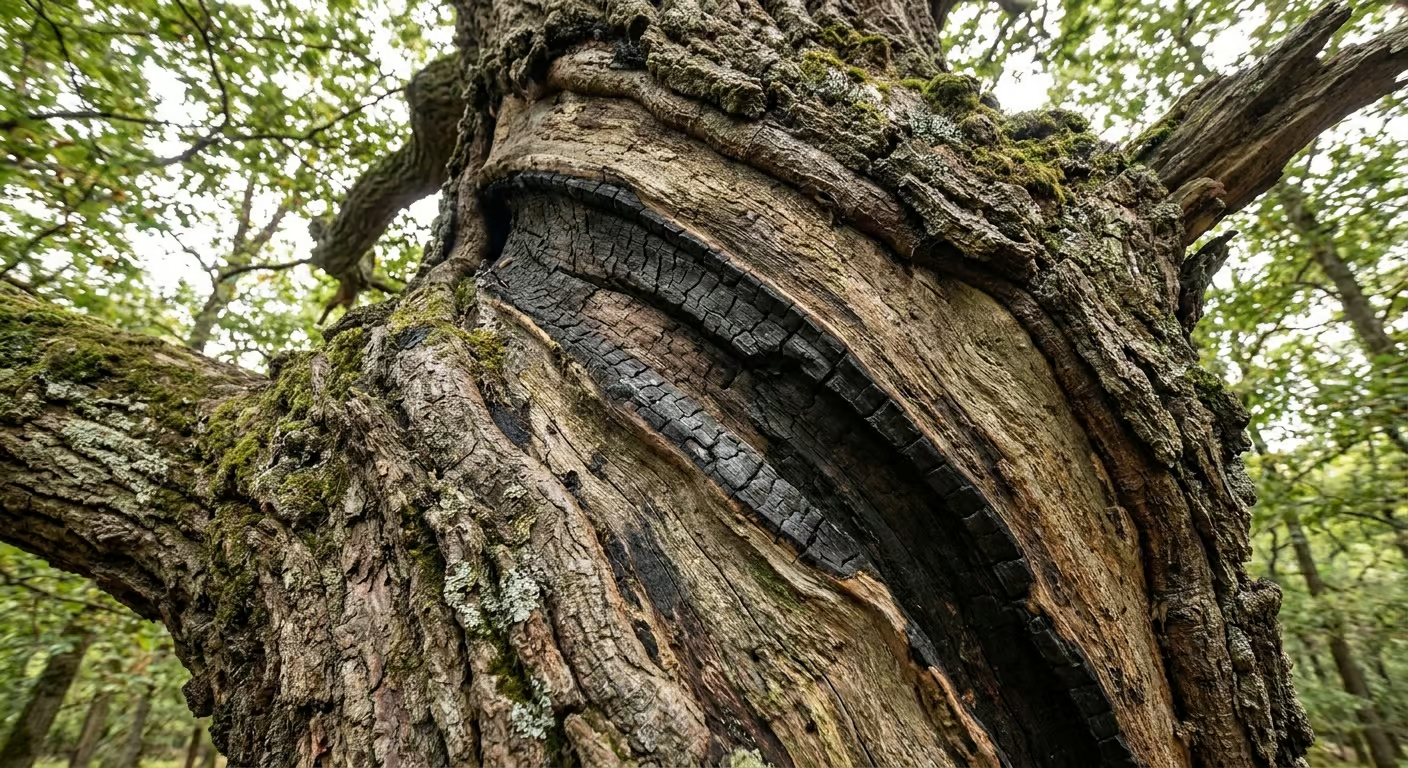
Charring or blackened streaks along the bark indicate where the current traveled. These areas often die back, but if the scorching is limited to a small portion of the trunk, the tree may compartmentalize the wound.
Branch breakage and cracks
Lightning can snap large limbs or create deep cracks in branches and the trunk. Cracks that penetrate more than one-third of the branch or trunk diameter reduce structural integrity and may require pruning or removal.
Root damage indicators
Roots are often the hidden casualty. If the tree begins to lean, the soil around the base heaves, or new wilting appears without an above-ground cause, the root system may have been cooked by the discharge. This is a red flag for delayed failure.
Assessing Survival Potential: Key Factors to Consider
Not all lightning-struck trees are lost. We evaluate four main factors before deciding whether to wait and monitor or remove.
Extent of structural damage
The most critical factor is whether the tree’s main structure remains sound. A split trunk or a crack deeper than one-third of the diameter usually means removal, especially if the tree is near a house, driveway, or play area. Trees with minor bark loss or small cracks may be candidates for recovery.
Tree species and inherent resilience
Some species compartmentalize wounds better than others. Oaks, for example, can often wall off damage and continue growing, while pines and other resinous trees may decline faster. We consider the species’ natural decay resistance and growth rate.
Pre-existing health and vigor
A healthy, actively growing tree with no prior decay or pest issues has a much better chance of surviving a strike. A tree that was already stressed, leaning, or showing signs of rot is less likely to recover and more likely to fail.
Age and size of the tree
Young, vigorous trees often recover more readily than older, slower-growing specimens. However, a very large old tree may have enough stored energy to survive moderate damage. We weigh the tree’s overall vitality and structural soundness.
When Emergency Removal is Required: Red Flags and Safety Concerns
Some conditions demand immediate action to protect people and property. If you see any of the following after a lightning strike, keep people and pets away and call us for an emergency assessment.
- Severe trunk cracks or splits: A crack that opens the trunk or splits it in two means the tree can fall without warning.
- Leaning or root plate lifting: If the tree has shifted from its original position or the soil around the base is raised, the root system is compromised.
- Extensive bark loss around the circumference: Losing more than half the bark interrupts nutrient flow and invites decay.
- Proximity to structures or high-traffic areas: Even moderate damage can be unacceptable if the tree could strike a home, vehicle, or frequently used path.
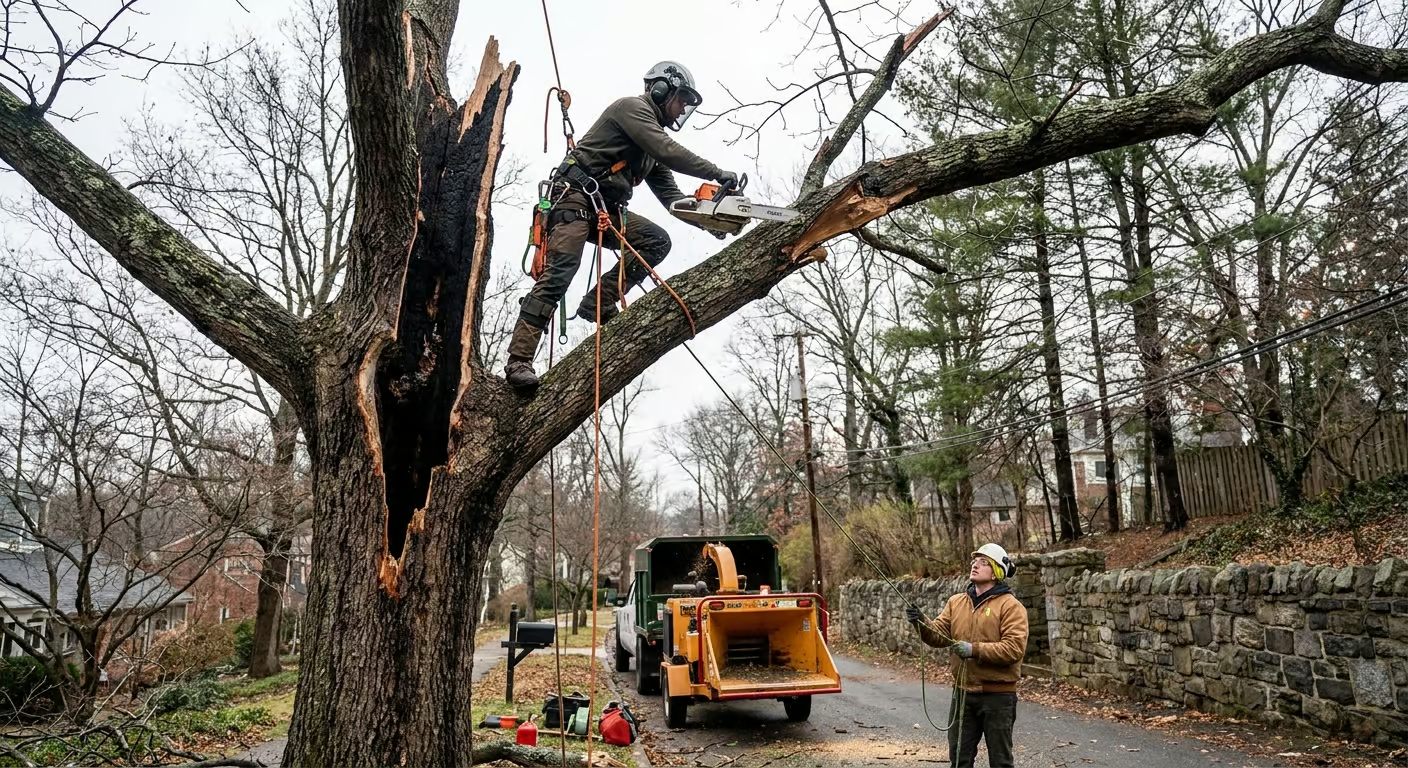
We remove trees with these red flags using controlled techniques that minimize risk to surrounding property. When the tree is leaning or cracked, we never recommend waiting.
The Waiting Game: Monitoring for Delayed Decline
Unless the tree is an immediate hazard, we usually recommend waiting a few weeks to months before declaring it saved or lost. Lightning damage can take time to show above ground.
Timeline for potential decline
Some trees wilt within days; others may not show signs until the next growing season. We typically reassess after four to six weeks, then again after leaf-out in spring if the strike occurred during dormancy.
Signs of delayed decline (wilting, dieback)
Watch for wilting leaves, branch tip dieback, premature leaf drop, or sucker growth near the base—all signs the tree is struggling to move water. Fungal conks or bark beetles appearing within a year are also indicators of internal decay.
Importance of regular inspections
Regular inspections by a qualified arborist allow us to detect subtle changes in canopy density, bark condition, and root stability before the tree becomes a hazard. We document the tree’s condition at each visit to track whether it is recovering or declining.
Post-Strike Care to Improve Survival Chances
If the tree is a candidate for saving, professional aftercare makes a significant difference. We provide targeted care to reduce stress and support the tree’s natural healing processes.
Pruning damaged branches
We remove broken or cracked branches with clean cuts to prevent tearing and reduce the weight on damaged sections. Proper pruning cuts help the tree compartmentalize wounds more efficiently.
Watering and mulching
Maintaining consistent soil moisture is critical during recovery, especially in the first summer after a strike. We apply a layer of organic mulch around the root zone to conserve moisture and moderate soil temperature, but we keep it away from the trunk to prevent rot.
Pest and disease management
Lightning-struck trees are magnets for opportunistic borers and decay fungi. We monitor for early signs and may apply preventative treatments to protect the tree while it regains strength.
Fertilization considerations
Fertilizer is not always beneficial immediately after a strike, as the tree’s root system may be compromised. We base any nutrient applications on soil tests and the tree’s response, avoiding excess nitrogen that could stimulate weak growth.
Why You Need a Certified Arborist for Lightning-Struck Trees
Assessing and caring for a lightning-struck tree is not a do-it-yourself project. The hidden damage and structural risks require professional evaluation and equipment.
At Duran Tree Service, we have handled over 150 emergency jobs, which means we see lightning damage often enough to know that every strike is different. Our crews are trained to assess structural risk without putting anyone in harm’s way.
Accurate damage assessment
We use knowledge of tree biology and failure patterns to estimate whether the tree can be saved. This includes checking for hidden cracks, root damage, and the extent of vascular disruption that might not be visible from the ground.
Safe pruning and removal techniques
Working on a damaged tree is dangerous. We have the rigging, climbing gear, and experience to remove hanging limbs or take down a compromised tree without damaging nearby structures.
Long-term health planning
If a tree is saved, we create a monitoring and care schedule to give it the best chance of long-term survival. This includes follow-up inspections and adjustments to pruning and pest management as needed.
Tree Species and Storm Patterns that Increase Lightning Risk
Some trees are more likely to be struck than others, and local storm frequency matters. Understanding your tree’s risk profile can help you plan ahead.
Species with higher vulnerability (e.g., tall, shallow-rooted)
Tall, solitary trees and those with high moisture content or resin are common lightning targets. Species such as oak, pine, poplar, and ash tend to be struck more often than beech or birch. Trees with shallow root systems may also suffer more root damage.
Regional storm frequency and intensity
Areas with frequent thunderstorms see more lightning-struck trees each year. Even within the same region, trees on hilltops, open fields, or near water are at greater risk.
Preventative measures based on risk
We cannot prevent lightning, but we can reduce some risk by pruning to lower overall height, removing dead branches that could act as targets, and ensuring the tree is healthy and well-maintained. For high-value trees in exposed locations, a lightning protection system installed by a qualified professional may be worth considering.
If lightning has struck a tree on your property, do not wait to see what happens. Contact us for a prompt, professional assessment. We will help you determine whether your tree can be saved or if emergency removal is the safest path forward.
If soil is cracking, heaving, or a new lean appears after rain, learn the sudden soil failure signs around large trees and when they call for immediate action.
Areas We Serve
Site conditions and storm patterns differ from place to place, and that matters when judging a struck tree’s outlook. Our area hubs give the local picture and show where we work, helping you match the guidance above to your location.