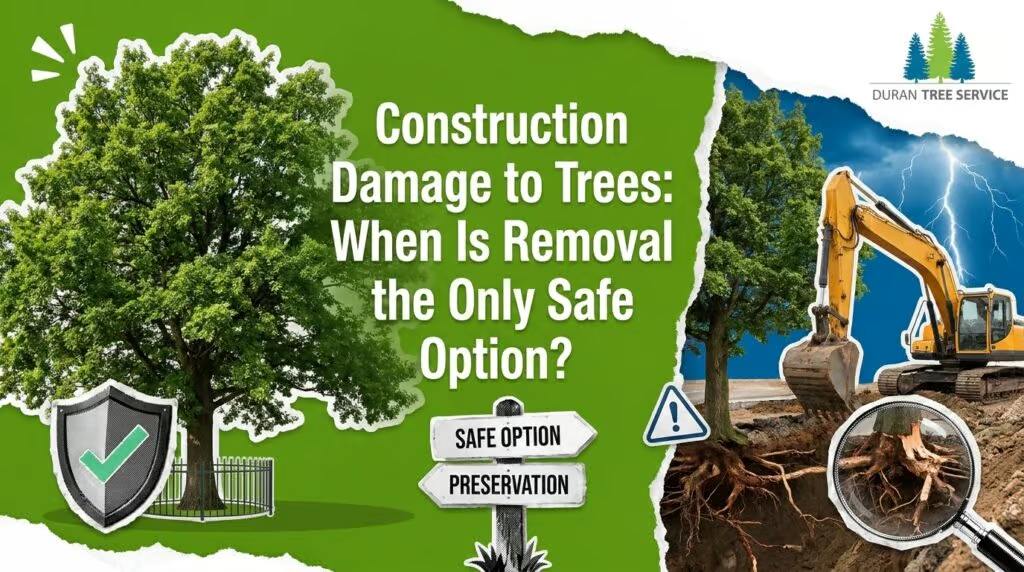
When heavy equipment, trenching, or grade changes intrude on a tree’s root zone, the injury is often invisible for months or years. Construction damage to trees frequently begins below ground, where the majority of absorbing roots live in the top 12 to 18 inches of soil. By the time canopy dieback or sudden limb drop appears, the tree may already be structurally compromised. Knowing when removal is the only safe option requires understanding how different types of damage affect long-term stability and health.
We approach every construction-damaged tree with the same question: can this tree recover enough to stand safely for years, or is it a latent hazard? The answer rarely shows up immediately. It demands a careful evaluation of root loss, trunk wounds, soil changes, and species tolerance. In many cases, the safest choice is not always obvious—and that is exactly why thresholds matter. What follows is the decision framework we use in the field, built on arboricultural research and repeated observation.
Understanding Construction Damage and Its Effects on Trees
Every tree relies on its root system for water, nutrient uptake, oxygen exchange, energy storage, and physical anchorage. More than half of a tree’s absorbing roots are in the top foot of soil, and over 90 percent are in the top three feet. Those roots extend well beyond the branch dripline—often two to three times the tree’s height. When construction activities cover, cut, compact, or expose this critical zone, the tree loses its ability to sustain itself.
Construction damage throws a tree into an energy deficit. Roots store carbohydrates that help the tree survive drought, defoliation, and wounding. Once more than about 40 percent of the root system is lost or suffocated, the tree often cannot recover and becomes a hazard. The damage may not be obvious above ground, but the decline has already started. That hidden nature is why a delayed reaction is so common—and why a safety-first assessment is essential.
Common Types of Construction Damage
Not all construction damage looks the same. We categorize it by the part of the tree affected and the mechanism of injury. Recognizing the type helps predict how the tree will respond.
Root Damage and Severing
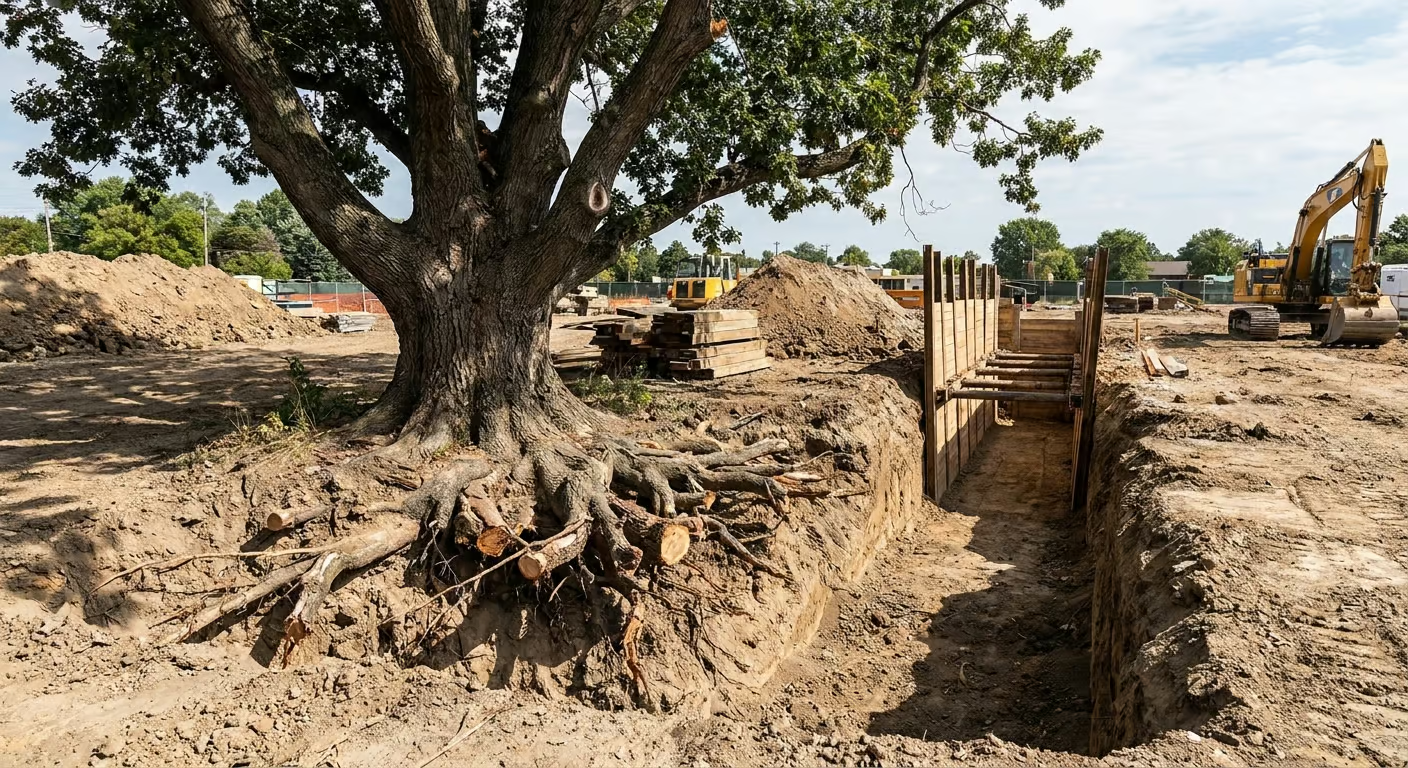
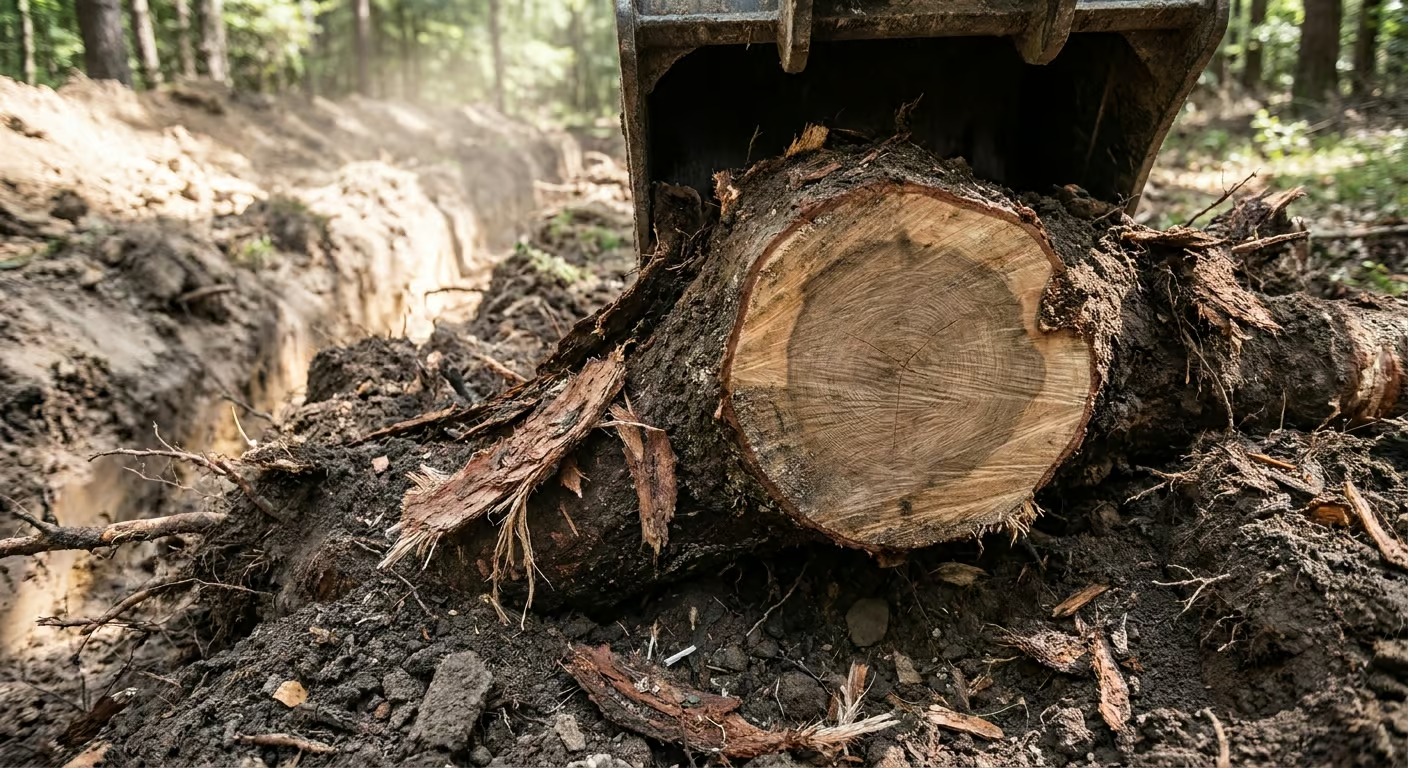
Excavation, trenching, and grade lowering tear or cut roots that are vital for stability and uptake. Clean cuts by a trencher can sometimes seal over, but torn roots from a backhoe leave large open wounds. Even a single pass by heavy equipment can crush roots beneath the soil. Because roots also anchor the tree, severing a major structural root on one side creates an immediate lean risk.
Soil Compaction and Grade Changes
Soil compaction is the most common construction injury we see. Heavy machinery, material storage, and repeated foot traffic squeeze air out of the soil, suffocating roots. Adding as little as a few inches of fill over the root zone can also cut off oxygen and water, especially for sensitive species like oaks. Lowering the grade strips away nutrient-rich topsoil and feeder roots, leaving the tree stranded.
Trunk and Branch Wounds
Careless equipment movement can scrape bark, break branches, or gouge the trunk. Small wounds can compartmentalize, but large wounds become entry points for decay fungi and insects. A trunk wound that destroys more than half of the tree’s diameter is serious—there may not be enough living tissue to move water upward or food downward, and the trunk itself becomes weak.
Recognizing Symptoms of Construction Damage
Symptoms of construction damage often lag behind the damaging event, sometimes by two to five years or more. That delay can make diagnosis difficult, but certain clues are reliable.
Immediate vs. Delayed Symptoms
Within weeks, a damaged tree may show wilted or scorched leaves and drooping branches. But more often, the first signs are subtle: early fall color, premature leaf drop, or excessive inner needle drop on conifers. Years later, you may see yellowed, stunted leaves, sparse canopy, and twig dieback.
Canopy Dieback and Leaf Scorch
Dieback usually starts at the top of the tree and the ends of branches, because the reduced root system cannot supply enough water to the entire crown. Leaf scorch—browning along leaf edges—is a classic sign of water stress from root loss or compaction. If dieback progresses downward over successive seasons, the tree is likely in serious decline.
Root and Soil Indicators
Look for exposed or severed roots, soil that feels hard and compacted, standing water, or fill material piled against the trunk. Mushrooms or fungal conks at the base can indicate root decay. Heaving soil or a newly visible root plate suggests the tree has lost anchorage and may be leaning.
Assessing Tree Health and Structural Integrity After Construction
When we evaluate a tree after nearby construction, we do not just look at the leaves. We estimate how much of the critical root zone was disturbed, inspect the trunk for mechanical wounds, and judge the tree’s overall energy reserves.
Root Loss Percentage Evaluation
Using the trunk’s diameter at breast height, we can map the minimum protected root zone—typically one foot of radius for every inch of trunk diameter, or the branch dripline, whichever is larger. If excavation or compaction has removed or destroyed more than 20 percent of that zone, the tree will likely show injury. Losses approaching 40 percent or more are usually fatal, and the tree should be considered for removal because it is hazardous.
Trunk and Branch Structural Assessment
We measure wounds, check for cracks, and look for decay. A wound that encircles more than half the trunk or removes more than 50 percent of the wood diameter leaves the tree structurally compromised. We also look for included bark, codominant stems, and previous pruning wounds that might fail under stress.
Overall Vigor and Decline Indicators
After servicing over 6,000 trees, we have learned that a tree’s overall vigor—shoot extension, leaf density, and wound response—often tells us more than any single symptom. That field experience guides our removal recommendations. A tree with short annual shoots, sparse foliage, and slow wound closure is already running out of reserves, even if no single wound appears catastrophic.
Criteria for When Removal Is the Only Safe Option
Some construction-damaged trees can be saved with care and time. Others cannot. The following thresholds are the clearest indicators that removal is the only safe option.
Extensive Root Loss (e.g., 40% or More)
When 40 percent or more of the root system is severed, crushed, or smothered, the tree will probably die. Even if it lingers for a few years, it becomes a standing hazard because its anchorage is gone. At that point, removal is the only responsible choice.
Severe Trunk Wounds (Over 50% Circumference)
A trunk wound that destroys more than half of the trunk’s circumference—or more than half its diameter—compromises both the tree’s vascular system and its structural strength. Decay will progress, and the tree can fail without warning. We recommend removal before it becomes a target hazard.
Advanced Decline and Disease
If dieback has consumed more than half the crown, if decay fungi are fruiting on the trunk or roots, or if the tree is shedding large limbs, the decline is likely irreversible. Construction damage often opens the door for secondary pests and diseases that finish the job.
Structural Instability and Leaning
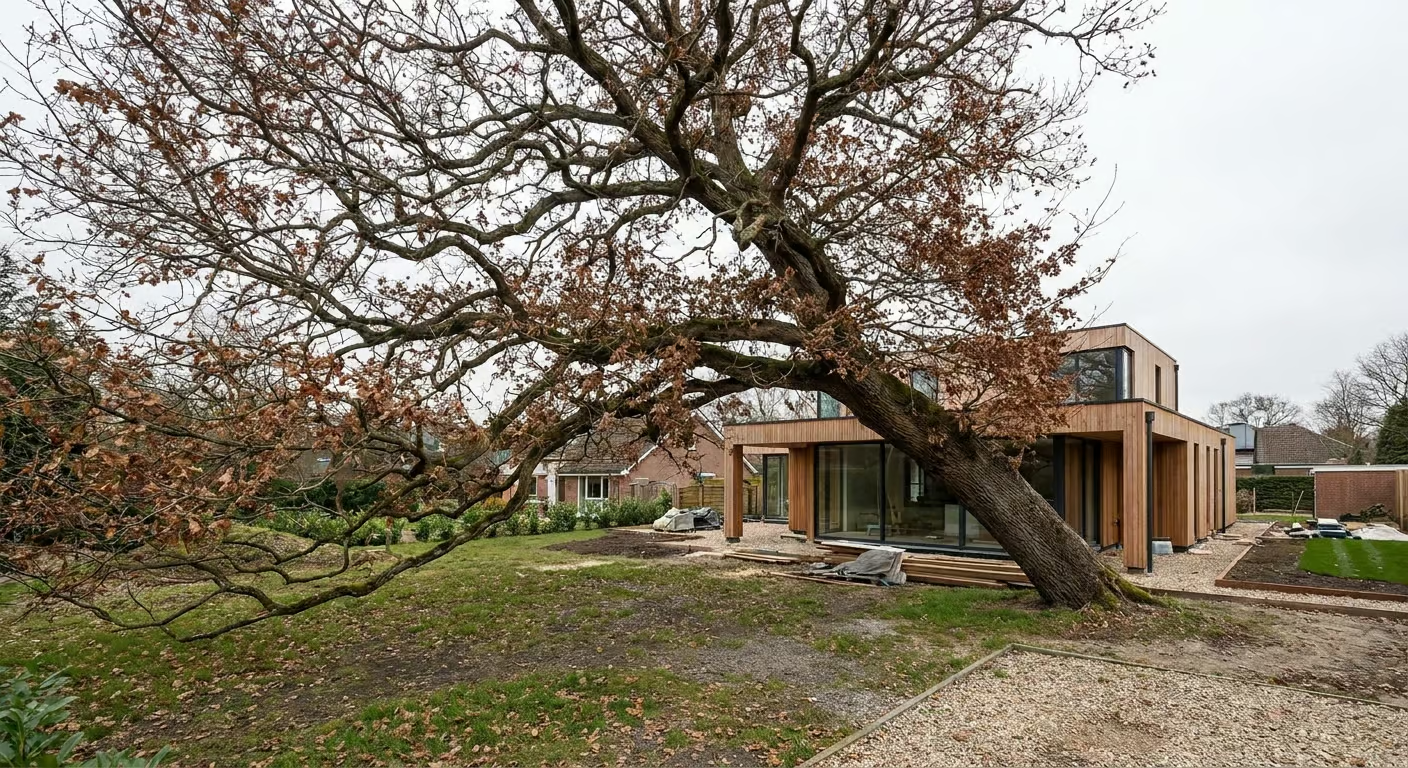
A new lean after construction, especially one accompanied by soil heaving or exposed roots on the opposite side, means the root plate has moved. That tree is no longer anchored and could fall in the next storm. Any lean toward a house, walkway, or play area makes removal urgent.
Safety Hazards of Damaged Trees
A construction-damaged tree is not just an aesthetic problem—it is a potential source of severe injury or property loss. We treat every damaged tree near a target as a risk to be managed.
Risk of Falling Limbs
Stressed trees with compromised root systems often drop branches without warning, a phenomenon sometimes called sudden limb drop. The branches may look healthy, but internal decay or water stress can cause them to fail on calm days.
Potential for Whole Tree Failure
Loss of anchor roots on one side or extensive root death across the system can cause the entire tree to uproot or snap at the base. Whole tree failure is especially likely in saturated soil or high winds, but it can happen in normal weather after years of decline.
Proximity to People and Structures
We assess risk by asking what could be hit if the tree or a limb falls. A large damaged tree within striking distance of a house, driveway, sidewalk, or children’s play area is a high-priority removal candidate. In those cases, waiting to see what happens is not worth the risk.
Role of Tree Species and Tolerance in Removal Decisions
Tree species vary widely in their ability to tolerate construction damage. Some recover from moderate root loss; others decline quickly. But severe damage often overrides even the toughest species.
Species with Higher Damage Tolerance
Trees like bur oak, silver maple, poplar, willow, elm, and sycamore can withstand more soil disturbance than sensitive species such as white oak, red oak, sugar maple, beech, linden, and most conifers. Younger trees generally tolerate change better than mature specimens. We use species tolerance to inform the threshold, but we never use it to justify keeping a tree with structural failure.
Weak-Wooded or Invasive Species Considerations
Weak-wooded species—such as silver maple, box elder, or poplar—are already prone to branch breakage. When construction damage is added, their hazard potential rises sharply. Invasive species often have little long-term landscape value, so removal may be the better investment even with moderate damage.
Long-Term Viability and Landscape Value
Even if a tree could survive for a few more years, we consider its future contribution. A mature native oak in a prominent location may be worth extra care and monitoring. A short-lived, messy, or poorly placed tree may be better removed now and replaced with a more suitable species after construction is complete.
Post-Construction Tree Care and Monitoring
If a tree has a reasonable chance of recovery, we recommend aggressive aftercare and a clear monitoring schedule. The goal is to reduce stress and catch decline early before it becomes a hazard.
Immediate Care Practices for Damaged Trees
Water deeply and slowly across the entire root zone during dry periods, aiming to moisten the top 8 to 12 inches of soil. Apply a 3-to-4-inch layer of wood chip mulch from near the trunk to the dripline—but keep mulch off the trunk itself. Prune dead or broken branches with clean cuts, but avoid heavy crown reduction unless a professional recommends it. Do not fertilize a stressed tree; its root system cannot process extra nutrients and they may harm it.
Monitoring for Continued Decline
Check the tree every few months for the first two years, then annually. Record leaf size, shoot length, dieback, and any new lean or cracks. If the crown continues to thin, if large limbs die, or if mushrooms appear at the base, the tree is losing the battle.
When to Transition to Removal
If decline progresses despite good care, or if any removal threshold is crossed—40 percent root loss, a trunk wound over 50 percent, significant dieback, or a new lean—then removal becomes the only safe option. It is better to remove a tree proactively than to wait for it to fail.
When to Consult a Professional Arborist
Construction damage is not always obvious, and the stakes are high. A professional arborist can measure the damage, predict the tree’s trajectory, and give you a defensible removal decision.
Signs That Require Expert Assessment
Call an arborist if you see any of the following after construction: a trunk wound larger than your hand, exposed or severed roots within ten feet of the trunk, a new lean, soil heaving, large dead branches, or significant canopy thinning. Also call if the tree is within falling distance of a house, road, or play area.
What to Expect from an Arborist Evaluation
We start by mapping the construction disturbance against the tree’s critical root zone. We inspect the trunk and crown, probe for decay, and check root plate stability. We then give you a plain-language risk assessment and a recommendation: monitor, treat, or remove. There is no guesswork in a professional evaluation.
Making an Informed Removal Decision
Removal is a serious step, but it is sometimes the only safe option. A good arborist will explain exactly why the tree cannot be saved, using measurable thresholds rather than opinion. That transparency helps you move forward with confidence, knowing you are protecting people and property.
Preventing Construction Damage to Avoid Future Removals
The best way to avoid a removal decision is to prevent damage before it happens. On any project, time spent on tree protection saves years of decline and eventual removal.
Planning and Establishing Tree Protection Zones
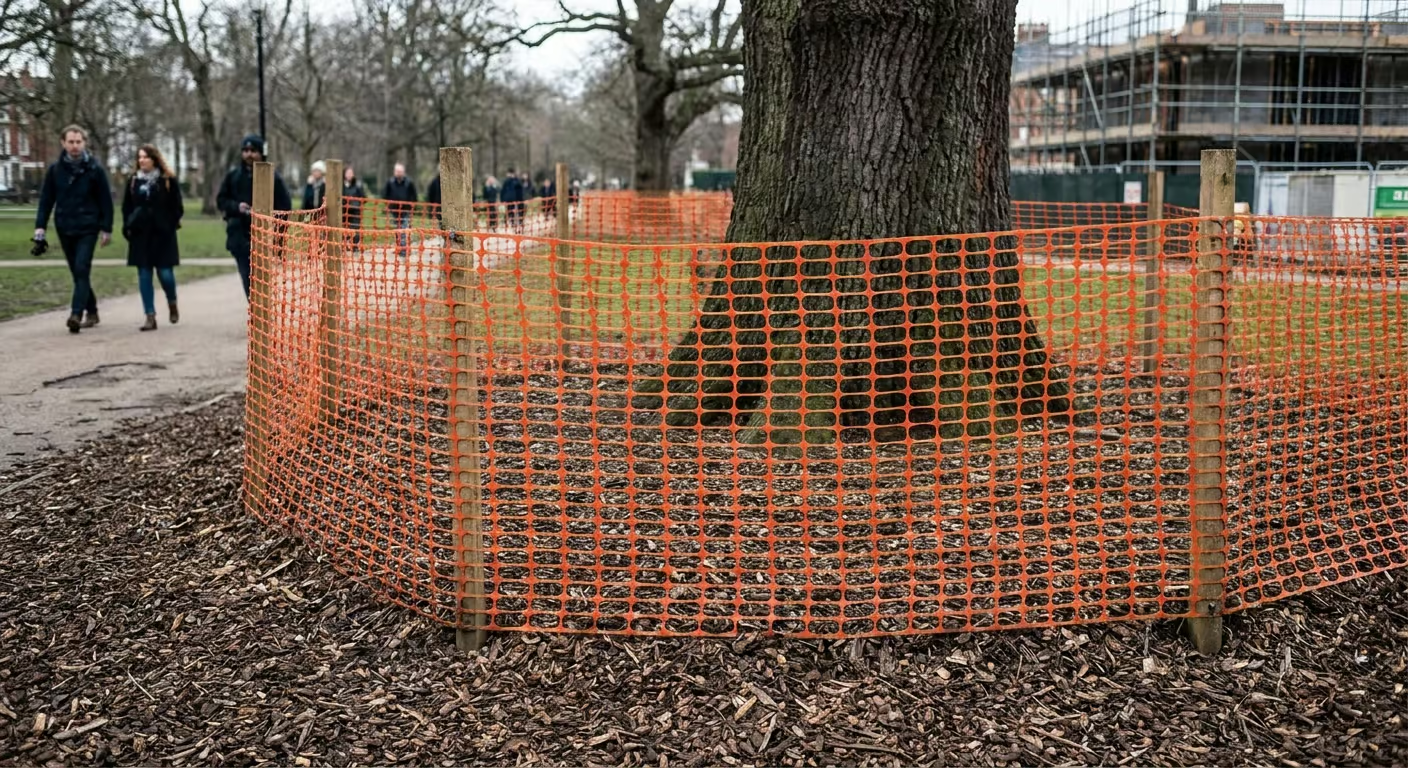
Before construction begins, fence off a root protection zone around each tree to be saved. A common standard is one foot of radius for every inch of trunk diameter, but the branch dripline is often larger and should be used when possible. No equipment, storage, excavation, or foot traffic should enter that zone. If individual zones overlap, join them into one larger protected area.
Contractor Education and Site Management
Work with your builder to designate a single access route that avoids tree roots. Store materials and excavated soil outside the protection zones. If trenching must pass near a tree, require tunneling under the root system rather than cutting through it. A pre-construction meeting with the crew can prevent most accidental damage.
Long-Term Tree Health Strategies
Healthy trees withstand construction better. Keep trees watered before, during, and after the project. Mulch the root zone to reduce compaction and conserve moisture. Prune deadwood before construction to reduce the chance of breakage. After construction, follow the monitoring plan and address problems early.
Conclusion: Making the Safe Choice for Your Trees
Construction damage to trees is often hidden, delayed, and irreversible. The difference between a tree that survives and one that becomes a hazard often comes down to root loss, trunk wounds, and continued decline. If a tree has lost 40 percent or more of its roots, has a trunk wound over half its diameter, or is visibly leaning after construction, removal is usually the only safe option.
If you are worried about a tree near a recent construction site, do not wait for a branch to fall. Request a professional assessment today. We can evaluate the damage, explain the risks, and help you make the safest choice for your property and your family.
Get clear removal thresholds for trees near foundations, including safe distances, warning signs, and when location alone makes a tree a liability.
Areas We Serve
Construction damage is site-specific: soils, species, and exposure vary by neighborhood and job site. Our area hubs show how we approach work locally and what to expect, helping you link the guidance here to the conditions around your property.