
The Complete Guide to Protecting Trees From Deer
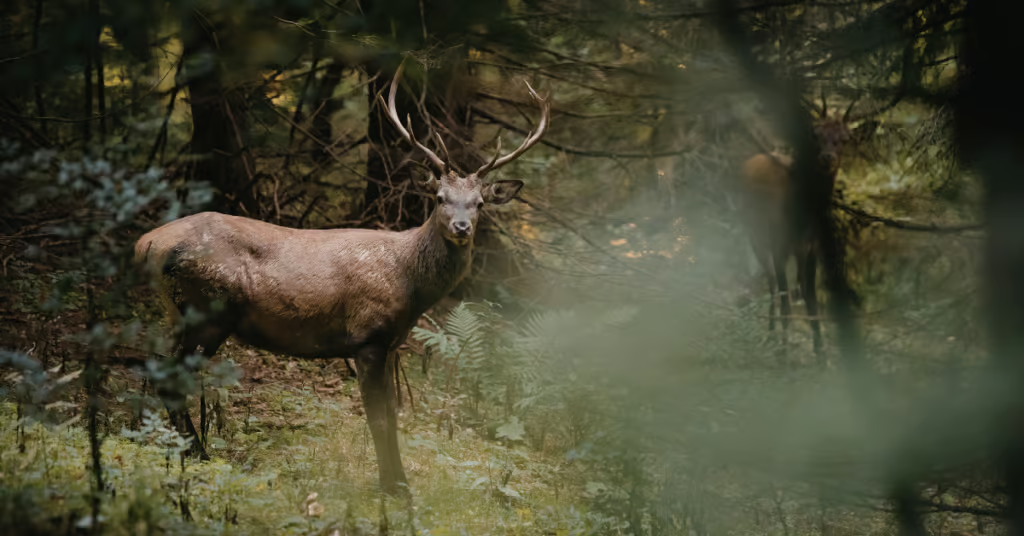
Deer in Oregon, can be as charming as they are troublesome. While they add a touch of wilderness to suburban life, they can also wreak havoc on trees and gardens. Protecting your beloved trees from these graceful yet voracious creatures doesn’t have to be an uphill battle. With the right tree protection from deer , you can keep your greenery safe and preserve your landscape’s beauty. From understanding deer behavior to implementing effective protective measures, this guide will walk you through every step of the way.
Understanding Deer Behavior and Their Impact on Trees
Deer are creatures of habit, often following well-worn paths in search of food. Their feeding patterns often follow a clear routine. This can help you plan protection. It can also make some damage feel unavoidable. In places like Hillsboro, deer numbers rise in late fall. Their numbers also grow in early spring. These times match when food is very scarce. They also match when food is very abundant. During these times, male deer, called bucks, rub their antlers on trees. This habit can damage tree bark and cause lasting wounds to trunks and branches.
Common Deer Habits & Patterns
Deer often travel along predictable routes, particularly when they’re hungry and on the hunt for food. In Hillsboro, the local deer population peaks in late fall and early spring, prompting increased activity around gardens and landscapes. Bucks often rub their antlers on tree trunks to shed velvet. This habit can cause serious damage to the bark. This behavior isn’t random; deer prefer certain tree species, which influences their movement patterns and feeding habits.
For instance, a hungry deer tends to gravitate toward softer, more palatable species that provide easy sustenance. Male deer rub their antlers on trunks to shed velvet. This behavior also helps them mark their territory. This behavior can leave trees vulnerable. Repeated rubbing strips off the protective bark. The exposed wood makes it easier for pests and diseases to attack. Knowing these behaviors helps you plan stronger protection for your trees. It also keeps young seedlings safe as they start to grow.
How Deer Damage Affects Tree Health
Repeated rubbing from deer can lead to substantial loss of bark and cambium, the layer responsible for transporting nutrients. This damage can stunt tree growth and reduce foliage, as the tree struggles to recover. Young trees are particularly vulnerable, as their bark is not yet thick enough to withstand such aggressive behavior. Over time, this can compromise the tree’s health, making it more susceptible to disease.
Deer browsing—the act of eating leaves, twigs, and buds—can further stunt tree growth. Trees with severe damage may face not only retarded growth but also increased vulnerability to pests and disease. In some cases, deer activity can expose tree roots. This weakens the tree and makes it less stable. It can also put both the tree and nearby property at risk. Seeing these effects early helps you act quickly. Take steps to protect your trees from deer damage before it becomes severe.
Identifying Deer Damage in Your Garden
Spotting deer damage early can save your trees from further harm. When you know what to look for, it’s easier to take swift action and protect your landscape.
Signs of Deer Presence
Deer activity is often betrayed by broken branches and stripped foliage. If you see damage three to four feet high, it is a strong sign of deer activity. At that height, bucks likely rubbed their antlers on your trees. Additionally, hoof prints and droppings are common signs of deer presence. Nearby plants with jagged edges may also be a result of deer browsing.
When deer move through an area, they leave clear signs behind. You may see broken branches and stripped leaves. Bark damage at deer‑chest height also points to rubbing activity. These signs are often accompanied by hoof prints and droppings, which serve as additional evidence of deer activity. If you notice plants with jagged edges, it’s likely that they’ve been browsed by deer. Knowing these signs helps you act fast to protect your garden. Focus tree protection in areas where deer cause the most damage.
Differentiating Deer Damage from Other Animal Damage
While deer damage is distinct, it’s important to differentiate it from damage caused by other animals. Deer typically leave clean-cut edges on browsed plants, whereas rabbits and smaller animals leave damage closer to the ground. Unlike rodents, deer damage lacks the characteristic gnaw marks. Instead, deer damage is often higher-reaching, as they can access parts of plants that smaller animals cannot.
In contrast to deer, rabbits and smaller animals tend to leave damage closer to the ground. Rodent damage often features gnaw marks, which are absent in deer damage. When checking tree protection from deer, scan the bark for rubbing marks. Deer often focus their damage on the main trunk. Recognizing these signs helps you plan better protection for your trees. It also guides you on where to place fencing, tree tubes, or other guards.
Physical Barriers: Fencing and Netting Solutions
Physical barriers are one of the most effective ways to protect trees from deer. By creating a physical block, you can prevent deer from accessing your trees and causing damage.
Types of Fencing for Deer Protection
Electric fencing provides a strong deterrent for persistent deer, delivering a mild shock that discourages them from crossing. Welded wire fences offer durability and can be customized in height, making them a versatile option for residential areas. Wooden fences with angled tops can stop deer from jumping over. Polypropylene mesh fences are light and easy to set up.
When choosing fencing for a home, pick a style that fits your landscape. Make sure it also protects your trees from deer. Electric fencing, while highly effective, may not be suitable for all settings. Welded wire fences, on the other hand, offer a balance of durability and customization. If you prefer a traditional look, choose wooden fences with angled tops. They help keep deer away. You can also combine them with existing residential fencing around your property.
Netting Techniques to Protect Your Trees
Netting is a flexible solution for protecting young trees during peak deer activity. Tree nets can cover single trees or small groups. They create a barrier that stops deer from reaching the leaves. Secure the netting tightly to prevent deer from pushing through, and opt for UV-resistant netting for long-term use.
Plastic netting can serve as effective tree protectors, offering a lightweight and easy-to-install solution for safeguarding young trees. By covering trees with tree guards and securing them tightly, you can prevent deer from causing damage. For long-term protection, use UV-resistant netting. It can handle weather and last for years. Secure the edges with sturdy tent stakes. This stops deer from pushing underneath the netting.
Using Tree Guards & Stakes for Added Protection
Tree guards and stakes are invaluable tools in the fight against deer damage. These protective steps help young trees grow strong and healthy. They also reduce damage from deer browsing and rubbing.
How to Install Tree Guards Effectively
Place tree guards snugly around the tree base. This creates a barrier that keeps deer away from the trunk. Spiral guards offer easy installation and flexibility, making them a popular choice for protecting young trees. Ensure the guards extend above the typical browsing height for maximum effectiveness. Regularly inspect guards for signs of damage or displacement, and make adjustments as needed.
Tree guards are an essential component of tree protection from deer. By wrapping the tree trunk with a protective barrier, you can prevent deer from causing damage. Spiral guards, with their easy installation and flexibility, offer a practical solution for young trees. Inspect these guards often to keep them effective. This helps protect your trees from damage. Use a ventilated tree tube to shield bark while allowing healthy growth.
Choosing the Right Stakes for Tree Stability
Stakes provide crucial support for young trees, particularly in areas with high deer activity. Select stakes made from treated wood or metal for durability, and anchor them deeply to withstand deer pressure. Space the stakes evenly around the tree to provide balanced support. Consider adjustable stakes that can accommodate growing trees, ensuring long-term stability and protection.
Stakes are an integral part of maintaining tree stability, especially in regions with frequent deer activity. By choosing durable materials like treated wood or metal, you can create a sturdy support system for young trees. Properly spacing the stakes and anchoring them deeply will help your trees withstand deer pressure and grow strong. Attach guards or netting to the stakes with reusable zip ties. This keeps them secure during wind and bad weather.
Natural and Commercial Deer Repellents: What Works Best? Reviews
Deer repellents offer an alternative to physical barriers, using scent and taste deterrents to keep deer at bay. Both homemade and commercial options can be effective, depending on your needs and preferences.
Homemade Deer Repellent Recipes
Homemade solutions can be an affordable and natural way to deter deer. Garlic and chili powder mixtures create effective sensory barriers, while soap shavings can deter deer with their strong scent. Egg sprays offer a cost-effective solution, and essential oils like peppermint can keep deer at a distance.
Creating a homemade deer repellent can be a fun and rewarding way to protect your trees. By combining common household ingredients like garlic, chili powder, and soap, you can create a natural solution that deters deer. Essential oils, such as peppermint, can add an extra layer of protection, keeping deer at bay with their strong scent.
Popular Commercial Repellents and Their Effectiveness
Commercial deer repellents are designed to provide reliable protection against deer. Look for products with active ingredients like putrescent egg solids, which combine scent and taste deterrents for maximum effectiveness. Granular repellents can protect large areas with minimal effort, while regular application increases the effectiveness of commercial products.
When choosing a commercial deer repellent, it’s important to consider the active ingredients and their proven effectiveness. Products containing putrescent egg solids offer a powerful deterrent, combining both scent and taste to keep deer away. Granular repellents can protect wide areas in your garden. They offer strong and lasting coverage. Many gardeners read reviews from homeowners nearby. This helps them choose the best brand to buy.
Choosing & Planting Deer-Resistant Trees
Choosing the right trees for your yard is a proactive way to limit deer damage. It also helps keep your landscape healthy and attractive. By combining smart species choices with strategic planting, you can make your property far less appealing to hungry deer.
Native Trees & Their Deer Resistance
Native trees often handle local deer pressure and climate more effectively. This makes them a smart first choice in areas with frequent deer activity. In Hillsboro and much of Oregon, some trees suit local wildlife well. Species like Oregon White Oak evolved with native animals. They are usually less appealing to deer as a food source. Native conifers have dense foliage and resinous, bitter needles. These traits can act as a natural deterrent to deer browsing. By emphasizing natives, you support local ecosystems while reducing the odds that deer will view your yard as a buffet.
Factors to Consider When Selecting Trees
When choosing trees, look for species with thicker, tougher bark that can better withstand antler rubbing and incidental damage. Trees that grow tall quickly can avoid heavy deer damage. Trees that keep most foliage higher also face less browsing. Plants with natural defenses, like thorns, prickly leaves, or strong smells, are often ignored by deer. They prefer easier plants that taste better and are simpler to eat. It’s also worth considering growth rate: fast‑growing trees can recover more quickly from occasional damage, helping your landscape bounce back over time. Mixing these with inherently resistant plants gives you a layered defense that discourages browsing.
Top Deer-Resistant Trees for Your Garden
Several ornamental and landscape trees are known for being less appealing to deer. Ginkgo Biloba offers unique fan-shaped leaves and good resilience, and deer usually pass it by in favor of softer foliage. Eastern Red Cedar offers year-round structure in the landscape. Its strong scent causes many deer to avoid it. This makes it useful as a single highlight tree and as a living screen. Boxwood shrubs make dense, low‑care hedges that deer usually avoid. American Holly has shiny leaves and sharp spines that keep deer away. It also offers bright berries and beauty through winter. Mixing these plants into your design can help reduce deer damage. The effect is stronger when you add other resistant plants. Use aromatic herbs or spiny shrubs to make your garden even safer.
Planting Strategies to Deter Deer
How you arrange your plants can be just as important as which species you choose. Group deer-resistant trees and shrubs along your yard’s edges to form a living barrier. This shield helps protect more vulnerable plants placed inside the yard. Interplant strongly scented or less palatable varieties among deer favorites to confuse feeding patterns and make the overall area less inviting. Dense, layered plantings slow deer movement and limit their paths. This makes it harder for them to reach single trunks or tender new shoots. Over time, a smart mix of structure, scent, and texture can reduce deer visits. It also cuts browsing damage in your garden.
Seasonal Strategies to Protect Trees from Deer
Deer behavior can vary with the seasons, necessitating different strategies for tree protection. Whether it’s winter or summer, there are specific measures you can take to safeguard your trees.
Winter Protection Methods
In winter, deer are more likely to browse on trees due to scarce food sources. Apply burlap wraps to shield trees from harsh winter browsing and use snow fencing as a temporary barrier during peak season. Increase the frequency of repellent application before snowfall, and consider using windbreaks to divert deer from vital areas.
Winter can be a challenging time for protecting trees from deer. With food sources scarce, deer may turn to your garden for sustenance. By using burlap wraps and snow fencing, you can create a physical barrier that deters deer. Regularly applying repellents can also help keep deer at bay during this critical time.
Summer and Spring Deer Management
In spring and summer, monitoring for early signs of deer activity is crucial. Install temporary barriers during summer growth spurts and adjust repellent strategies to account for changing deer habits. Encouraging natural predators can also help manage deer populations naturally, keeping your garden safe.
Spring and summer bring new challenges for managing deer activity. As deer habits change with the seasons, it’s important to adjust your strategies accordingly. Install temporary barriers to protect your trees. Watch for early signs of animal activity. This helps trees during critical growth stages. It also gives young seedlings a better chance to grow strong roots.
Tips from Local Experts on Managing Deer Damage
Local experts have valuable insights into managing deer damage in Hillsboro. Regular garden inspections can help with early detection, while engaging with community programs can provide shared solutions. Consider local wildlife corridors when planning your garden layout, and stay informed about regional deer population trends and behaviors.
Local experts recommend regular garden inspections to catch early signs of deer damage. By staying vigilant, you can take swift action to protect your trees. Engaging with community programs can also provide valuable resources and shared solutions for managing deer in the area. Many homeowners also consult certified arborists for site visits and customized plans when deer damage has already affected tree health.
Incorporating local wildlife corridors into your garden planning can help manage deer activity. By understanding regional deer population trends and behaviors, you can develop more effective strategies for protecting your landscape. Staying informed and connected with local experts is key to successfully managing deer damage in Hillsboro.
Final Thoughts
Protecting your trees from deer doesn’t have to be a losing battle. By understanding deer behavior, identifying damage, and implementing effective protective measures, you can preserve the beauty of your garden. You can choose deer-resistant trees, install physical barriers, or use repellents. Each method helps protect your landscape. These options keep deer away without harming them. Use the right products and guides for best results. Choose nursery stock that resist deer. This helps you maintain a healthy and resilient yard. When you’re ready to start, make a simple checklist. Load your tools and supplies in a garden cart. Work on your property one section at a time.