
How To Prepare Your Trees For Spring in the Pacific Northwest
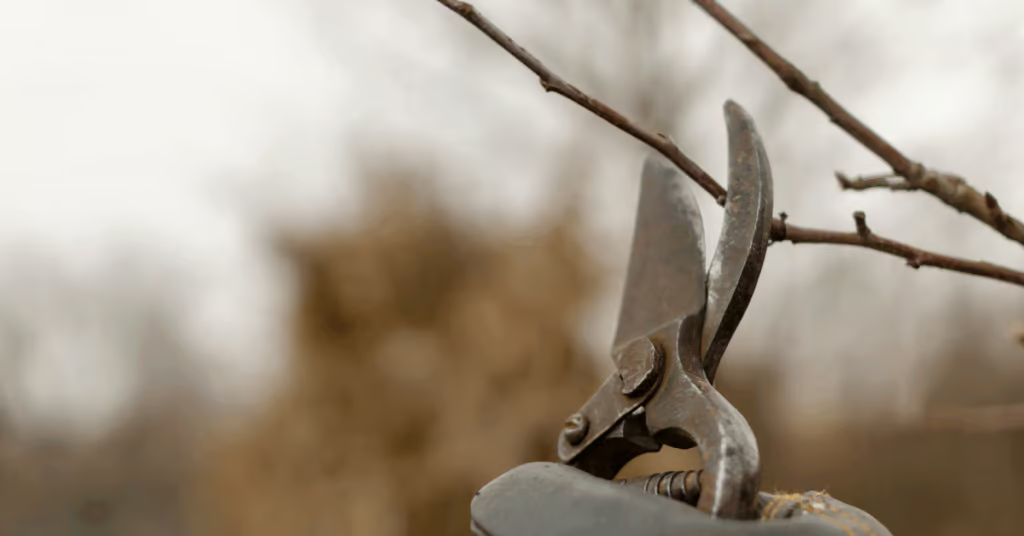
After the Pacific Northwest’s wet winters, your trees and shrubs are ready to emerge. They’re leaving dormancy, but they need your help to transition into the growing season. To prepare your tree for spring, start with a simple plan now. Spring preparation sets the foundation for vigorous growth and abundant blooms. It also supports resilient plants that can handle the region’s unique climate challenges. From managing winter storm damage to setting watering routines for Oregon’s dry summers, act now. You’ll be rewarded with a healthier, more vibrant landscape throughout the year.
Spring Tree Care Tips for The Pacific Northwest
Spring tree care in the PNW helps trees recover after the wet season and prep for dry months. With the right foundation in March and April, trees gain strength for the months ahead. They can produce flowers, develop new branches, and resist fungal diseases in humid weather. They also build resilience needed for summer drought conditions. These early-season tasks are an investment that pays dividends all year long. Springtime tree care pays off all year.
Unwrap Your Trees & Shrubs
If you protected young or vulnerable trees with burlap or tree wrap over winter, removal time arrives as spring unfolds. While these wraps prevent frost cracks and animal damage during cold months, they become problematic once temperatures consistently rise. In Portland and the Willamette Valley, this typically happens in late March or early April. Leaving wrap on too long can trap moisture against the bark. In our humid climate, that creates the perfect environment for bacteria, fungi, and decay.
Remove tree wraps once nighttime temperatures consistently stay above freezing and when you notice early spring bulbs like crocuses emerging. The exact timing varies throughout Oregon, with higher elevations and eastern regions requiring wrap protection longer than the valley floors. Store your wraps properly for next season, and use fresh material each year for best disease prevention.
Clean Up Winter Debris After a Storm: When to Consider Tree Removal
Oregon’s wet winters and ice storms often leave debris scattered across your landscape. This cleanup is critical for disease prevention. In our wet conditions, debris becomes a breeding ground for fungus, bacteria, and pests. These threats can attack trees and shrubs once warmer weather arrives.
Walk around your property and clear branches, leaves, twigs, and debris from tree bases and beds. This step is especially important for homeowners who want to prevent pests and keep the yard safe. Focus on Douglas fir, cedar, and hemlock needles that build up in dense mats. These mats can hold moisture and prevent air circulation. Oregon’s winter storms often break weak branches that hang precariously. Identify and carefully remove them before they fall and cause damage.
Oregon Dept. of Forestry says improper post-storm cleanup can damage more trees than storms. Avoid the temptation to “top” damaged trees or make flush cuts. If you encounter significant storm damage, consult a professional arborist rather than attempting aggressive pruning that can harm trees long-term.
Dispose of diseased plant material in yard waste bins rather than composting it. This prevents spreading pathogens when you use compost later in your garden.
Flush Away Salts: Early-Season Care for Salt-Stressed Trees
Road salt is less common in western Oregon, but it’s used on highways and bridges. It’s also used in communities east of the Cascades during winter storms. Trees near treated roads or driveways may be showing salt damage. Salt can build up in soil and cause “physiological drought”. Trees can die of thirst even when soil looks moist. High salt levels block water uptake through osmosis.
Early spring leaves with brown, burnt-looking tips or margins can indicate salt damage. The fix is thorough irrigation before active growth begins. After the ground dries enough to prevent runoff, apply deep watering to the root zone. This is often late March or April in western Oregon. Water slowly for several hours with a soaker hose so it penetrates deeply and leaches salt down through the soil.
Deep watering areas exposed to de-icing chemicals helps wash away remnants before the growing season begins. Apply about six inches of water total, which is roughly three times your normal watering amount.
Get Ready to Water Your Trees: The Best Time to Start in the PNW
One of the most critical aspects of Pacific Northwest tree care is preparing for summer drought. While our winters provide abundant rainfall, precipitation typically drops dramatically from mid-July through September, creating challenging conditions for trees. This is when newly planted trees are most vulnerable and when supplemental watering becomes essential.
Test and prepare your irrigation system in spring so it’s ready when trees need it most. Run a complete check of automated systems, looking for broken lines, clogged emitters, and proper coverage. Fix any issues before heat stress becomes a concern in June and July. For long-term tree care, consistency matters.
New trees (first 3 years) may need water 2–3 times weekly in hot, dry, windy weather. Most Pacific Northwest rain falls in winter and early spring, not when young trees grow most. So you may need to supplement watering during peak growth. During normal summer conditions, provide 15 gallons of water at least twice weekly. During heat waves or extended dry periods, double this routine to every three to four days.
Established trees need less frequent but deeper watering, often once a week in dry summers. Aim for a total of one to two inches of water. Water early in the morning, between 5 and 8 AM, to cut evaporation. This also gives trees time to absorb moisture before afternoon heat. Avoid evening watering in our humid climate, which can promote fungal problems, especially on mature trees.
Use soaker hoses around the tree’s drip line, where water naturally drips off the canopy. Avoid watering at the trunk base. Run the hose for at least one hour so water seeps deeply into the root zone. For young trees, rotate watering spots around the root zone to encourage outward root growth.
Refresh Through Pruning: Simple Tips for Healthier Growth
Late winter and early spring offer the ideal window for most pruning tasks in Oregon. Specific timing depends on tree species and your location within the state. In the maritime Northwest climate, most pruning is best done in summer and winter. Keep spring pruning minimal, when sap is most active.
Early spring pruning in western Oregon is usually late February through early April. It works well for cutting back perennials, ornamental grasses, and vigorous shrubs. Focus on shrubs that don’t bloom in spring. Keep mid-spring pruning minimal, as plants leaf out and pruning can disrupt new growth.
For deciduous trees, prune living branches in late winter before leaves form. March is generally a good month for hedge pruning throughout Oregon. If needed, a second lighter maintenance pruning can occur in fall at the end of the growing season.
Start by inspecting trees for winter damage. Look for broken or hanging branches, splits in trunks or major limbs, decay or cavities, and storm damage. For small branches you can reach from the ground, prune back cleanly to a larger branch. Make cuts just outside the branch collar to support proper healing. Never make flush cuts, since they keep trees from sealing wounds properly.
Quick tips for [tree pruning]: use sharp tools and keep spring cuts light. Consider a tree risk assessment if you see cracks, deadwood, or leaning.
Proper pruning boosts flower and fruit production. It improves tree structure and aesthetics. It enhances overall health and vigor. It lowers the risk of branches breaking under snow or ice in future winters.
However, timing varies by species. Spring-flowering shrubs like rhododendrons, azaleas, and flowering cherries should be pruned immediately after blooming, not before. Douglas fir and other evergreens can be lightly pruned year-round, though structural cuts are best in late winter. Maples should be pruned in mid-summer to reduce sap bleeding. Oaks require special care, so prune only in mid-winter to help avoid oak wilt disease. This disease is a serious threat to Oregon’s native white oaks.
For large branches, high limbs, or significant structural damage, contact a professional Portland-area arborist. These situations require specialized equipment and expertise that ensure both safety and proper tree health.
Know When to Fertilize this Season
Not all trees need fertilization in the Pacific Northwest. Trees in forest soils or fertilized lawns often get enough nutrients. Before applying fertilizer, look for specific signs of nutrient deficiencies.
Warning signs include reduced shoot growth and smaller-than-normal leaves. You may also see less twig and branch development. Other signs include leaf discoloration or increased leaf drop. Recently transplanted trees may need support as roots establish. For established trees, less than two inches of shoot growth in one year may mean fertilizer could help.
If your trees show these symptoms, spring is an excellent time to fertilize. In Portland and western Oregon, spring fertilizing is usually done in March or April. Early to mid-spring—approximately two weeks before trees bloom or begin growing new leaves—is the optimal window.
Urban and suburban Oregon trees need fertilization more than their forest counterparts because natural nutrient cycling processes are disrupted. Leaves and debris are cleaned up rather than being reincorporated into soil. Soil compaction is common in developed areas, causing nutrients to wash away as runoff. Pollutants can strip nutrients from soil or disrupt absorption.
Use slow-release fertilizers that provide steady nutrients over an extended period. This reduces the risk of over-fertilization and nutrient runoff, which matters in Oregon. Fertilizer washing into streams can harm salmon habitat and water quality. Deep root fertilization, delivered into the root zone, offers the best results. It also helps minimize environmental impact.
Avoid fertilizing from July through September, as it can trigger late growth that won’t harden off before winter. If a soil test shows adequate nutrients, skip fertilizer no matter the season.
Remove Weeds and Re-Mulch: A Practical Guide for Homeowners
Early spring in Oregon offers perfect conditions for weeding. Soil is moist from winter rains, weed roots stay shallow, and cool temps keep work comfortable. Get ahead of weeds now before they grow deep roots and compete with trees for water during summer drought.
Remove weeds fully by the roots to prevent regrowth. Once the area is clear, assess your existing mulch. If mulch is compacted, breaking down, or showing fungal growth, loosen or remove it first.
Add Compost and Mulch to Your Soil
After weeding, enrich and protect your soil with compost and mulch. Compost adds organic matter that feeds beneficial soil microbes. It improves soil structure and boosts water retention for our dry summers. It also releases nutrients slowly throughout the growing season.
Apply compost around the root zone in early spring as soil microbes activate in warmer temps. Work it into the top six to twelve inches of soil if possible. This boosts microbial growth and improves drainage in heavy clay soils in the Willamette Valley. It also increases water retention in sandier soils found in other parts of Oregon.
After adding compost, top with a fresh layer of mulch. In the Pacific Northwest, cedar mulch works well because it’s long-lasting and rot-resistant. Unlike traditional bark mulches, cedar doesn’t break down or compact as quickly over time—beneficial in our wet climate. Other good options include fir bark mulch and hemlock bark, both locally available and well-suited to our conditions.
Apply mulch two to four inches deep in a ring at least two to three feet from the trunk. Ideally, extend the ring all the way to the drip line. This protects the feeding root zone and locks in summer moisture. It also suppresses weeds, regulates soil temperature, and adds organic matter over time.
The most important rule: keep mulch pulled back from the trunk itself, leaving a clear gap of six to twelve inches. This prevents “mulch volcanoes” that trap moisture against bark and lead to rot—a serious concern in our humid climate. The root flare where the trunk widens at the base should always remain visible and exposed to air.
Using both compost and mulch together provides comprehensive benefits. Compost feeds soil biology and provides nutrients, while mulch protects the surface, regulates temperature, and conserves moisture during summer drought. Together, they create optimal conditions for healthy root development.
Refresh your mulch each spring to maintain proper depth. Every two to three years, rake away compacted mulch before adding fresh material. This helps prevent excessive buildup.
Get Help From Local Professionals
Spring tree care in Oregon involves multiple specialized tasks, from understanding region-specific pruning timing for species like maples and oaks to diagnosing fungal diseases common in our wet climate. If you’re uncertain about any aspect of tree care, or if your trees show signs of significant winter storm damage or disease, consulting with a certified arborist is a wise investment.
Professional Oregon arborists understand the unique challenges Pacific Northwest trees face—from managing moisture-loving fungal pathogens to preparing trees for summer drought stress. They have the training, experience, and equipment to safely handle large pruning jobs, assess structural damage from ice storms, diagnose complex health issues affecting Douglas fir, western red cedar, and native oaks, recommend appropriate treatments for your specific soil type and tree species, and develop customized care programs that address both wet-season disease prevention and dry-season drought protection.
Many Portland-area expert tree care companies offer consultations and soil testing services to take the guesswork out of fertilization. They can spot potential problems early—before they become expensive emergencies—and help you develop proactive maintenance schedules tailored to Oregon’s distinct seasonal patterns.
Whether you have concerns about winter damage, need guidance on preparing trees for summer drought, or want comprehensive care that keeps your landscape thriving through our wet winters and dry summers, local tree care professionals have the expertise to help your trees reach their full potential in the Pacific Northwest climate.