
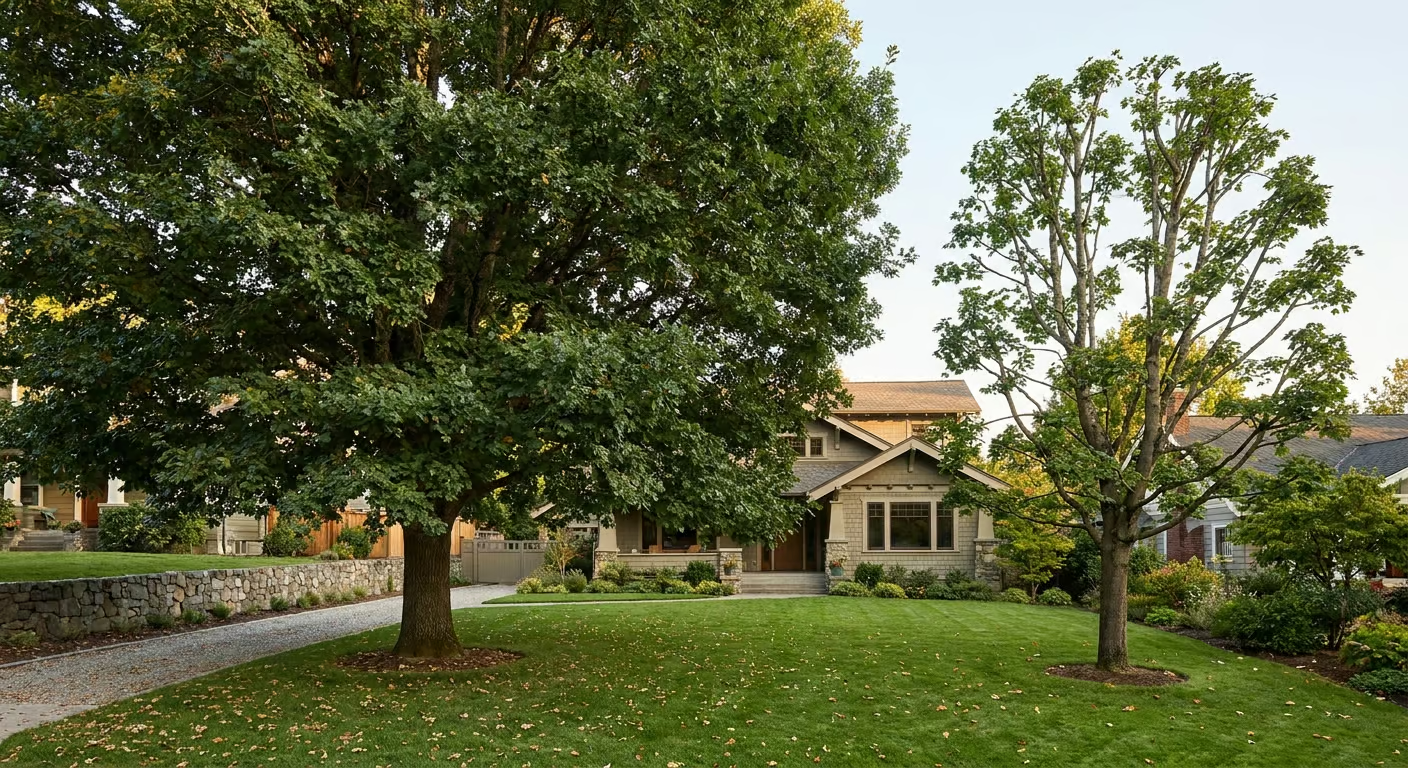
Overgrown trees usually present one of two problems: they are either too dense to let light through, or too large for the space they occupy. Crown Thinning vs. Crown Reduction: Which Pruning Method Does Your Overgrown Tree Actually Need? The answer comes down to whether you need to open up the interior of the canopy or shorten the outer branches without changing the tree’s natural shape.
Both techniques are selective pruning methods, but they achieve different outcomes. We’ll walk through each method, when each one is appropriate, and what you should know before scheduling any work.
What is Crown Thinning?
Definition and Technique
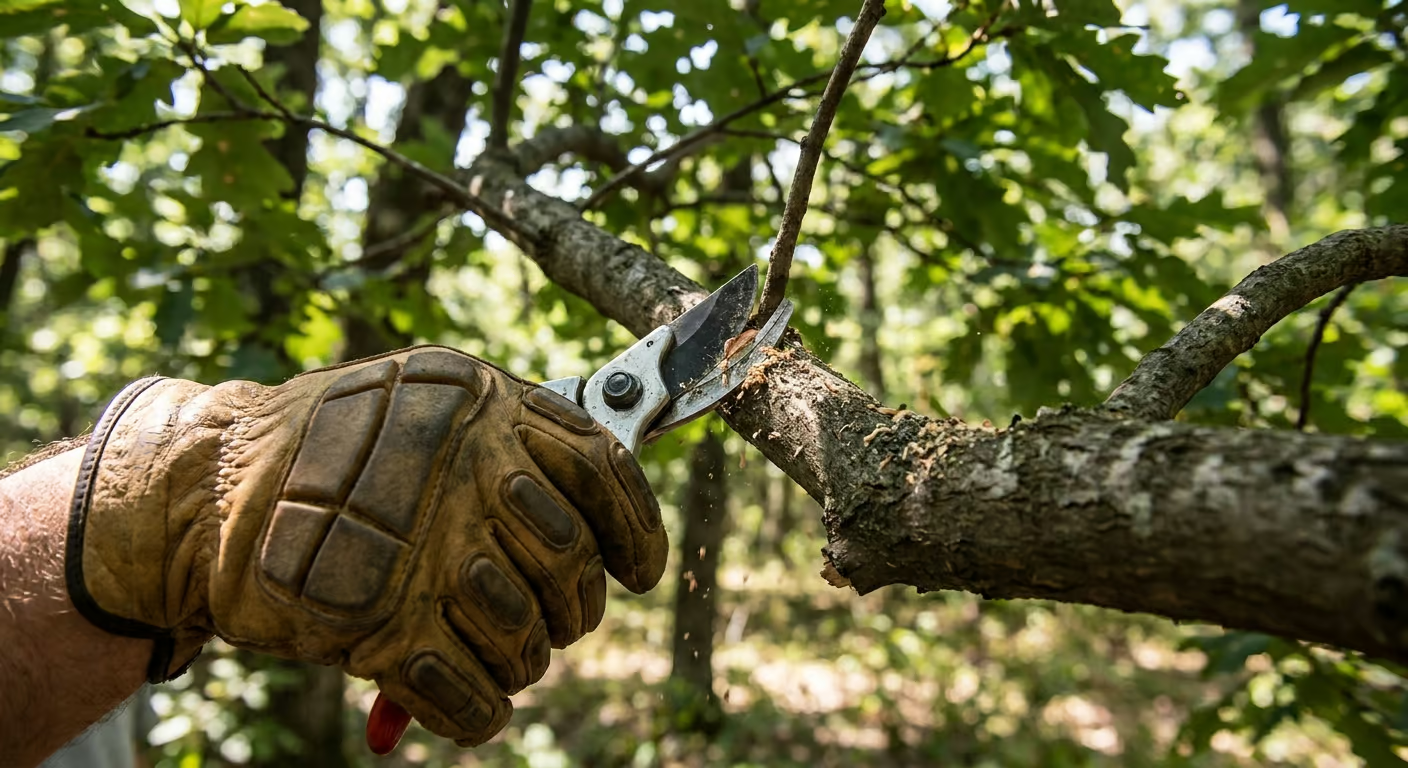
Crown thinning selectively removes smaller, secondary branches from throughout the canopy. The goal is to reduce foliage density while keeping the tree’s overall size and natural shape intact. We make cuts back to lateral branches or the parent limb, never leaving stubs, so the tree can compartmentalize the wounds cleanly.
Benefits of Thinning
- Improves light penetration to the ground and lower branches
- Increases air circulation, which reduces humidity and the risk of fungal issues
- Lowers wind resistance without changing the tree’s height or spread
- Removes weak, crossing, or rubbing branches that could fail later
- Maintains the tree’s natural silhouette and structural character
When Thinning is Appropriate
Thinning works best when a tree is healthy but overly dense. If you notice the lawn or garden beneath the tree struggling to grow, or if the interior branches are crowded and rubbing, thinning can restore balance without drastic cuts. We typically remove no more than 25% of the live crown in one session to avoid stressing the tree.
What is Crown Reduction?
Definition and Technique
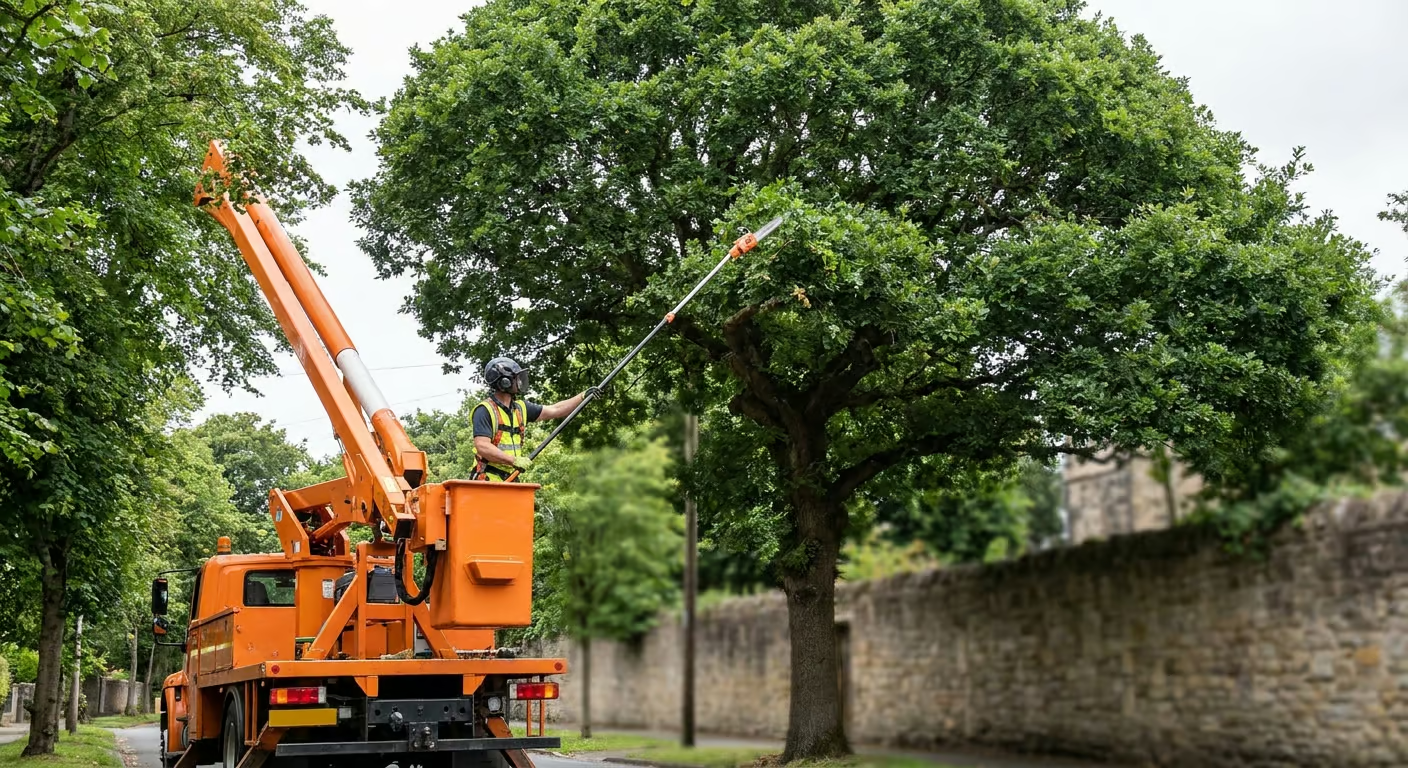
Crown reduction shortens the overall height and spread of a tree by cutting back the outermost branches to a suitable lateral branch that can take over as the new growing tip. Unlike topping, which cuts indiscriminately and leaves stubs, crown reduction preserves the tree’s natural form by making cuts only where a lateral branch is at least one-third the diameter of the cut branch.
Benefits of Reduction
- Reduces the physical size of the canopy to fit a confined space
- Lowers the risk of limb failure by removing weight from heavy outer branches
- Maintains a balanced, natural-looking shape so the tree doesn’t look “chopped”
- Improves clearance from buildings, walkways, and overhead lines
- Can extend the useful life of a tree that has outgrown its location
When Reduction is Appropriate
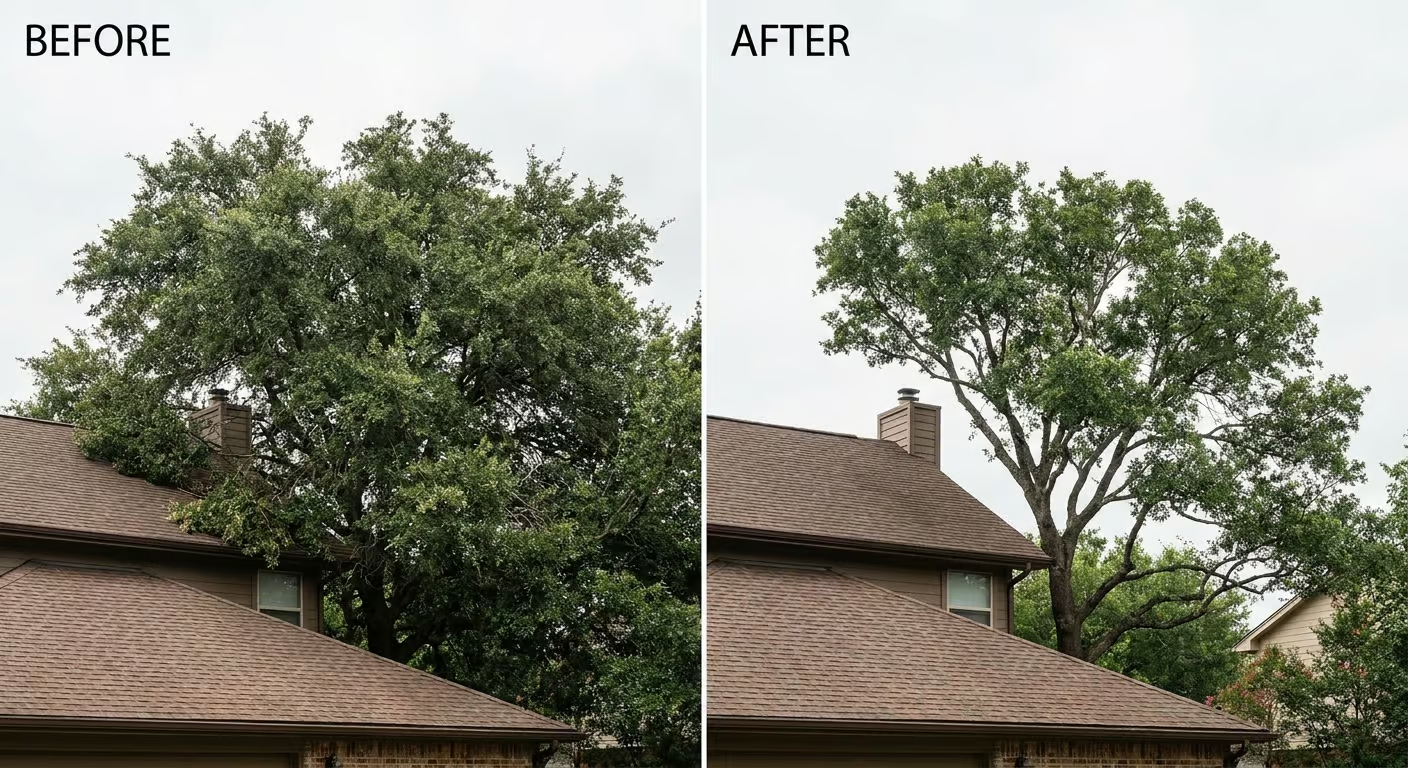
Reduction is the right call when the tree’s size itself is the issue. If branches are touching the roof, crowding a structure, or the tree has become top-heavy, thinning will not solve the problem because the tree will still be too large. Crown reduction intentionally reduces the canopy size, usually no more than 25% of live foliage in one season.
Key Differences Between Crown Thinning and Crown Reduction
Goals and Outcomes
Thinning keeps the tree the same height and spread but makes the canopy less dense. Reduction makes the tree smaller and lighter. If you want more sunlight on your lawn without losing the tree, thinning is usually enough. If you need more clearance or the tree is threatening a structure, reduction is needed.
Pruning Cuts and Techniques
In thinning, we remove small interior branches throughout the crown. In reduction, we cut larger outer branches back to lateral growth points. Reduction cuts are more substantial, so tree species and branch attachment strength matter more. Both methods require clean cuts that avoid tearing the bark.
Impact on Tree Structure and Health
Thinning primarily reduces wind load and improves internal airflow. Reduction changes the tree’s leverage and weight distribution, which can reduce the risk of uprooting or branch failure in storms. However, too much reduction triggers vigorous, weakly attached regrowth, so we limit the amount removed.
When to Choose Crown Thinning
Signs of an Overly Dense Canopy
You might see that almost no light reaches the ground under the tree, or the interior is a tangle of small branches. Leaves stay damp for long periods after rain, and you may notice mildew or fungal spots. These are signs that air cannot move through the crown.
Need for Increased Light and Airflow
If your goal is to brighten a shaded garden or reduce humidity around the tree, thinning is the more conservative approach. It selectively opens “windows” in the canopy rather than shortening the entire crown.
Reducing Weight Without Reducing Size
A tree can carry too much weight because of excessive small branches, not just large limbs. Thinning removes many of these smaller branches, lowering the load on scaffold limbs while keeping the tree’s overall dimensions intact.
When to Choose Crown Reduction
Tree Has Outgrown Its Space
If the tree was planted too close to a house or has simply grown beyond the scale of the yard, reduction can bring it back to a manageable size without removing the tree entirely. We can reduce the crown to fit the available space while preserving its health.
Safety Hazards and Clearance Issues
Branches overhanging a roof, rubbing against siding, or approaching utility lines are clear reasons to consider reduction. Reducing the branch length creates the necessary clearance and lessens the chance of storm damage.
Managing Height and Spread
Some trees become top-heavy or lopsided after storm damage or poor past pruning. Reduction can restore balance by shortening overextended limbs on one side, reducing the risk of structural failure.
Tree Species Considerations
Species That Respond Well to Thinning
Many broadleaf species with naturally dense canopies respond well to thinning. Oaks, maples, and beeches often benefit from periodic thinning because they can develop heavy interior growth. The key is to spread cuts evenly and avoid over-thinning any one section.
Species That Tolerate Reduction
Species such as oak, beech, sycamore, maple, lime, and birch generally tolerate crown reduction when cuts are made to appropriate lateral branches. Trees with weak wood or poor compartmentalization may need more conservative reductions or alternative support, so species identification matters before any major cut.
Consulting a Certified Arborist for Species-Specific Advice
Having serviced more than 6,000 trees, we’ve seen how species-specific pruning decisions directly affect long-term tree health. Before we recommend thinning or reduction, we evaluate the tree’s species, age, condition, and growth pattern to choose the method that fits.
Seasonal Timing for Pruning
Best Time for Thinning
For most trees, the ideal time for crown thinning is late winter to early spring while the tree is still dormant. Wounds close more efficiently, and there is less risk of attracting insects or disease. Light corrective thinning can be done in summer to remove dead or damaged branches, but avoid heavy thinning during drought or extreme heat.
Best Time for Reduction
Crown reduction is also best performed in the dormant season, typically late winter before new growth begins. This allows the tree to direct energy into closing wounds and then developing new shoots at the cut points. Avoid major reduction in late summer or fall, as fresh cuts may not seal before cold, wet weather.
Dormant Season vs. Growing Season Considerations
Dormant pruning gives the tree the longest recovery window before the next growing season. Summer pruning can be used for minor corrections, but any large reduction should wait until dormancy. We schedule most structural pruning in late winter unless there is an immediate safety concern.
Aftercare and Long-Term Maintenance
Post-Pruning Care for Thinned Trees
After thinning, keep the tree well-watered during dry periods, especially in the first season. Apply a thin layer of mulch around the root zone to conserve moisture, but keep mulch away from the trunk. Monitor the canopy for any signs of stress, such as leaf scorch or excessive dieback.
Post-Pruning Care for Reduced Trees
Reduced trees benefit from similar care, but they may produce watersprouts or rapid regrowth at the cut sites. These shoots are weakly attached and should be thinned out in subsequent years. Do not fertilize heavily immediately after reduction, as this can encourage too much soft growth.
Monitoring and Future Pruning Needs
We recommend inspecting pruned trees at least once a year, especially after storms. Thinning typically needs to be repeated every three to five years, while reduction may be needed less often. Consistent monitoring lets us catch small issues before they become structural problems.
Risks of Improper Pruning
Over-Thinning and Tree Stress
Removing too many interior branches in one session robs the tree of its energy-producing foliage. Over-thinned trees may show dieback, sunscald on previously shaded bark, and a surge of weak regrowth. The rule of thumb is to remove no more than 25% of the live crown per pruning event.
Excessive Reduction and Weak Regrowth
Cutting back too much of the outer canopy forces the tree to produce fast-growing shoots that are poorly attached. These shoots are prone to breaking in wind and can create a cycle of aggressive pruning. A proper crown reduction is measured and preserves enough leaf area to keep the tree healthy.
Importance of Professional Expertise
Crown thinning and crown reduction require an understanding of tree biology, branch collar anatomy, and species response. Poor cuts can introduce decay and shorten a tree’s life. While some light pruning can be done by a careful homeowner, structural crown work is best left to professionals with training and proper equipment.
Frequently Asked Questions
Can crown thinning and crown reduction be performed on the same tree? Yes, depending on the tree’s condition. A tree may need thinning for density and a modest reduction on one side for clearance. We assess each limb before combining methods.
Will crown thinning change the shape of my tree? When done correctly, thinning preserves the tree’s natural shape and size. It only removes selected interior branches, so the outer silhouette remains essentially the same.
How much of the canopy can be removed in crown reduction? We limit crown reduction to no more than 25% of the live canopy in a single session. Removing more causes excessive stress and weak regrowth.
How often should crown thinning or reduction be repeated? Thinning is typically needed every 3 to 5 years for dense trees. Crown reduction may be needed less frequently, but the interval depends on species and growth rate.
Is crown reduction the same as topping? No. Topping cuts branches indiscriminately and leaves stubs, which invites decay. Crown reduction makes cuts back to lateral branches, maintaining the tree’s natural form and health.
Can I do crown thinning or reduction myself? While minor pruning is possible for reachable branches, crown thinning and reduction on mature trees require climbing or aerial equipment, precise cuts, and species knowledge. The risks of injury and tree damage make professional care the safer choice.
If you’re still unsure whether your overgrown tree needs thinning or reduction, contact us for a professional assessment. We’ll evaluate the canopy, species, and site conditions, then recommend the least invasive pruning method that meets your goals.
Many homeowners confuse reduction with topping; learn why topping creates long‑term problems and which safer options actually preserve structure.
Areas We Serve
To see how we handle this work where you live, pick your local area below. Each hub explains the services we offer there, typical project notes for regional tree species and seasons, and how we plan safe access around homes and streets.